
Paint Protection Film (PPF) is one of the most effective ways to keep your car looking new, protecting the finish against road debris, UV rays, and scratches. However, when the edges of the film start to peel, it can be frustrating and confusing—especially if the film was recently applied. Why does this happen? And what can you do to fix it before the problem worsens?
At Platinum Plus Detailing, we have encountered every variation of PPF peeling on hundreds of vehicles across Costa Mesa and Orange County. In this guide, we explain the most common causes, offer solutions for minor peeling, and discuss when it’s time to bring your vehicle in for professional help.
Common Causes of PPF Peeling
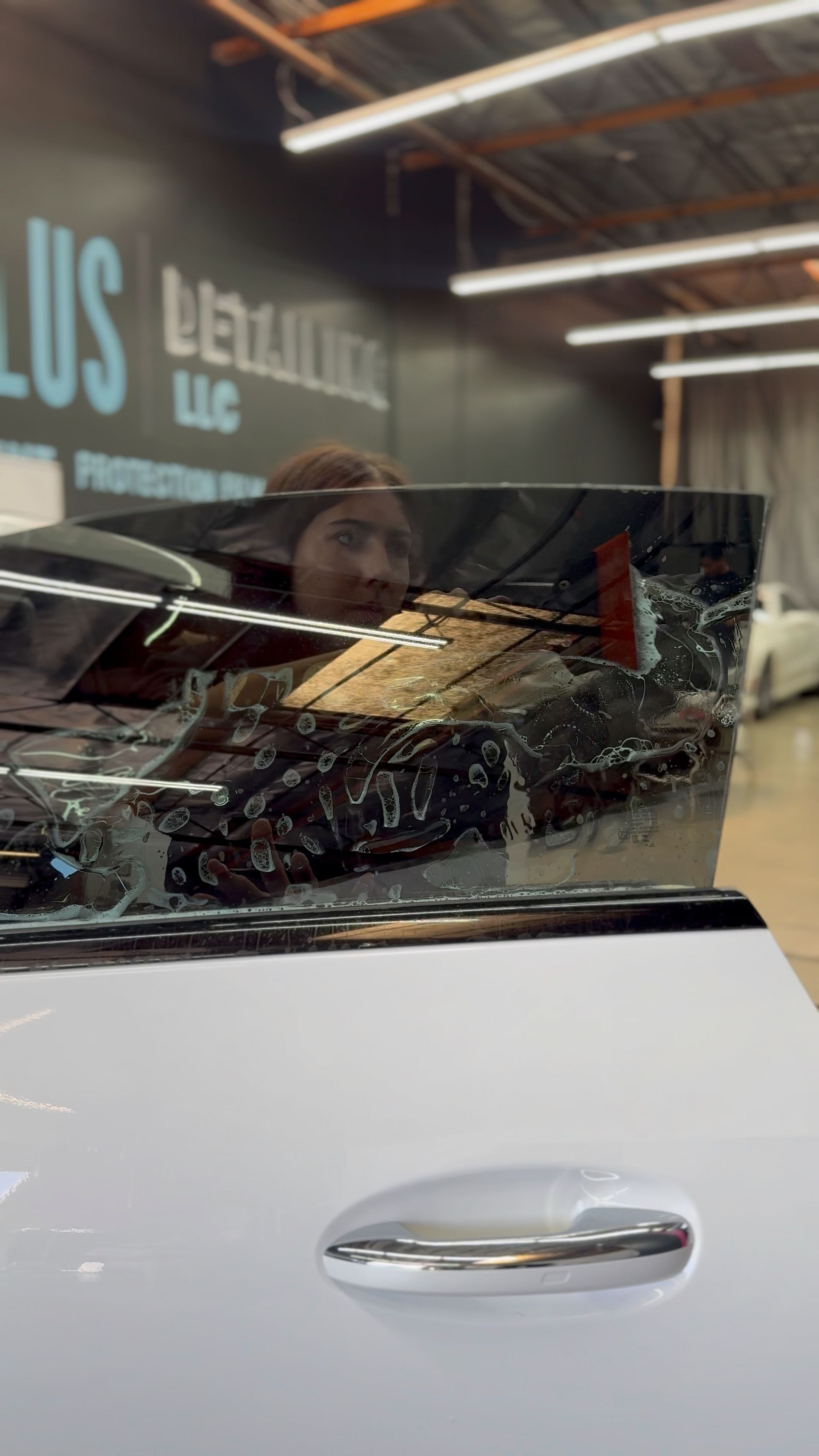
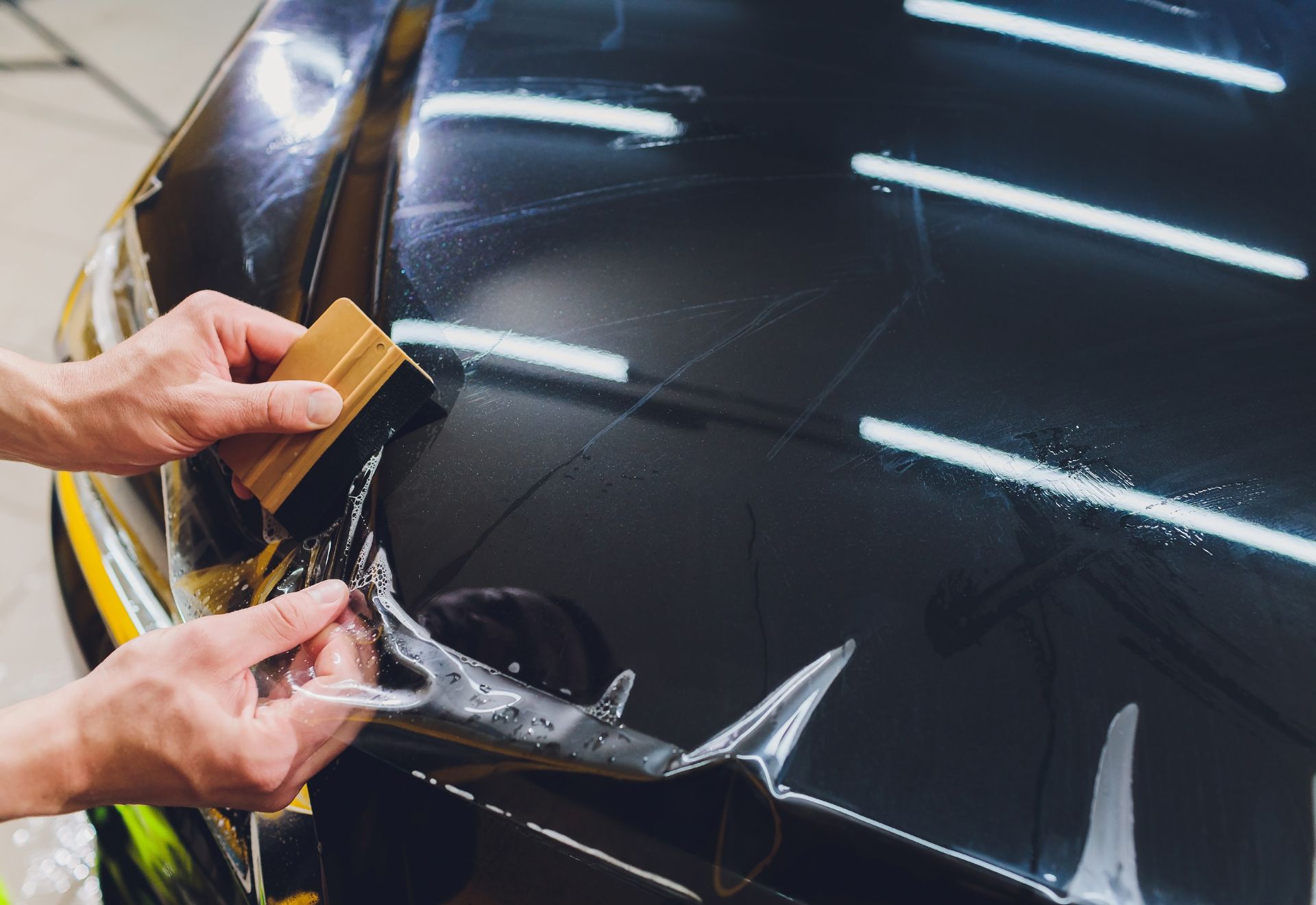
PPF peeling typically occurs due to improper installation. Applying PPF is not as simple as just sticking a sheet of film onto the car; it’s a meticulous process that requires skill, patience, and the right conditions. When installers rush through the job or cut corners, the film may not adhere correctly, leading to peeling at the edges.
At Platinum Plus Detailing, we take extra care during installation. We follow a thorough process that often spans several days, allowing the adhesive to cure properly and ensuring that the edges are fully sealed before we finish the job.
The environment during installation is just as important. Ideal conditions include moderate temperatures and low humidity. Extreme heat can cause the adhesive to soften too soon, while high humidity can trap moisture between the film and the vehicle’s surface, weakening the bond. Even dust, oil, or wax residue on the vehicle can create a barrier that prevents the film from adhering properly.
Over time, even well-installed PPF can be affected by wear and tear. The edges of the film are the most vulnerable, as road debris, frequent car washes, and exposure to the elements can work their way under the film if the edges weren't sealed properly during installation. Automatic car wash brushes and pressure washing can be particularly damaging to PPF edges, as they catch on the film, loosening it further and allowing dirt to seep underneath.
Consequences of Letting Peeling Go Unaddressed
Ignoring peeling PPF can lead to a variety of problems for both the appearance and value of your vehicle. Even if the paint underneath is pristine, visible peeling or lifting edges suggest neglect and can give the impression that the car has not been properly cared for. This is especially concerning for luxury vehicle owners, as your car is an extension of your standards. A peeling PPF can diminish that image.
Paint Damage Exposure
PPF serves as a protective shield for your car’s finish, guarding against road debris, UV rays, surface scratches, and chemical contaminants. Once the film starts to peel, those exposed areas are vulnerable to chips, micro-abrasions, and UV damage, which leads to fading and oxidation over time. Additionally, dirt and moisture trapped beneath the film can cause further damage to the paint, often making repairs more complicated once the film is removed.
Resale Value
Visible paint damage and peeling PPF are some of the first things prospective buyers notice. Even if the mechanical condition of the car is excellent, peeling PPF raises concerns about the overall care and maintenance of the vehicle, which can lead to lower offers. Protecting your PPF is not just about aesthetics; it’s about preserving the resale value of your vehicle.
DIY Fixes for Minor Peeling
If you notice minor edge lifting on your PPF, there are a few DIY fixes you can try before seeking professional help. These methods work best for small areas of lifting—typically no more than an inch in length.
- Clean the Surface:
Begin by cleaning the surface around the lifted edge. Dirt, oil, and residue will prevent the adhesive from rebonding. Mix distilled water with a small amount of gentle dish soap and use a microfiber cloth to clean the area. - Reactivate the Adhesive:
Most modern PPF adhesives can be reactivated with light moisture. Using a fine mist of the soapy water solution, apply it carefully beneath the lifted section to soften the adhesive. Be cautious not to apply too much moisture, as this can weaken the adhesion permanently. - Press it Back Down:
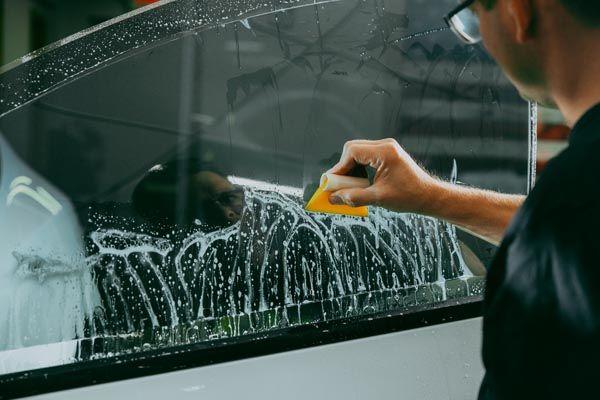
Using a squeegee or a credit card wrapped in a microfiber cloth, apply even pressure along the lifted edge, working from the center outward toward the corners. This technique helps expel trapped air and prevents new bubbles from forming. - Apply Gentle Heat:
Use a hairdryer on a low setting (around 140°F or 60°C) to warm the adhesive. Move the dryer in small circles, stopping when the area feels slightly warm to the touch. Overheating can warp the film or damage matte finishes, so be patient during this step. - Allow Time for Curing:
After pressing the edge back down, allow 24 to 48 hours before washing the vehicle or exposing it to extreme conditions. This gives the adhesive time to set and re-establish the bond.
If the problem persists or the peeling extends beyond a small area, it may indicate a deeper installation issue that requires professional attention.
Professional Repair Options
When DIY fixes are not enough, it’s time to seek professional repair. At Platinum Plus Detailing, we start with a thorough inspection of the affected area. We identify the cause of the peeling, assess the extent of the damage, and determine the best course of action for repair.
Surface preparation is crucial for successful PPF repair. We ensure that the paint is properly cleaned before addressing the damaged film. Any remaining contaminants beneath the new film can compromise adhesion, just like during the original installation.
Using specialized tools, we carefully cut and replace only the damaged areas, restoring both the protection and appearance of your vehicle without needing to replace the entire film.
Many of our PPF repair services come with warranties, so if the issue reoccurs within the covered period, we’ll fix it free of charge.
Preventing Future Peeling
To prevent future peeling, proper installation and care are key. Here are some tips to keep your PPF in top condition:
- Choose a Certified Installer:
The skill of the installer is crucial to the longevity of your PPF. Certified installers understand how to prepare the surface, stretch the film correctly, and seal the edges properly. These factors make a significant difference in the performance of your PPF over time. - Invest in Quality Film:
Not all PPF is created equal. Premium-grade films, such as those certified by Ceramic Pro, provide better elasticity, stronger bonding, and resistance to UV exposure, which are essential in the demanding Southern California climate. - Proper Surface Preparation:
The vehicle surface must be perfectly clean and free of contaminants before applying PPF. Dust, wax, or oils can all weaken the adhesive bond. We use isopropyl alcohol and specialized cleaners to ensure every inch of the surface is ready for the film. - Avoid Overstretching During Installation:
Overstretching the film during application can cause uneven adhesive distribution, leading to premature peeling. At Platinum Plus Detailing, we use controlled heat and tension to apply the film evenly, ensuring a long-lasting bond.
Maintenance Tips for Long-Term Protection
To extend the life of your PPF, it’s essential to care for it properly. Here are some maintenance tips:
- Wash Gently:
Use a pH-neutral soap and microfiber mitts or cloths. Rinse the car first to remove loose debris and apply soap using straight-line motions to minimize swirl marks. Dry the vehicle with a clean microfiber towel or air blower to prevent water spots. - Avoid Harsh Chemicals:
Harsh chemicals can break down the adhesive over time. Stick to pH-neutral car wash products specifically labeled as safe for PPF. Avoid cleaners with solvents, abrasive particles, or strong acids. - Regular Inspections:
Regularly check your PPF for any signs of peeling or damage. Catching minor issues early can prevent them from developing into larger problems. - Consider a Ceramic Coating:
Adding a ceramic coating on top of your PPF can provide an extra layer of protection. It creates a hydrophobic barrier that repels water, dirt, and UV rays, making washing easier and enhancing the PPF’s longevity.
Protect Your Vehicle with Platinum Plus Detailing
Peeling PPF is easier to prevent than to fix, but if you’re facing peeling issues, it’s important to address them promptly. Whether you’re dealing with minor edge lifting or a larger problem, Platinum Plus Detailing in Costa Mesa is here to help.
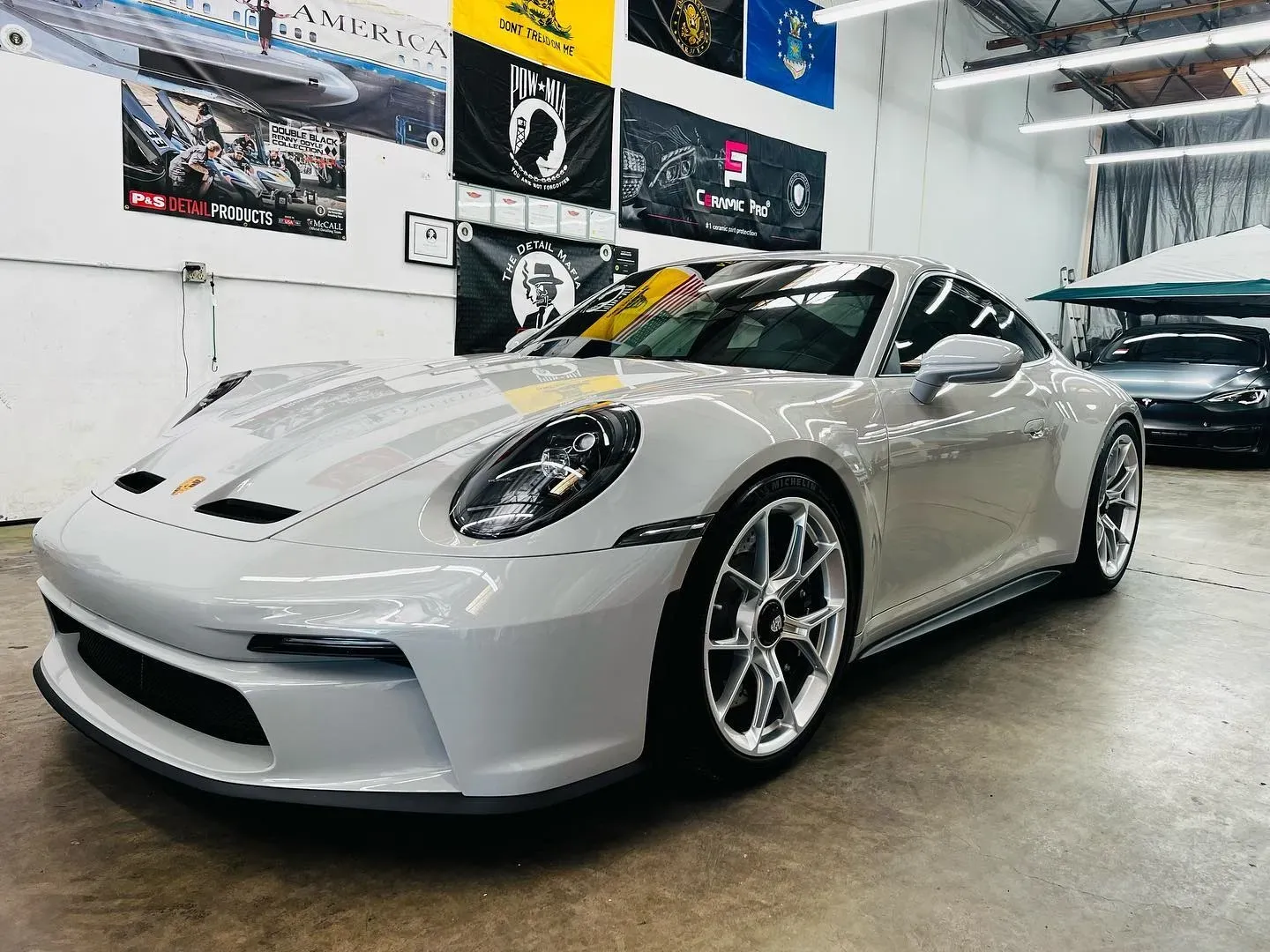
With over 20 years of experience and as a Ceramic Pro Elite-certified facility, we use high-quality products and expert installation techniques designed to withstand the harsh conditions of Southern California. Every installation we complete is backed by our commitment to quality and long-lasting results.
We serve Costa Mesa, Fountain Valley, Huntington Beach, Irvine, Laguna Beach, and surrounding communities. Our convenient pickup and drop-off service is available for customers within an 8-mile radius, so you can protect your investment on your schedule.
Ready to get started?
Contact us or call at
(714) 614-1691 to request your free quote today.