Why Some PPFs Yellow Faster: UV Inhibitor Degradation Explained
Causes, Prevention Tips, and How to Choose the Right PPF in Costa Mesa, CA
Paint Protection Film, commonly known as PPF, is one of the best ways to preserve your vehicle’s paint and protect it from rock chips, road debris, and environmental damage. However, not all PPFs age the same way. One of the most common concerns vehicle owners have is yellowing, especially in sunny climates like Costa Mesa and Orange County.
Some PPFs yellow faster because the UV inhibitors inside the film degrade over time, losing their ability to block harmful ultraviolet radiation. When this protection breaks down, the film’s polymer structure begins to oxidize, resulting in discoloration, reduced clarity, and a shorter lifespan. Understanding why this happens can help you choose the right PPF and take the proper steps to keep your vehicle looking pristine for years.
The Basics of Paint Protection Film
Paint Protection Film is a transparent polyurethane layer designed to shield your vehicle’s painted surfaces from physical and environmental damage. Modern PPFs are engineered to be flexible, impact-resistant, and nearly invisible when properly installed.
High-quality PPF consists of multiple layers. These typically include a durable topcoat that resists scratches and staining, a polyurethane core that absorbs impact, and an adhesive layer that bonds securely to the paint without causing damage during removal. Each layer plays a role in protecting your vehicle from UV exposure, which is one of the primary causes of paint fading and film discoloration.
Premium films are made using aliphatic thermoplastic polyurethane, or TPU, combined with advanced UV inhibitors such as benzotriazoles and hindered amine light stabilizers. These additives absorb and neutralize ultraviolet radiation before it can damage the polymer chains inside the film. Lower-quality films often rely on aromatic TPU, which lacks long-term UV stability and is far more prone to yellowing.
Film thickness also matters. Most high-quality PPFs measure between 6 and 8 mils thick. This range offers an ideal balance between impact protection and optical clarity. Thinner films tend to degrade faster, while overly thick films can compromise appearance and flexibility.
How UV Exposure Affects PPF Longevity
Even the best paint protection films are not immune to constant sun exposure. Ultraviolet radiation gradually breaks down the chemical bonds within the film, especially when the UV inhibitors begin to wear out.
UV inhibitors function like sunscreen within the PPF. They absorb harmful rays and prevent free radicals from attacking the polymer structure. Over time, continuous exposure to sunlight causes these inhibitors to degrade through a process known as photolysis. As their effectiveness declines, free radicals begin to form and attack the polyurethane chains, leading to yellowing, stiffness, and reduced protective performance.
This effect is amplified in regions like Costa Mesa, where high UV indexes and year-round sunshine accelerate the aging process. Parking outdoors, frequent highway driving, and prolonged exposure to midday sun all contribute to faster degradation.
It is important to distinguish between true yellowing and surface staining. True yellowing appears as a uniform discoloration that cannot be removed with cleaning. Surface stains, on the other hand, often appear patchy and may be corrected with professional detailing or clay bar treatments.
Key Causes of Paint Protection Film Yellowing
Yellowing is rarely caused by UV exposure alone. Several contributing factors work together to shorten a film’s lifespan.
One of the most significant factors is material quality. Budget PPFs often use aromatic polyurethane, which oxidizes quickly when exposed to sunlight and oxygen. Premium films use aliphatic polyurethane, which offers far greater chemical stability and resistance to discoloration.
Adhesive oxidation is another hidden issue. The adhesive layer beneath the film can break down over time when exposed to heat and UV radiation. As the adhesive changes chemically, it alters how light passes through the film, creating a yellow or cloudy appearance.
Environmental contaminants also play a role. Road tar, brake dust, bird droppings, tree sap, and industrial fallout can seep into microscopic pores in lower-quality films. Once embedded, these contaminants permanently alter the film’s appearance if not removed promptly.
Improper installation can accelerate all of these issues. Trapped moisture, air bubbles, or debris beneath the film create weak points that lead to premature degradation. Professional installation is critical to long-term performance.
Essential Maintenance Tips to Prevent Yellowing
Proper maintenance significantly extends the clarity and lifespan of your paint protection film.
Cleaning Routine
Wash your vehicle regularly using a pH-neutral car wash soap. Harsh detergents and household cleaners can strip protective coatings and weaken UV inhibitors. Use high-quality microfiber towels with a minimum of 300 GSM to avoid scratching the surface. Under normal driving conditions, a bi-weekly wash schedule helps prevent contaminants from bonding to the film.
Avoiding Harsh Chemicals
Strong solvents such as brake cleaners, degreasers, and aggressive tar removers can damage PPF within minutes of contact. Instead, use products specifically formulated for paint protection film. These cleaners remove contaminants without compromising the film’s topcoat or self-healing properties.
Parking habits also matter. Whenever possible, park in shaded areas or covered garages to reduce UV exposure. Applying a ceramic coating over PPF adds an extra layer of UV and chemical resistance, further slowing degradation.
Regular Inspections
Inspect your PPF monthly for signs of discoloration, edge lifting, or surface damage. Early detection allows for corrective action before yellowing becomes permanent. Surface staining can often be corrected, while true yellowing usually requires film replacement.
Advancements in Modern PPF Technology
Paint protection film technology has advanced significantly in recent years. Modern films are designed not only to protect but also to maintain clarity and appearance for extended periods.
Self-healing technology allows minor scratches and swirl marks to disappear when exposed to heat, such as sunlight or warm water. This keeps the film looking new without constant polishing or replacement.
Hydrophobic topcoats are another major innovation. These coatings repel water, dirt, and grime, reducing contamination buildup and minimizing abrasion during washing. Less friction means less wear on the film’s protective layers.
Perhaps most importantly, newer PPF formulations feature longer-lasting UV inhibitors. These advanced chemical stabilizers are engineered to withstand intense sunlight for many years, dramatically reducing the risk of yellowing in high-UV environments.
Even the most advanced film requires expert installation. Proper tensioning, precise alignment, and thorough surface preparation are essential to prevent stress points and moisture intrusion.
Choosing the Right Paint Protection Film for Your Vehicle
Selecting the right PPF depends on your environment, driving habits, and long-term expectations.
In Costa Mesa and throughout Orange County, intense sun exposure makes UV resistance a top priority. Look for films that use aliphatic TPU combined with proven UV inhibitors such as HALS. These materials maintain clarity and flexibility far longer than budget alternatives.
Warranty coverage is another important factor. A manufacturer warranty that explicitly covers yellowing, cracking, peeling, and bubbling indicates confidence in the product’s durability. Films with vague or limited warranties often rely on inferior materials.
Professional installation is equally important. Even the highest-quality film can fail prematurely if installed incorrectly. Experienced installers ensure proper adhesion, clean edges, and optimal longevity.
Protect Your Vehicle with Professional PPF Installation in Costa Mesa
Choosing the right paint protection film and ensuring expert installation are the best ways to prevent premature yellowing caused by UV inhibitor degradation.
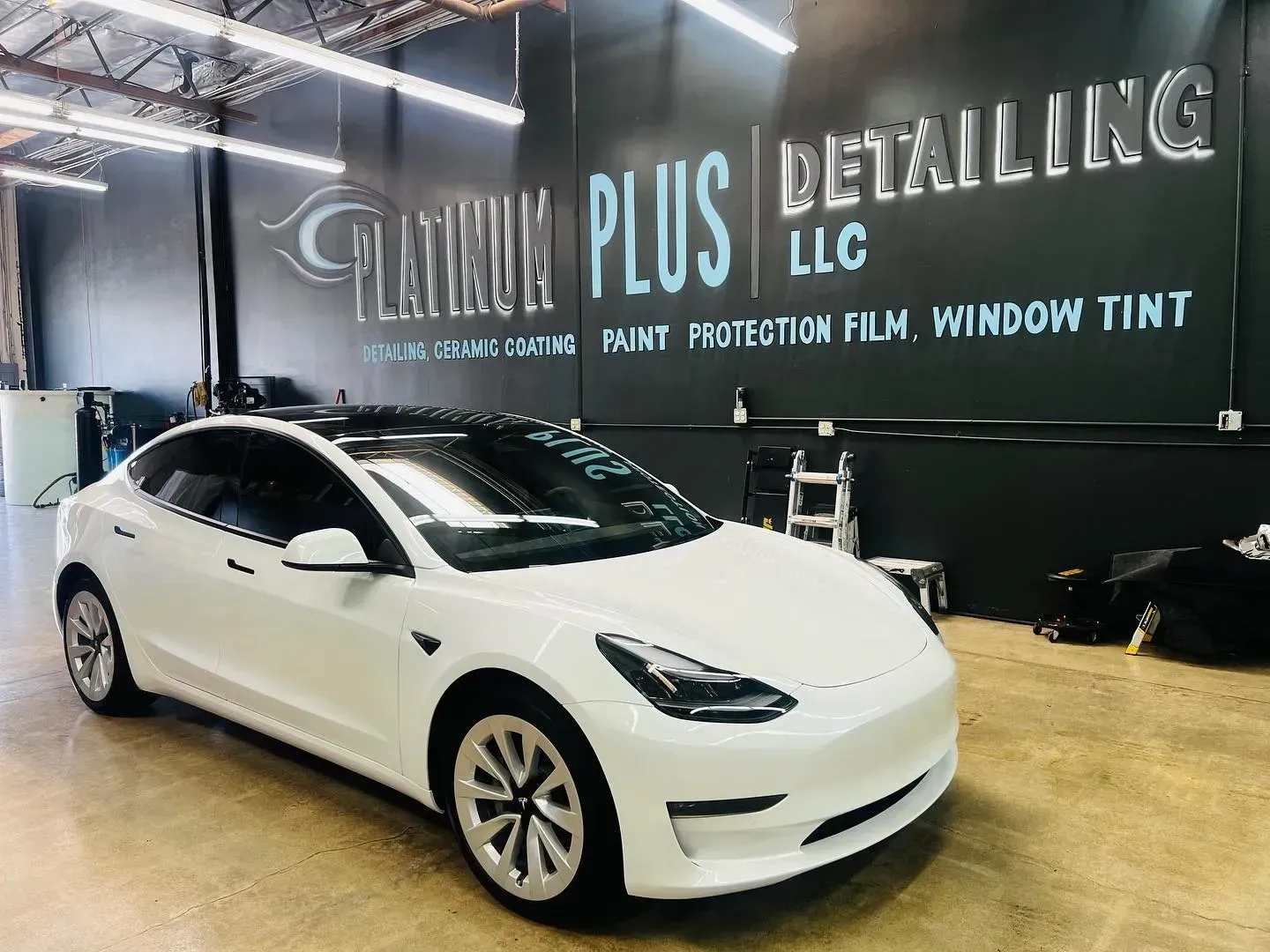
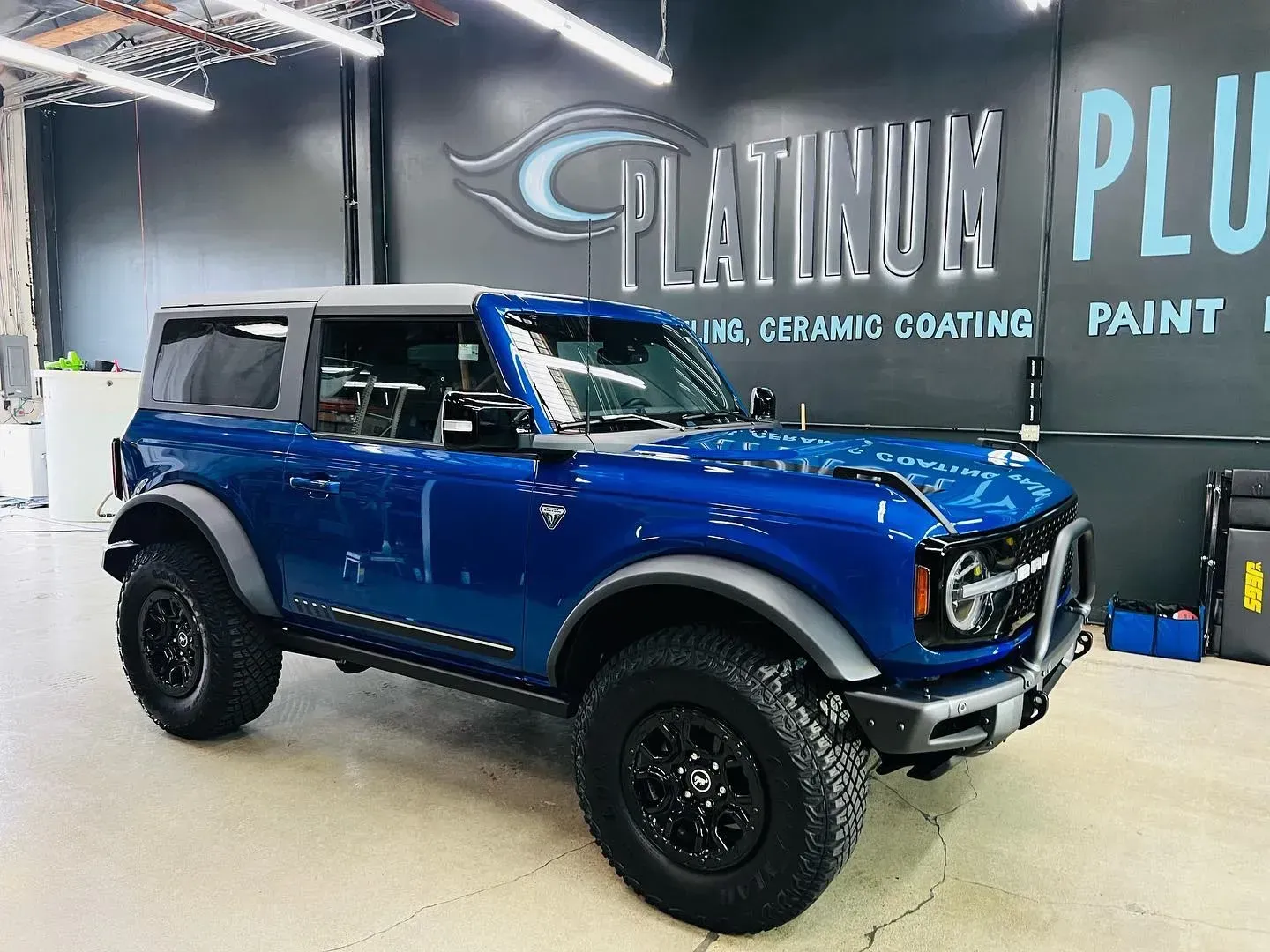
At Platinum Plus Detailing, we have proudly served Costa Mesa and Orange County since 2006. With over 20 years of combined experience, our team specializes in premium paint protection film installations, ceramic coatings, and window tinting for luxury and performance vehicles. As a Ceramic Pro Elite certified detailer, we use only top-tier materials designed to withstand California’s intense sun.
We proudly serve Costa Mesa, Fountain Valley, Huntington Beach, Irvine, Laguna Beach, Newport Beach, Santa Ana, and surrounding areas. With convenient pick-up and drop-off services available within an eight-mile radius, protecting your vehicle has never been easier.
Contact Platinum Plus Detailing today to schedule a free consultation and protect your investment with confidence.