
How Long Does Ceramic Coating Really Last? The Honest Answer on Durability and Protection
Ceramic coating is often marketed as a long-term solution for keeping your vehicle glossy, protected, and easier to maintain. But if you have ever asked how long ceramic coating really lasts, the honest answer is this: it depends on the quality of the product, how well it is installed, and how your vehicle is cared for afterward.
For drivers in Costa Mesa and throughout Orange County, ceramic coating can be a smart investment. With year-round sun, coastal salt air, and regular freeway driving along routes like the 405 and 55, paint surfaces face constant exposure to conditions that can wear down a finish over time. Ceramic coating helps reduce those risks, but it is not a one-time product you can apply and ignore forever.
This guide breaks down realistic ceramic coating longevity, what affects its lifespan, and how to get the most value from your investment.
The Typical Lifespan of Ceramic Coating
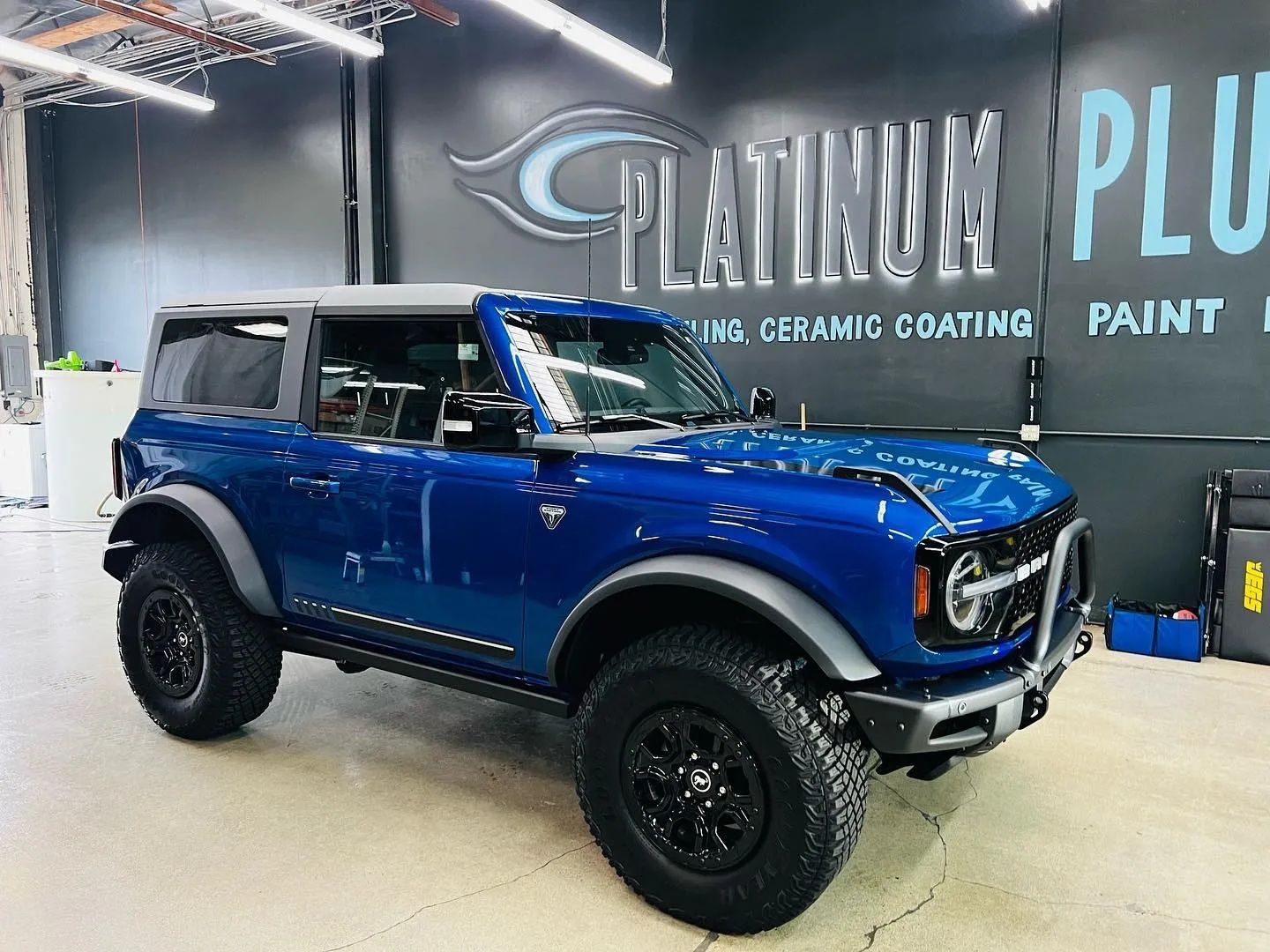
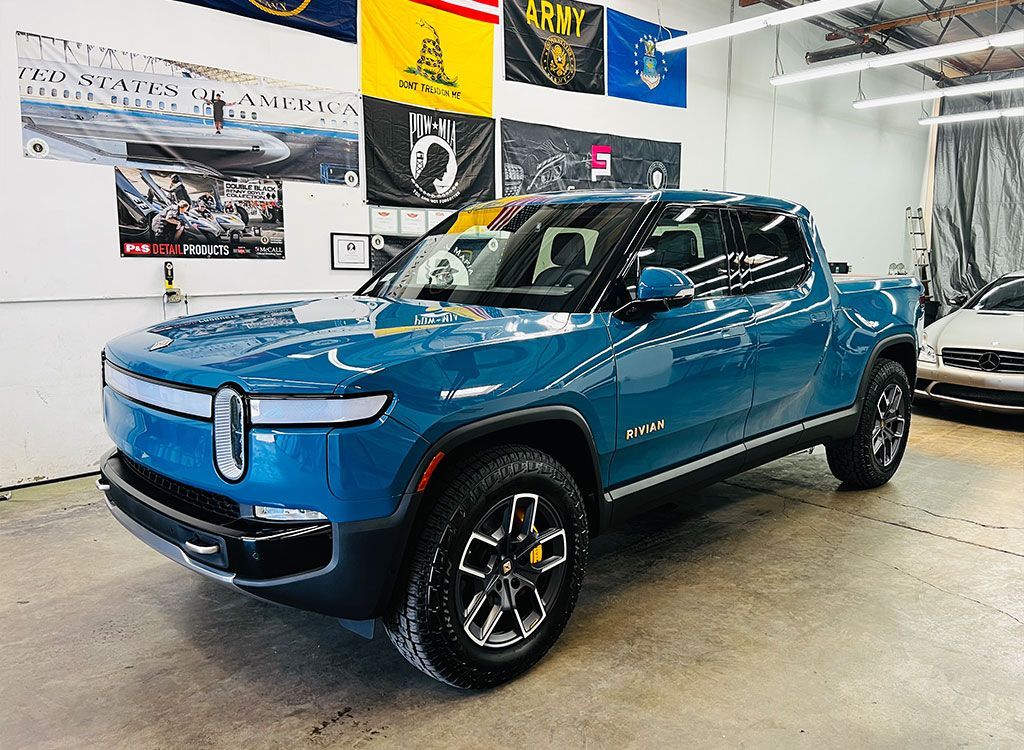
Most professional-grade ceramic coatings last anywhere from two to seven years when applied correctly and maintained properly. Some entry-level coatings may last closer to one year, especially if the vehicle is parked outdoors and washed infrequently. The biggest misconception is that ceramic coating is permanent. It is durable, but it is still a protective layer that gradually wears down over time.
Your real-life results depend on several factors, including exposure to UV rays, salt air, pollution, washing habits, and whether the vehicle is garage-kept or parked outdoors daily. These elements all influence how well the coating maintains its hydrophobic performance, gloss, and protective properties.
What Affects Ceramic Coating Longevity?
Ceramic coating durability is influenced by a combination of product quality, installation precision, and environmental stress. Higher-quality coatings are typically designed for stronger bonding and longer-lasting performance, which means they tend to maintain clarity, slickness, and hydrophobic behavior longer than consumer-grade options.
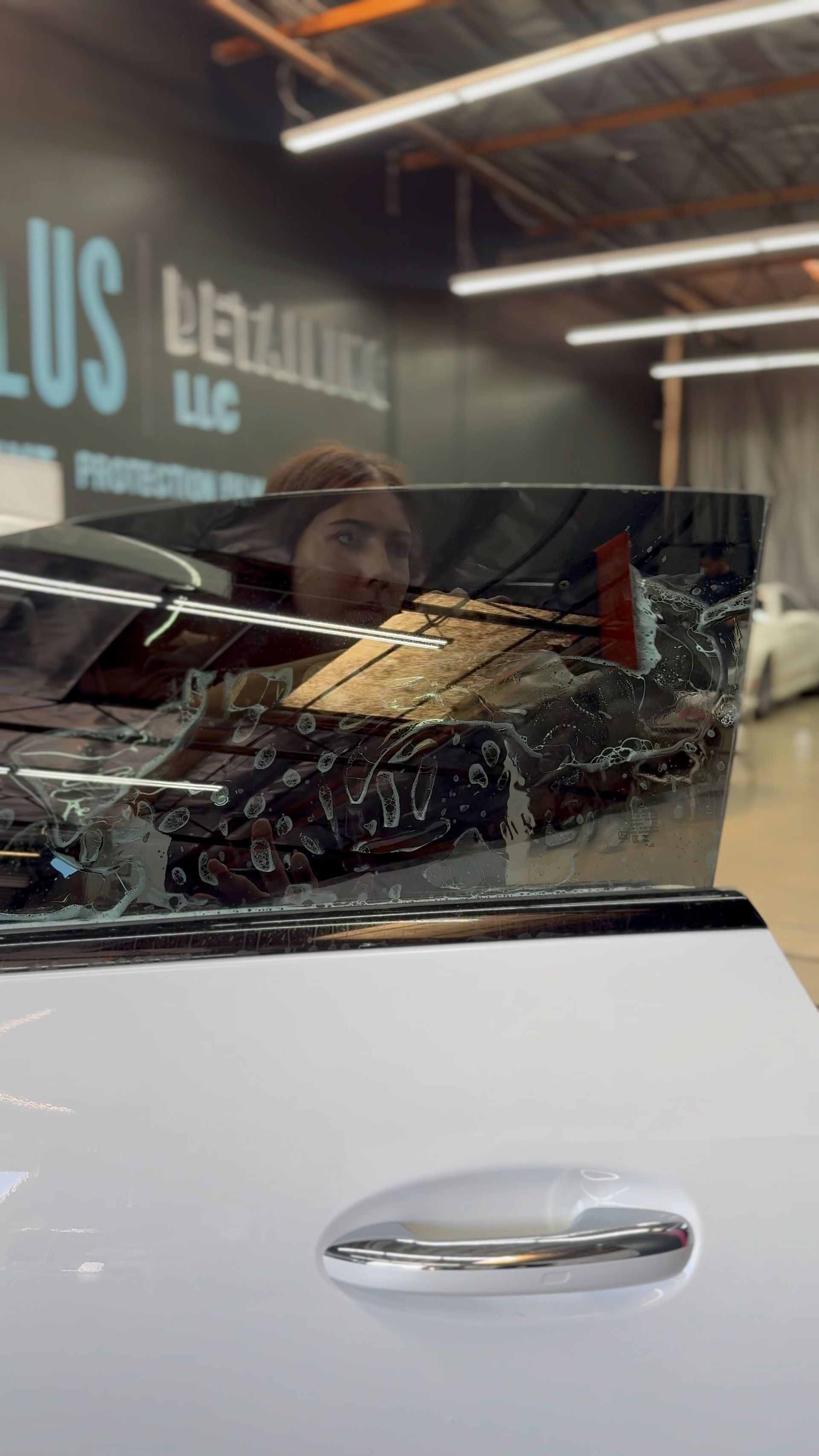
However, even the best coating will not perform well without proper surface preparation. Ceramic coating must bond to clean, corrected paint. If the paint is still contaminated, oily, or filled with swirls and defects, bonding may be uneven and performance may degrade faster. Professional installation often includes thorough washing, decontamination, paint correction as needed, and a final wipe-down to remove residual oils before the coating is applied.
Environmental conditions also play a major role. Vehicles exposed to frequent freeway driving, road grime, industrial fallout, and outdoor parking will experience more stress than vehicles driven occasionally and stored indoors. In a coastal area like Costa Mesa, the combination of UV exposure and salt air makes surface protection especially important.
Finally, maintenance habits directly impact longevity. Ceramic coatings are designed to reduce how often your vehicle needs intensive detailing, but they still require regular washing. When dirt, pollution, and mineral deposits build up on the surface, the coating’s slickness and hydrophobic properties can decrease over time. Vehicles that are washed properly and maintained with coating-safe products almost always retain performance longer than vehicles cleaned with harsh chemicals or neglected entirely.
Ceramic Coating Durability in Costa Mesa and Orange County
Local conditions matter more than many drivers realize. Costa Mesa drivers deal with strong sun exposure that can contribute to oxidation over time, as well as salt air and moisture coming from nearby coastal areas like Newport Beach and Laguna Beach. On top of that, heavy commuting in Orange County means vehicles are constantly exposed to freeway debris, road film, and pollution that can stick to paint surfaces and dull the finish.
Ceramic coating adds a protective, chemical-resistant layer between your paint and those elements. It helps reduce how easily contaminants bond to the surface, and it makes cleaning faster and safer. Still, even the most durable coating will gradually wear down if the vehicle is exposed to harsh conditions without consistent maintenance.
Ceramic Coating Maintenance: How to Make It Last Longer
Ceramic coating is designed to make your vehicle easier to maintain, but it does not eliminate maintenance altogether. Regular washing is one of the most important steps for keeping the coating effective. Ideally, vehicles should be washed every two to three weeks using a pH-neutral car shampoo, clean microfiber wash tools, and gentle washing techniques. Harsh detergents and degreasers can reduce the coating’s slickness over time, and improper tools can leave behind fine scratches or marring.
Automatic brush car washes should also be avoided whenever possible because brushes can create swirl marks and reduce surface clarity. Touchless car washes are a safer alternative if you need a quick option, but hand washing is still best for long-term results.
It is also important to remove contaminants quickly. Bird droppings, bug residue, and sap can still stain if left too long, even with ceramic coating. Cleaning these off as soon as possible helps preserve the coating and prevents unwanted etching. Many coatings also benefit from periodic use of ceramic-safe detail sprays or silica-based toppers that help refresh hydrophobic performance and maintain gloss.
Scheduling an annual inspection with a professional detailing shop is another smart step. This allows early detection of surface contamination, water spotting, or performance changes that may need correction before the coating becomes compromised.
How Ceramic Coating Compares to Wax and Sealants
Ceramic coating is often compared to traditional wax because both enhance gloss and protect the finish. The difference is durability. Wax typically lasts a few weeks to a few months, depending on the product and exposure. Sealants last longer than wax but still require regular reapplication.
Ceramic coating is designed for long-term protection and stronger performance, offering improved chemical resistance and longer-lasting hydrophobic properties. It also makes washing easier over time because contaminants are less likely to cling to the surface. Wax and sealants can still be useful for temporary shine or quick protection, but ceramic coating is a more effective solution for drivers who want lasting results and reduced upkeep.
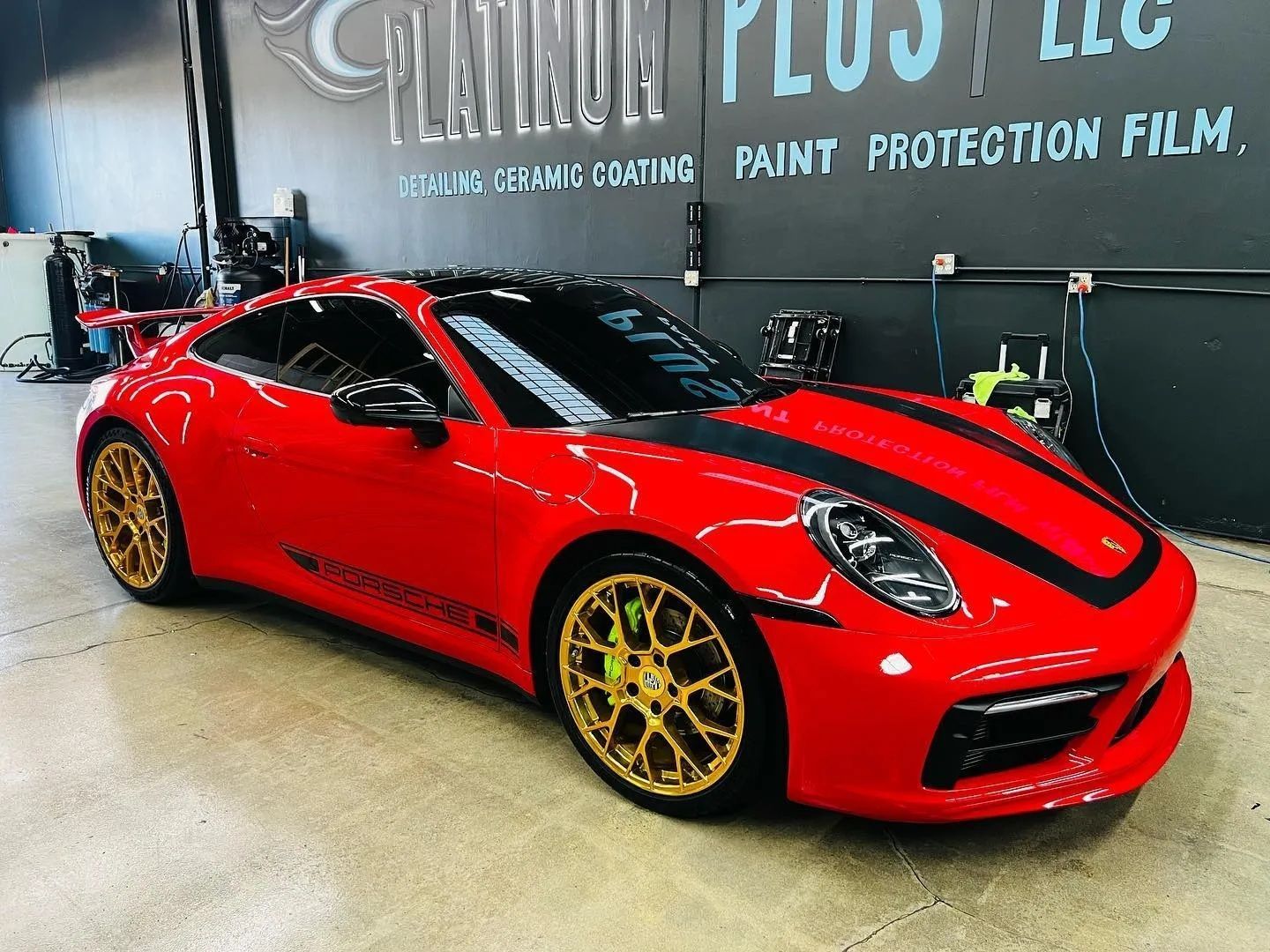
Ceramic Coating vs. Paint Protection Film (PPF)
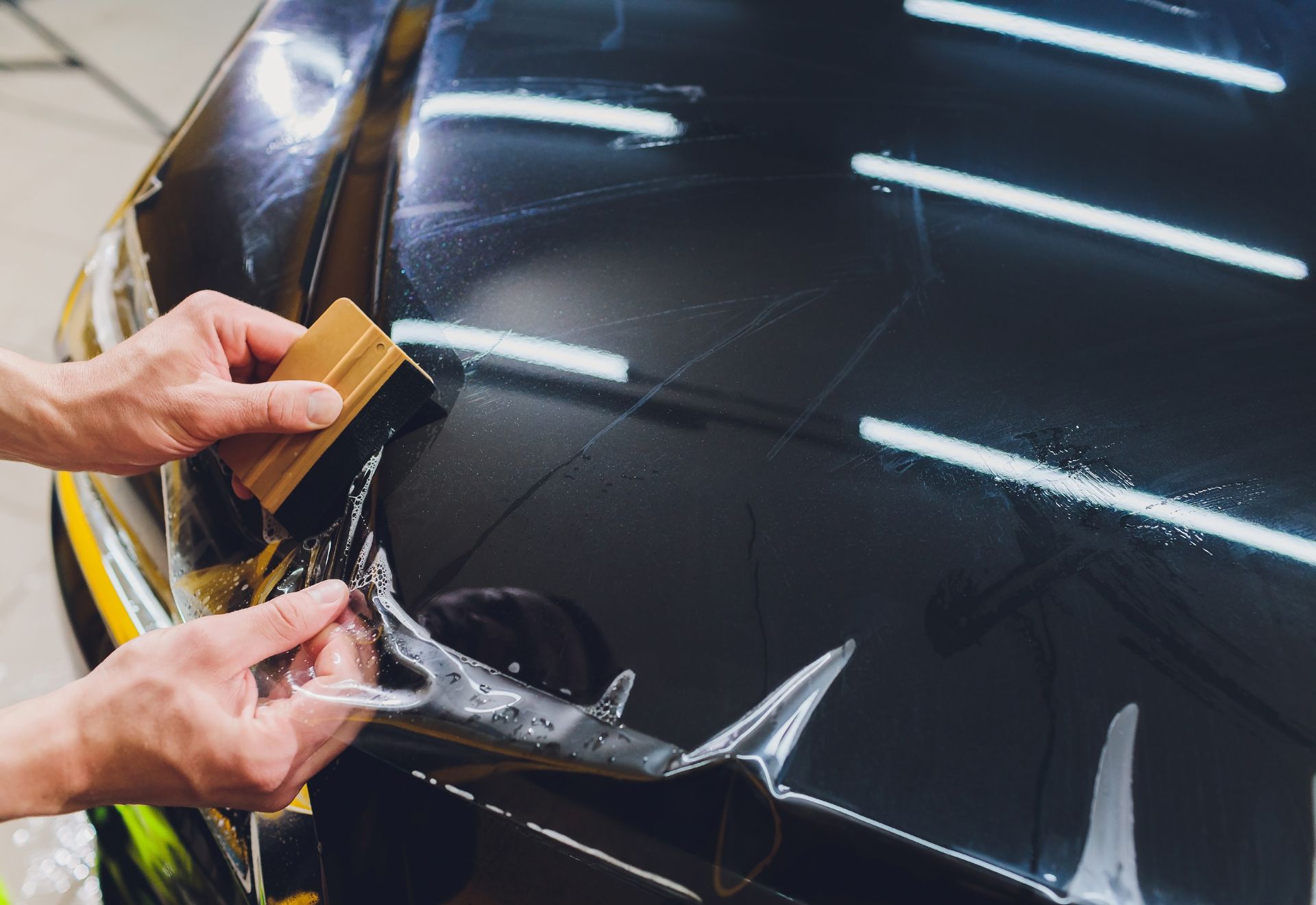
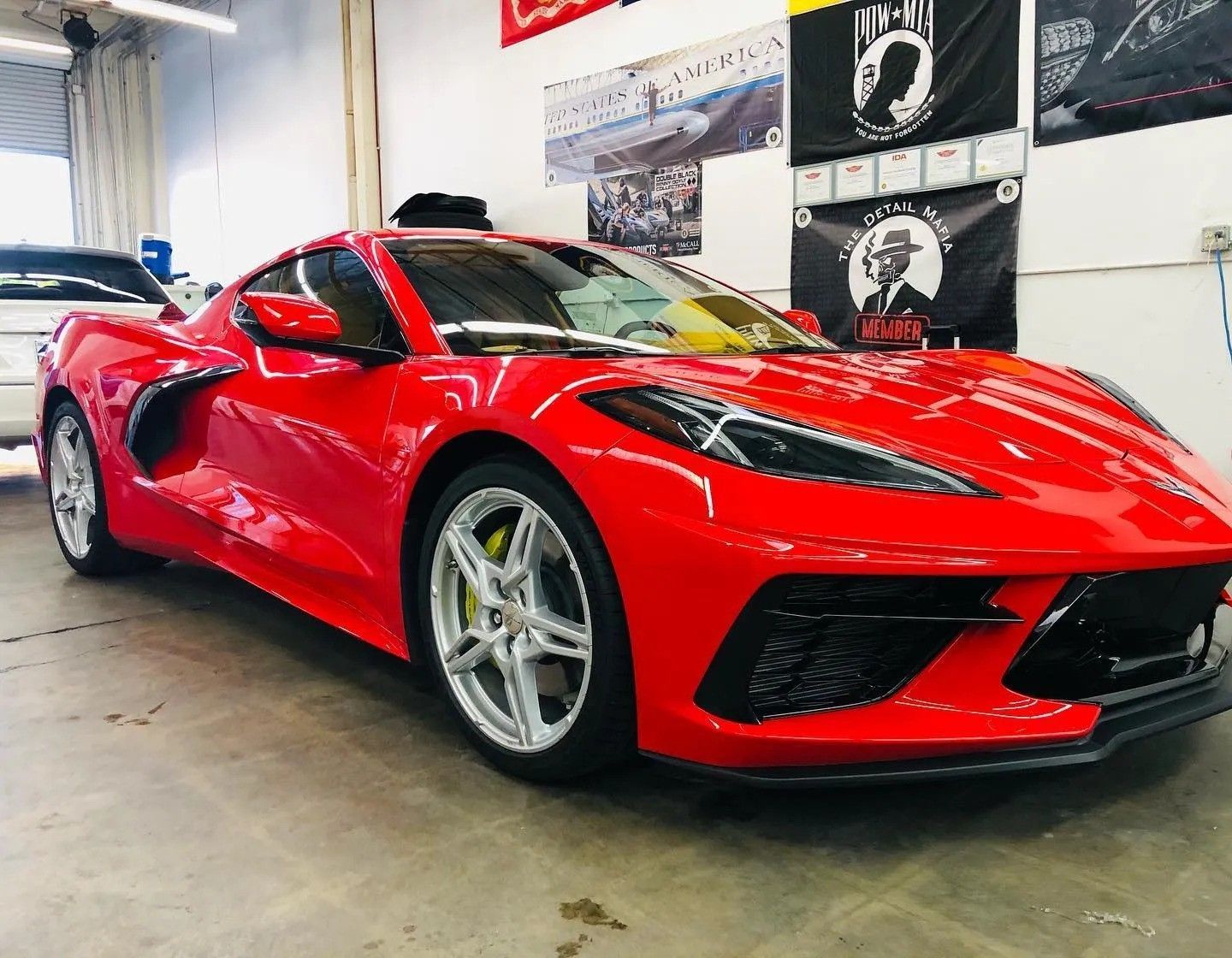
Ceramic coating and Paint Protection Film (PPF) are both protective, but they serve different purposes. Ceramic coating focuses on chemical resistance, gloss enhancement, UV defense, and easier maintenance. PPF is designed for impact protection and is far more effective against rock chips and physical damage, particularly on high-impact areas like bumpers, hood edges, and mirrors.
For many luxury and performance vehicle owners, the best strategy is combining both. PPF protects the most vulnerable areas from chips and scratches, while ceramic coating helps maintain gloss and makes cleaning easier across the entire vehicle. This combination is especially beneficial in Costa Mesa, where freeway driving and sun exposure are consistent year-round.
The Honest Answer: What You Can Expect in Real Life
If ceramic coating is applied professionally and maintained properly, most drivers can expect multiple years of strong performance. However, the coating’s hydrophobic properties and gloss may gradually decline over time, especially if the vehicle is parked outdoors and exposed to harsh environmental conditions. Ceramic coating works best for drivers who want long-term gloss and protection, understand that regular washing is still required, and value easier maintenance and stronger resistance to contamination.
The best results come from choosing a quality coating system, ensuring correct installation, and following a consistent care routine. Ceramic coating is not permanent, but it can provide outstanding long-term value when treated properly.
Frequently Asked Questions
How long does ceramic coating last on average?
Most professional coatings last two to seven years, depending on maintenance and environmental exposure.
Does ceramic coating eliminate the need for washing?
No. It makes washing easier and reduces buildup, but routine washing is still required.
Can ceramic coating prevent scratches?
Ceramic coating can help reduce minor surface marring, but it does not prevent rock chips or deep scratches. PPF is best for impact protection.
Is ceramic coating worth it in Costa Mesa?
Yes. With strong sun exposure and coastal conditions, ceramic coating provides valuable long-term paint protection and easier maintenance.
Should I get ceramic coating or PPF?
PPF is best for rock chip and impact protection. Ceramic coating is ideal for gloss, chemical resistance, and easier cleaning. Many drivers choose both for maximum protection.
Get Ceramic Coating in Costa Mesa With Platinum Plus Detailing
Ceramic coating can be a powerful upgrade for protecting your vehicle’s finish, improving gloss, and making maintenance easier. The key is choosing a high-quality product, applying it correctly, and maintaining it consistently. Platinum Plus Detailing provides professional ceramic coating services for Costa Mesa and Orange County drivers who want honest recommendations, premium results, and long-term protection.
Call (714) 614-1691 for a free consultation or visit our contact page to book an appointment.
Platinum Plus Detailing proudly serves Costa Mesa, Fountain Valley, Huntington Beach, Irvine, Newport Beach, Laguna Beach, Santa Ana, Orange, Tustin, and surrounding Orange County areas.