California Front Window Tint Laws for Cars: Legal Limits
November 3, 2026

California front window tint laws generally require front side windows to allow at least 70% of visible light through the finished glass. Qualifying aftermarket film must also be clear, colorless, and transparent, with a minimum visible light transmission (VLT) of 88%. These requirements help maintain visibility while allowing drivers to benefit from certain UV-protective window films.


For vehicle owners in Costa Mesa, CA, understanding California window tint laws is important before scheduling an installation. Choosing the wrong film can result in traffic citations, removal costs, and additional installation expenses. This guide explains California's legal tint limits, windshield restrictions, medical exemptions, enforcement procedures, and options for improving vehicle comfort.


This article provides general information, not legal advice. Regulations can change, so consult the current California Vehicle Code for specific requirements.

What Does Window Tint Darkness Mean?

Under California Vehicle Code §26708, aftermarket film installed on the front side windows must meet specific transparency and safety requirements.


California generally permits qualifying front side window film when:


  • The film has at least 88% VLT and is clear, colorless, and transparent.
  • The finished window, including its existing glass and applied film, meets the applicable federal safety standard, including at least 70% light transmission.
  • The film is designed to improve protection against ultraviolet A (UVA) rays.
  • The required signed installation or manufacturer certification is kept inside the vehicle.


For professionally installed qualifying film, the certificate must identify the installation company and film manufacturer by their full names and street addresses. Owner-installed film has a separate manufacturer certification provision.


These requirements apply to front side windows on passenger vehicles, including cars, SUVs, and pickup trucks.


Understanding Visible Light Transmission

Visible light transmission measures how much visible light passes through glass or film. A higher VLT percentage indicates a lighter appearance, while a lower percentage indicates a darker appearance.


Importantly, the film's VLT is different from the combined VLT of the finished window.


Factory automotive glass may already reduce visible light transmission. Adding aftermarket film reduces the amount of light passing through the glass further.


Therefore, selecting film based only on its advertised VLT percentage does not establish legal compliance. Drivers should consider both the existing glass and the proposed film before installation.

Person applying a black film to a car windshield in a workshop

Are Rear Window Tint Limits Different in California?

California provides greater flexibility for tinting rear side windows and rear windshields.


Under Vehicle Code §26708, side windows located behind the driver are generally exempt from the restrictions affecting front side windows. This allows darker rear window tint for additional privacy and sun protection.


Rear windshields may also be tinted when the vehicle has properly positioned exterior mirrors on both sides that provide the legally required rearward view.


However, window film should not create unsafe visibility conditions. Drivers should consider nighttime visibility, mirror effectiveness, and overall driving comfort when selecting darker rear window tint.

California Windshield Tint Rules

California windshield tint laws are more restrictive because the windshield provides the driver's primary forward view.


Vehicle Code §26708(c) permits transparent material on the uppermost portion of the windshield when it satisfies specific requirements.


The permitted strip must:

  • Have a bottom edge at least 29 inches above the driver's seat, measured according to the statutory procedure.
  • Avoid red or amber coloring.
  • Contain no opaque lettering or markings that distort vision.
  • Avoid creating excessive reflected glare for other drivers.


The legal strip position depends on the required measurement, not simply a universal four-inch limit.


Outside this permitted upper area, ordinary aftermarket windshield tint is generally prohibited. A separate, narrowly defined medical provision allows qualifying clear, colorless film when the required conditions and dermatologist certification are satisfied.


Drivers considering windshield tinting should verify that the proposed installation meets California's requirements rather than assuming a nearly invisible film is automatically permitted.

Medical Exemptions for Window Tint in California

California provides limited medical exceptions for individuals who require additional protection from sunlight. However, a medical note does not automatically permit darker permanently installed front window tint.


Under Vehicle Code §26708(b)(10), qualifying removable sun-screening devices may be used on front side windows when the driver or front passenger possesses appropriate medical documentation.


The documentation must be signed by a licensed physician and surgeon for a qualifying medical condition or a licensed optometrist for a qualifying visual condition.


California Vehicle Code §26708.2 requires these devices to be readily removable. Transparent devices must meet specified color and minimum 35% light transmission requirements, while reflectivity cannot exceed 35%.


These medically authorized removable devices cannot be used during darkness.


California also provides a separate exception for qualifying clear, colorless film supported by a signed licensed dermatologist's certification. This exception retains the applicable 88% film VLT and 70% finished-window requirements.


Drivers should keep the required documentation inside their vehicles and review the exact legal conditions before using either exception.

What Happens If Your Window Tint Is Too Dark?

California law enforcement officers may inspect suspected noncompliant window tint during traffic stops. Tint meters can measure the percentage of visible light passing through the glass and installed film.


If the measured transmission falls below the applicable legal requirement, or other statutory conditions are not satisfied, the driver may receive a citation.


Some window tint violations may qualify as correctable violations, commonly called fix-it tickets.


When a citation is marked correctable, the driver generally needs to correct the violation, obtain authorized verification, and submit proof to the court before the deadline.


According to California Courts, the proof-of-correction fee is generally $25 per eligible violation. Other penalties may apply depending on the citation and circumstances.


Removing noncompliant tint and replacing it with suitable film can create additional expenses. Checking the legal requirements before installation helps reduce these risks.

Choosing Window Tint That Meets California Requirements

Choosing window tint involves balancing legal compliance, visibility, UV protection, and heat rejection.


Modern ceramic window films can reduce infrared heat and ultraviolet exposure without requiring extremely dark shades. However, a film's heat-rejection performance does not automatically establish compliance with California's window tint laws.


Drivers should evaluate the film's specifications and confirm that the proposed installation satisfies the applicable requirements.


AtPlatinum Plus Detailing, we offer KAVACA window tint products from Ceramic Pro, including ceramic film options designed for heat rejection and UV protection.


Before choosing front window film, vehicle owners should have their existing glass assessed and confirm that the selected product meets the required VLT and documentation standards.


Film condition also matters. Under California law, qualifying film that tears, bubbles, or becomes worn enough to obstruct clear vision must be removed or replaced.

Get Professional Window Tinting in Costa Mesa, CA

Understanding California front window tint laws helps drivers make informed decisions about their vehicles. The right installation should balance comfort, visibility, appearance, and legal requirements.


At Platinum Plus Detailing, we provide window tinting in Costa Mesa and Orange County for drivers seeking improved UV protection, reduced heat exposure, and a more comfortable driving experience.


We serve customers in Costa Mesa, Newport Beach, Irvine, Huntington Beach, Tustin, Santa Ana, and surrounding communities.


Whether you want to explore ceramic window tint or compare options for your vehicle, our team can help you understand available film packages and relevant California regulations.


Request a free quote or call (714) 614-1691 to discuss your window tinting needs.

Recent Posts

By Detailers Roadmap SEO • November 3, 2026
Learn when to wash your car after ceramic coating, what affects curing time, and how to care for your vehicle's finish with tips from Costa Mesa experts.
By Detailers Roadmap SEO • November 3, 2026
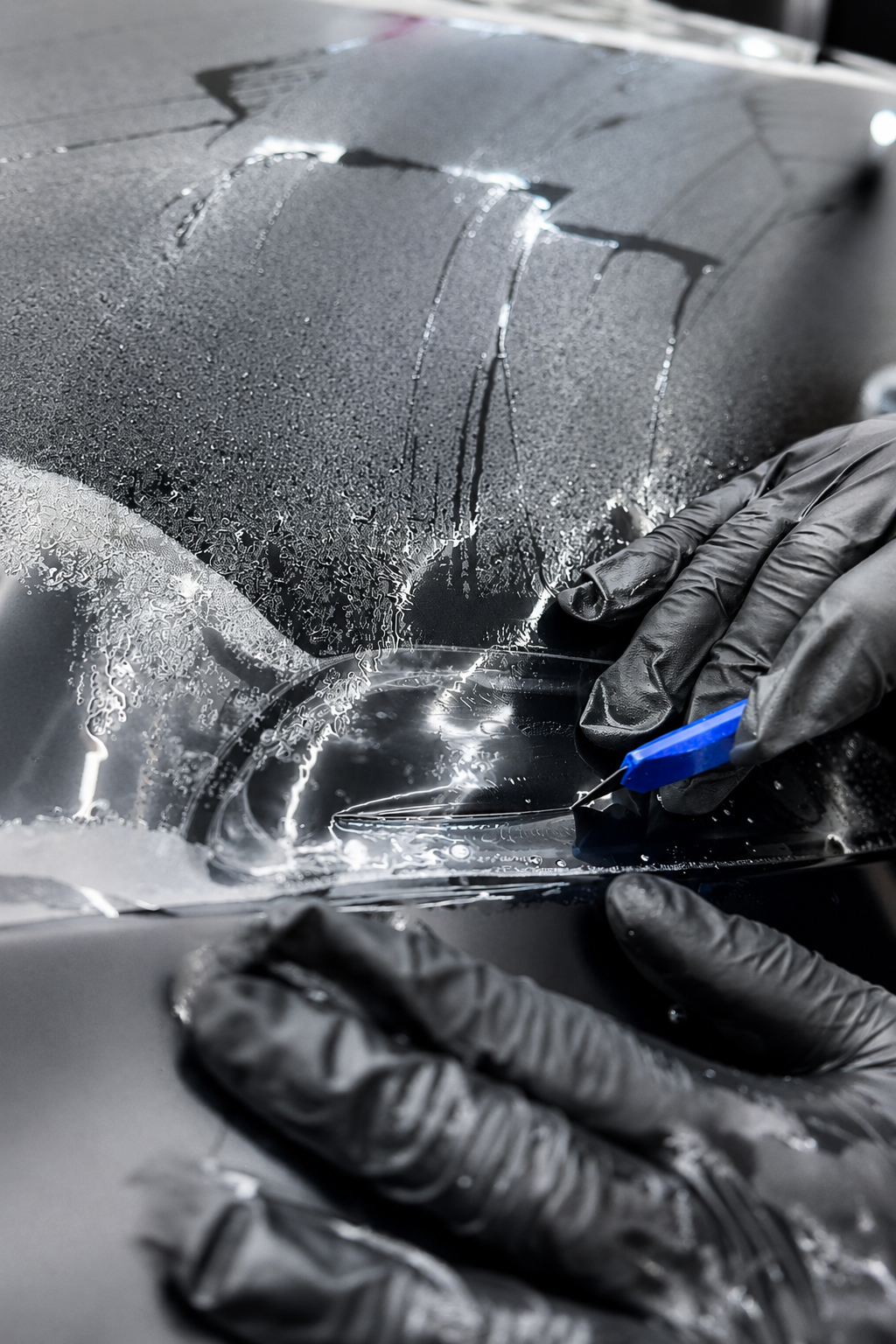
Yes, paint protection film (PPF) can be installed on repainted panels, provided the paint has cured sufficiently and the surface is suitable for installation. However, repainted surfaces require additional evaluation because paint adhesion, curing conditions, and previous repair quality can affect installation and future film removal. For vehicle owners in Costa Mesa, CA, protecting a freshly repainted hood, bumper, or fender can help preserve its appearance against everyday road debris. At Platinum Plus Detailing , we understand the importance of evaluating the paint's condition before applying protective film. Knowing what to expect helps vehicle owners make informed decisions about protecting their refinished surfaces.
Yellow sports car parked outside a white building under a blue sky
August 31, 2026
Learn why window tints with the same darkness can differ in color, clarity, heat rejection, and reflectivity. Explore window tinting in Costa Mesa.
White Tesla sedan in a showroom with a “Detailing LLC” sign on the wall
August 31, 2026
Learn how PPF thickness affects appearance, flexibility, installation, and paint protection. Explore professional PPF options with Platinum Plus Detailing.
Blue off-road SUV in a garage with a Platinum Plu logo on the wall
August 31, 2026
Ceramic coating stopped beading? Learn the causes, safe maintenance steps, and when to request professional ceramic coating care in Costa Mesa, CA.
Black SUV parked on a wet city street in front of lit storefront windows
August 31, 2026
Learn if darker tint blocks more heat and how ceramic window tint improves comfort, UV protection, and glare. Call Platinum Plus Detailing today.