Yes, paint protection film (PPF) can be installed on repainted panels, provided the paint has cured sufficiently and the surface is suitable for installation. However, repainted surfaces require additional evaluation because paint adhesion, curing conditions, and previous repair quality can affect installation and future film removal.
For vehicle owners in Costa Mesa, CA, protecting a freshly repainted hood, bumper, or fender can help preserve its appearance against everyday road debris. At
Platinum Plus Detailing, we understand the importance of evaluating the paint's condition before applying protective film. Knowing what to expect helps vehicle owners make informed decisions about protecting their refinished surfaces.
Can PPF Go on Repainted Panels?
Paint protection film is a transparent urethane material designed to protect automotive paint against rock chips, road debris, bug splatter, and minor surface damage. Its adhesive bonds to properly prepared paint, creating a protective barrier without significantly changing the vehicle's appearance.
However, factory paint and repainted surfaces can behave differently.
Factory paint undergoes controlled application and curing processes during vehicle manufacturing. Refinished panels depend on the body shop's preparation, paint materials, application techniques, and curing procedures.
If the repaint has weak adhesion, peeling clear coat, or unresolved defects, applying PPF may create additional risks. These problems can become particularly concerning when the film needs to be removed.
A professionally applied repaint may be suitable for PPF, but proper evaluation is necessary before installation.
How Long Should You Wait Before Installing PPF?
One of the most important considerations when applying PPF on repainted panels is allowing sufficient paint curing time.
Fresh automotive paint undergoes chemical processes that allow the coating to harden and stabilize. Installing protective film prematurely may interfere with remaining solvent release and increase the likelihood of bubbling, hazing, or other finish-related defects.
There is no universal waiting period for installing PPF after repainting. Some paint manufacturers and installers recommend waiting at least 30 days, but the appropriate timeline depends on the specific refinishing system and paint manufacturer's instructions.
Several factors influence paint curing:
- Paint formulation: Different automotive paint and clear coat products have varying curing requirements.
- Application conditions: Temperature, humidity, and ventilation can influence the curing process.
- Curing method: Force-dried and air-dried finishes may require different waiting periods.
- Repair procedures: The materials and techniques used during refinishing can affect paint readiness.
Before scheduling installation, ask your body shop when its paint system will be suitable for adhesive film application.
Your PPF installer should also review the paint's condition before proceeding. Confirming both recommendations helps reduce the risk of premature installation.
Inspecting Repainted Panels Before PPF Installation
Even when sufficient curing time has passed, the repainted surface should undergo a careful inspection.
A panel may appear smooth and polished while still having underlying issues that affect film adhesion or future removal.
Important conditions to evaluate include peeling clear coat, paint lifting, visible repair defects, contamination, overspray, uneven surface texture, and inconsistent refinishing.
Unusual coating-thickness readings may also warrant further investigation into previous bodywork.
PPF does not repair existing paint defects. Imperfections beneath the film can remain visible after installation, making surface preparation especially important.
Existing waxes, sealants, and ceramic coatings may interfere with adhesion and require additional preparation or removal according to the film manufacturer's specifications.
Vehicle owners should also document the panel's condition before installation. Photographs of existing repairs, chips, or finish differences can provide useful records if questions arise later.
Installation, Removal, and Warranty Risks
PPF Installation on Refinished Paint
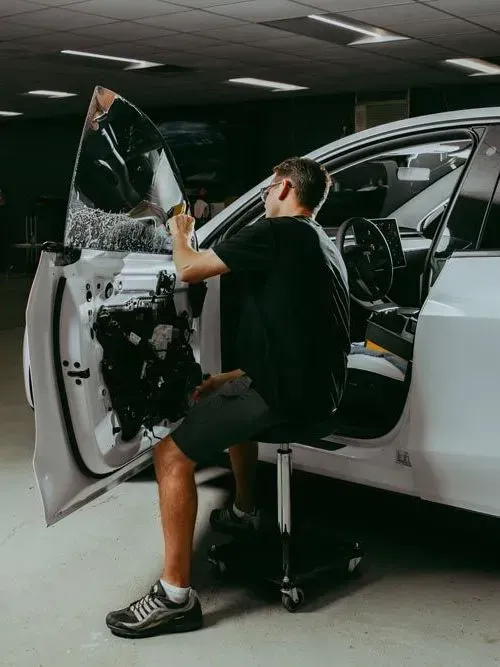
Installing PPF requires careful surface preparation, accurate film positioning, and appropriate application techniques.
Excessive heat, unnecessary stretching, or improper cutting techniques may damage vulnerable refinished surfaces.
Professional installers should consider the condition of the underlying paint and follow the film manufacturer's installation recommendations.
If the finish shows signs of instability, delaying installation may be the safer option.
Can Removing PPF Damage Repainted Paint?
Yes, removing PPF from a repainted panel can damage the underlying finish, particularly if the paint has poor adhesion or existing defects.
Film removal involves adhesive separation, which can place stress on the paint surface.
Repainted panels with weak clear coat adhesion or inadequate preparation may be more vulnerable to lifting or peeling during removal.
Professional removal using appropriate techniques can help reduce these risks, although damage cannot always be prevented.
Does PPF Affect Paint Warranties?
Installing aftermarket PPF does not automatically void a vehicle's factory warranty. However, warranty coverage depends on the applicable terms and the cause of any damage.
Vehicle owners should distinguish between the manufacturer's paint warranty, the body shop's refinishing warranty, the PPF manufacturer's product warranty, and the installer's workmanship warranty.
Before installation, review the relevant warranty documents and confirm any limitations involving previously repainted panels.
When Should PPF Installation Be Delayed?
Not every repainted panel is immediately suitable for paint protection film.
Professional installers may recommend postponing installation when the paint has not completed its required curing period, the clear coat is peeling, or the finish shows unresolved repair defects.
Visible contamination, unstable paint adhesion, and uncertainty about the refinishing products may also require additional assessment.
Waiting until these concerns are addressed can help prevent complications during installation and future removal.
For recently repaired vehicles, coordination between the body shop and PPF installer is particularly valuable.
Questions to Ask Your Paint Shop and PPF Installer
Before applying paint protection film to a repainted vehicle, ask your body shop:
- Which paint and clear coat products were used?
- What curing period is required before PPF installation?
- Was the panel force-dried or air-dried?
- Does the refinishing warranty include restrictions on protective films?
Ask your PPF installer:
- How do you evaluate repainted surfaces?
- What preparation is necessary before installation?
- What installation and removal risks should I understand?
- Which film and workmanship warranties apply?
Keeping written curing recommendations, repair invoices, condition photographs, and warranty information can make future maintenance decisions easier.
Frequently Asked Questions About PPF on Repainted Panels
Can PPF Hide Imperfections in Repainted Paint?
PPF does not correct peeling clear coat, uneven texture, or existing paint defects. Some imperfections may remain visible beneath the film, making proper surface inspection and preparation essential.
Is PPF Safe for a Repainted Bumper?
PPF may be suitable for a repainted bumper once the paint has cured sufficiently and the finish is stable. A professional evaluation helps determine whether installation is appropriate.
Is PPF Worth Installing After Repainting?
PPF can provide additional protection against everyday road debris and minor surface damage. Its suitability depends on the repaint's condition, installation quality, and the owner's protection goals.
Protect Your Repainted Vehicle With Professional PPF in Costa Mesa, CA
Protecting a refinished vehicle begins with confirming that the paint is ready for film installation.
At Platinum Plus Detailing, we provide professional paint protection film installation in Costa Mesa and Orange County. As a Ceramic Pro Elite installer, we help vehicle owners explore protective film options based on their vehicles' conditions and protection needs.
Whether you are in Costa Mesa, Newport Beach, Irvine, Huntington Beach, or nearby communities, our team can discuss your repainted panel and the appropriate next steps.
Request a free quote or call (714) 614-1691 to learn more about PPF installation.
With proper curing, careful inspection, and professional installation, paint protection film can help preserve suitable repainted surfaces while reducing exposure to everyday road hazards.