
Why Your Ceramic Coating May Stop Beading Even When It Is Still Protecting
Water beading is a visible sign of ceramic coating performance, so flattened droplets or water sheeting can cause concern. However, reduced beading does not automatically mean the coating has failed. In Costa Mesa, common causes include road film, sprinkler overspray, mineral deposits, soap residue, and improper washing.
In many cases, contamination is changing how water interacts with the surface. A coating-safe wash or inspection may restore hydrophobic performance without reapplication.
Key takeaway: Water beading is useful, but it is not the only measure of ceramic coating performance. Surface cleanliness, water sheeting, and maintenance history provide a more complete picture.
What Water Beading Tells You About Ceramic Coating
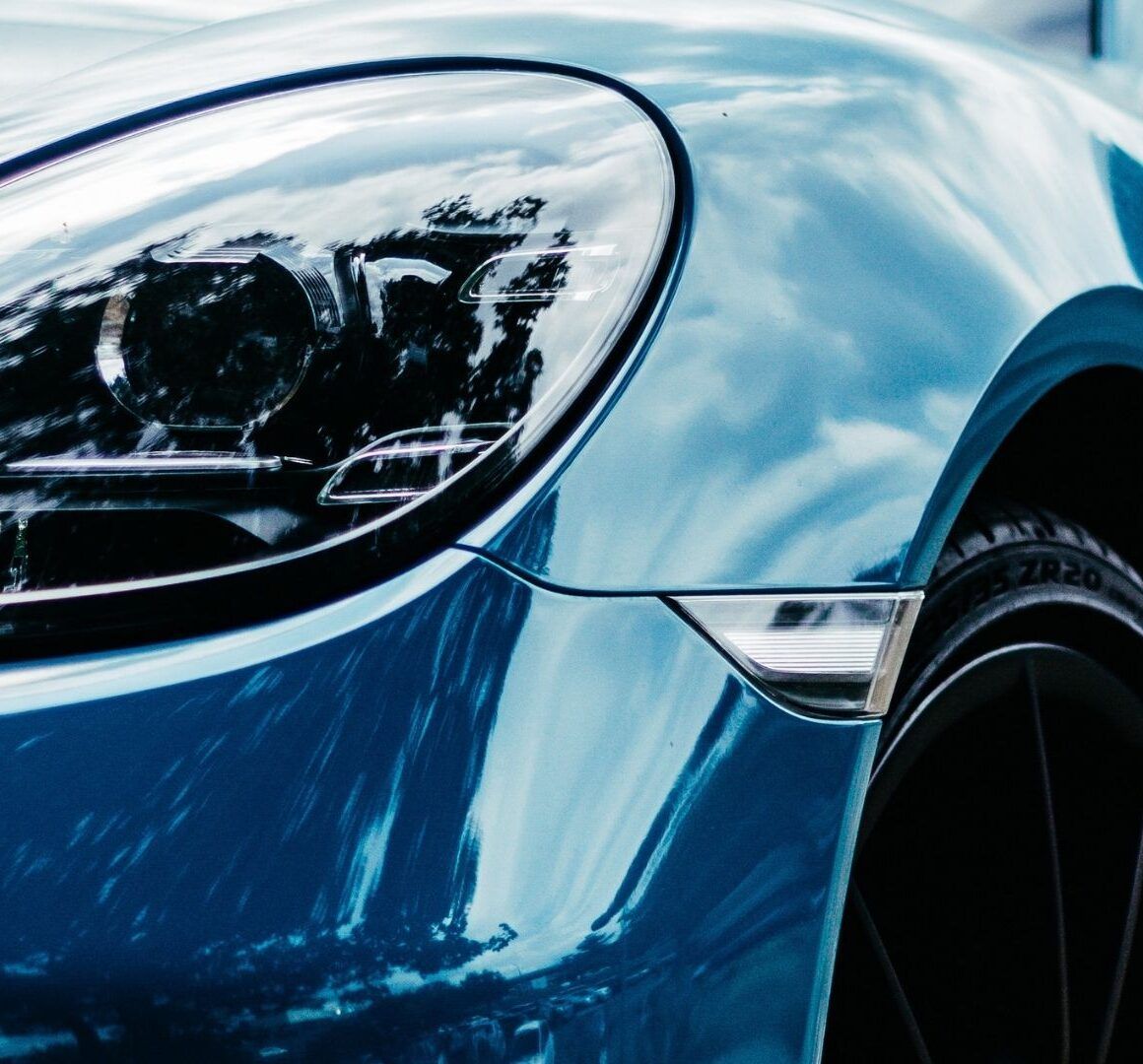
Ceramic coatings create a low-surface-energy layer that encourages water to form beads or move off the panel quickly, making washing and drying easier.
Beading and sheeting are both forms of hydrophobic behavior. Some coatings create dramatic beads, while others allow water to leave in larger sheets. Fast sheeting is not necessarily a bad sign. The goal is efficient water release and easier cleaning, not perfectly round droplets.
A single rinse is not a final test. Oils, minerals, or incompatible products can alter water behavior while the coating remains bonded to the paint.
Why Ceramic Coating May Stop Beading
1. Road Film and Everyday Contamination
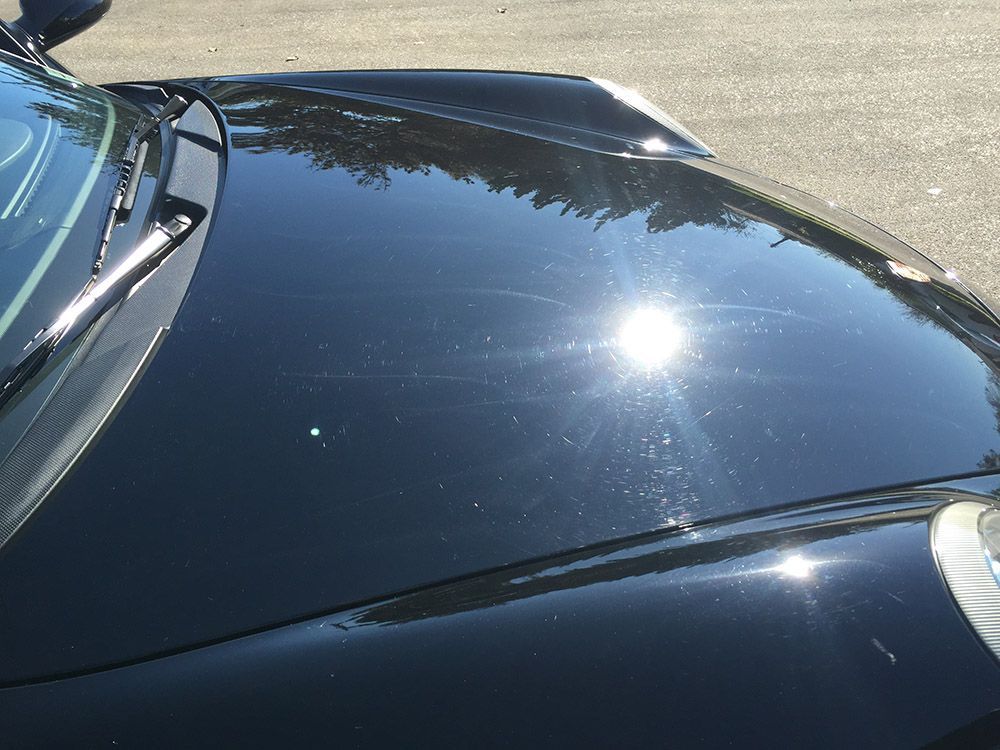
Exhaust residue, dust, pollen, road grime, and oils can form a thin film that causes water to interact with contamination instead of the clean coating surface.
2. Hard-Water Minerals and Sprinkler Spots
Sprinklers, irrigation systems, and untreated hose water can leave mineral deposits behind. These deposits interfere with water movement and may contribute to spotting or etching if they remain too long. This is especially relevant for vehicles parked outdoors in Costa Mesa and throughout Orange County.
3. Soap Residue or Incompatible Products
Some soaps, waxes, gloss enhancers, and quick-detail sprays leave a film that changes how water behaves. Harsh household cleaners and strong degreasers may also reduce surface performance. A product can make the paint look glossy while masking the coating's hydrophobic properties.
4. Infrequent or Improper Washing
Ceramic coating reduces maintenance demands, but it does not make a vehicle maintenance-free. Long gaps between washes allow contamination to accumulate. Brush-style automatic car washes, dirty towels, and aggressive scrubbing can also introduce swirl marks and gradually wear exposed areas.
5. Natural Aging and Mechanical Wear
Every coating has an expected service life based on the product, installation, climate, mileage, storage, and maintenance. High-exposure areas may lose hydrophobic behavior first, which can reflect normal wear rather than total failure.
How to Tell Whether the Coating Is Still Working
Begin with a coating-safe wash using a pH-neutral shampoo, clean wash mitt, and soft microfiber towels. Wash in the shade on cool panels, rinse thoroughly, and avoid leaving soap on the surface.
After washing, observe whether beading or sheeting improves. If it does, contamination was likely masking the coating. If performance remains inconsistent, the paint may need mineral removal, iron decontamination, or another coating-compatible treatment.
Easier dirt removal, consistent gloss, and faster drying may suggest that some performance remains. A trained detailer can determine whether the vehicle needs decontamination, maintenance, localized correction, or a new coating application.
Unsure whether contamination or coating wear is affecting your vehicle? Contact Platinum Plus Detailing for professional ceramic coating guidance in Costa Mesa.
How to Restore Hydrophobic Performance Safely
Start With a Maintenance Wash
A thorough wash should always be the first step. Use coating-safe products and clean tools to remove dirt and residue without introducing new marks.
Use the Correct Decontamination Method
If washing does not restore performance, the vehicle may require mineral removal or chemical decontamination. Avoid strong acids, household cleaners, abrasive compounds, and improvised mixtures. The wrong product can stain trim, mar the paint, or damage the coating.
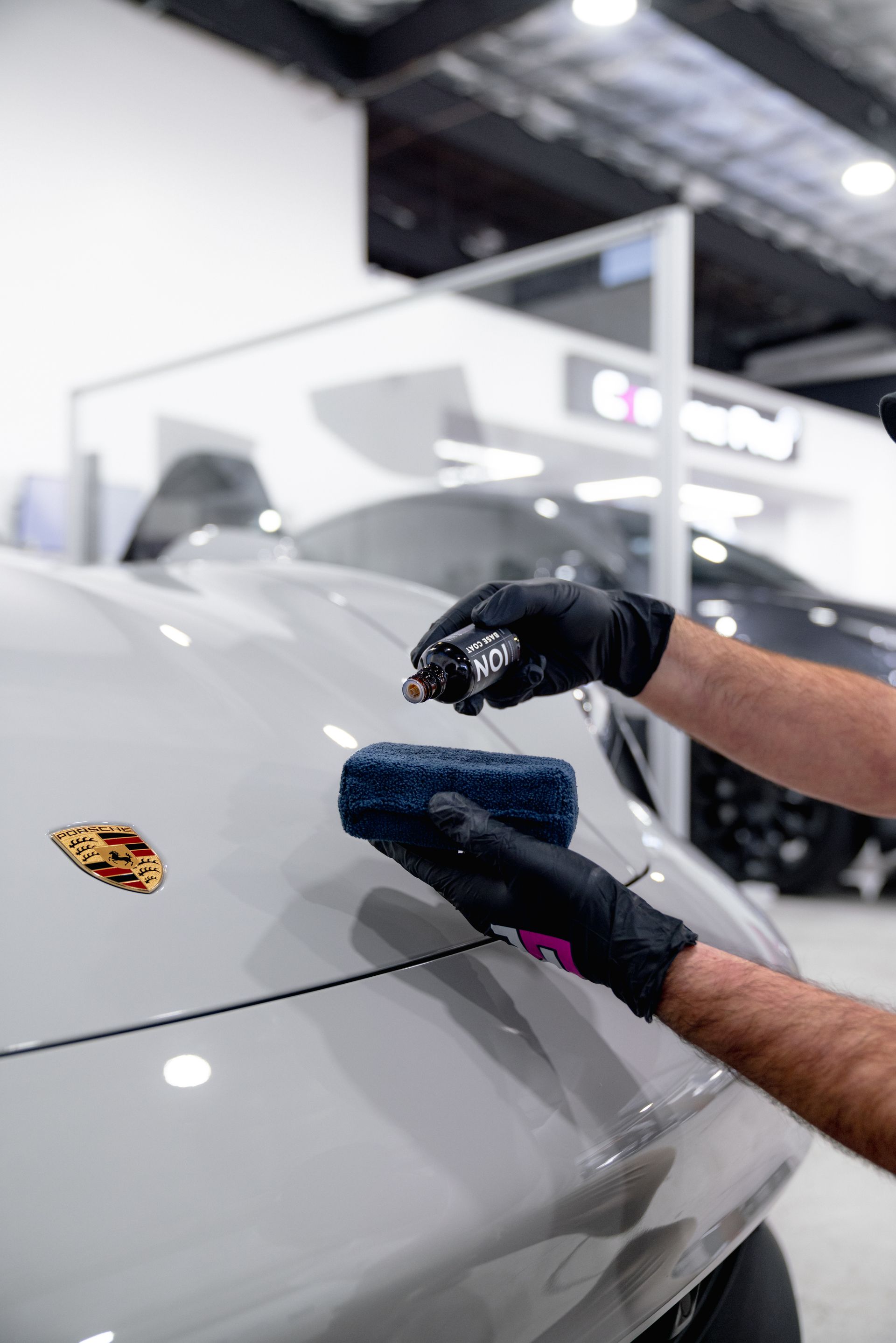
Apply a Compatible Maintenance Topper
A compatible topper may improve slickness and water behavior, but it does not repair a failed coating. Follow the installer's recommendations instead of layering unrelated products over the paint.
Schedule Professional Decontamination When Needed
Clay and other mechanical methods can remove bonded particles, but poor technique may create marring. Mechanical decontamination should be based on the vehicle's condition rather than performed on a fixed schedule.
Ceramic Coating Maintenance Best Practices
Wash according to driving conditions and contamination exposure. Many daily-driven vehicles benefit from washing every one to two weeks. Remove bird droppings, bug residue, tree sap, and sprinkler water promptly because ceramic coating provides resistance, not unlimited protection from etching.
Avoid brush-style automatic car washes and unclean towels. Use pH-neutral wash products unless the installer recommends a specific maintenance chemical. Dry the vehicle after washing to reduce mineral spotting, and follow any maintenance requirements connected to the coating warranty.
Ceramic coating can help the finish resist chemical contamination and minor wash-induced swirl marks, but it is not scratch-proof and does not prevent rock chips. Vehicle owners seeking protection from physical impacts should also consider paint protection film.
When Reduced Beading May Indicate a Worn Coating
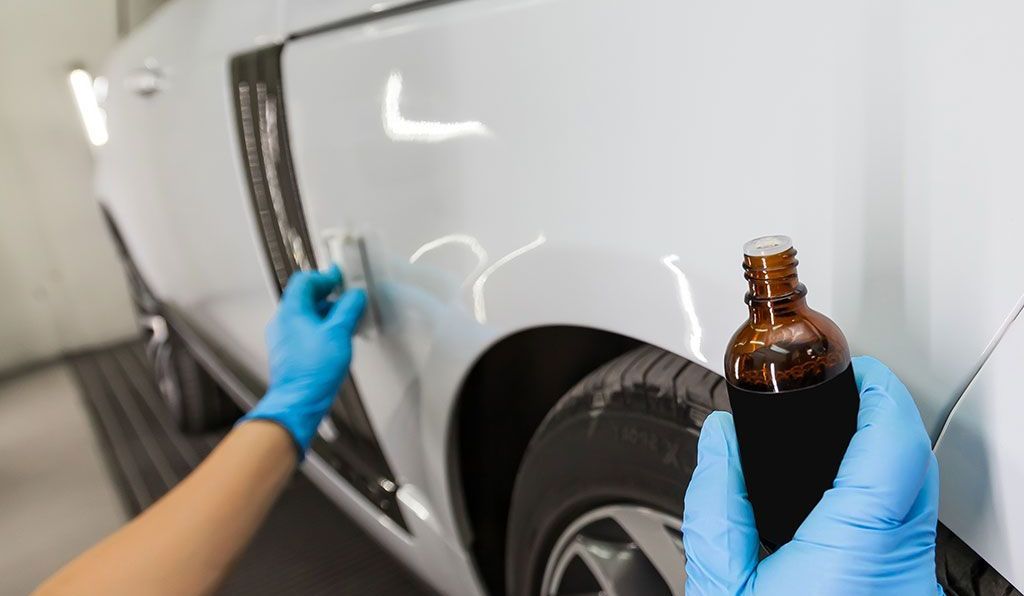
Reduced beading deserves closer attention when it remains flat or patchy after a proper wash and professional decontamination. A missed maintenance interval, aggressive washing, heavy wear, or a coating approaching the end of its expected service life may indicate reduced performance.
The solution may involve localized maintenance rather than full replacement. Polishing can remove the remaining coating along with a small amount of clear coat, so the paint should be evaluated before corrective work or reapplication is recommended.
Professional Ceramic Coating Care in Costa Mesa, CA
Proper ceramic coating care can help preserve gloss and simplify exterior maintenance for luxury vehicles, performance cars, electric vehicles, trucks, and daily commuters.
Platinum Plus Detailing has served vehicle owners since 2006 as a Ceramic Pro Elite detailer in Costa Mesa. Our team provides ceramic coating, paint protection film, and window tinting for clients throughout Costa Mesa, Newport Beach, Irvine, Huntington Beach, Fountain Valley, and nearby Orange County communities.
We can inspect the surface, identify whether contamination or wear is affecting performance, and recommend the appropriate next step without assuming your vehicle needs a complete reapplication.
Frequently Asked Questions
Does Reduced Beading Mean My Ceramic Coating Is Gone?
No. Dirt, mineral deposits, soap residue, oils, and temporary surface films can reduce beading while the coating remains bonded to the paint. Clean and inspect the surface before deciding that the coating has failed.
Is Water Sheeting a Bad Sign?
Not necessarily. Water that moves off the panel quickly may still indicate useful hydrophobic performance. Efficient water release and easier cleaning matter more than the shape of the droplets.
Can I Apply Wax Over a Ceramic Coating?
Some products may be compatible, but traditional wax can mask the coating's natural water behavior or leave residue. Use only products recommended for the installed coating or approved by the installer.
Keep Your Ceramic Coating Performing at Its Best
If your ceramic coating has stopped beading, let our team inspect the surface and recommend the appropriate maintenance or protection service.
Contact Platinum Plus Detailing at
(714) 614-1691 or request a personalized quote.