
Why Two Window Tints With the Same Darkness Can Look Completely Different
Two automotive window tints can have the same visible light transmission rating and still look noticeably different once installed. One may appear neutral and clear, while another may look blue, bronze, gray, reflective, or slightly hazy. Film construction, color tone, reflectivity, glass type, lighting conditions, and installation quality all affect the final appearance.
For vehicle owners in Costa Mesa and nearby Orange County communities, understanding these differences makes it easier to choose a film that matches both performance needs and appearance preferences.
Key takeaway: Visible light transmission measures how much visible light passes through tinted glass, but it does not fully describe color, clarity, reflectivity, heat rejection, or how the tint will look on a specific vehicle.
What Does Window Tint Darkness Mean?
Window tint darkness is commonly discussed using visible light transmission, or VLT. A higher VLT allows more visible light through, while a lower VLT creates a darker appearance.
The listed film percentage is only part of the final result. Factory glass may already have a color or level of light reduction. When film is installed over that glass, the combined result may appear darker than the film percentage alone suggests.
Why Tints With the Same VLT Can Look Different
1. Film Material and Construction
Automotive window films use different materials and layer structures. Dyed, carbon, ceramic, and metal-containing films interact with light differently.
A dyed film may create a warmer shade. Carbon-based films often produce a darker, more neutral appearance. Ceramic films are designed to provide strong heat rejection and optical clarity without relying on a highly reflective metal layer.
Material quality also affects color consistency and clarity across the glass.
2. Color Tone
Two films with the same VLT can have different undertones. One may appear charcoal or neutral black, while another may lean slightly blue, green, bronze, or purple under certain lighting.
These differences may be subtle indoors and more visible in direct sunlight. Paint color, interior color, and surrounding reflections can also shift the perceived tone. Compare actual samples on glass instead of choosing from a percentage or product photo alone.
3. Reflectivity
Reflectivity changes how much exterior light bounces off the window. A more reflective film may look lighter, shinier, or more mirror-like in bright conditions. A low-reflectivity film may look deeper and more natural.
Reflection changes throughout the day. Bright exterior light can increase daytime privacy, while interior lighting at night can make the cabin easier to see regardless of tint percentage.
4. Heat-Rejection Technology
Two films can have the same darkness while providing different levels of heat control. Advanced film construction can reduce infrared heat without requiring an extremely dark shade.
A lighter or more neutral-looking ceramic film may therefore provide better cabin comfort than a darker entry-level film. Darkness alone is not a reliable measure of heat rejection.
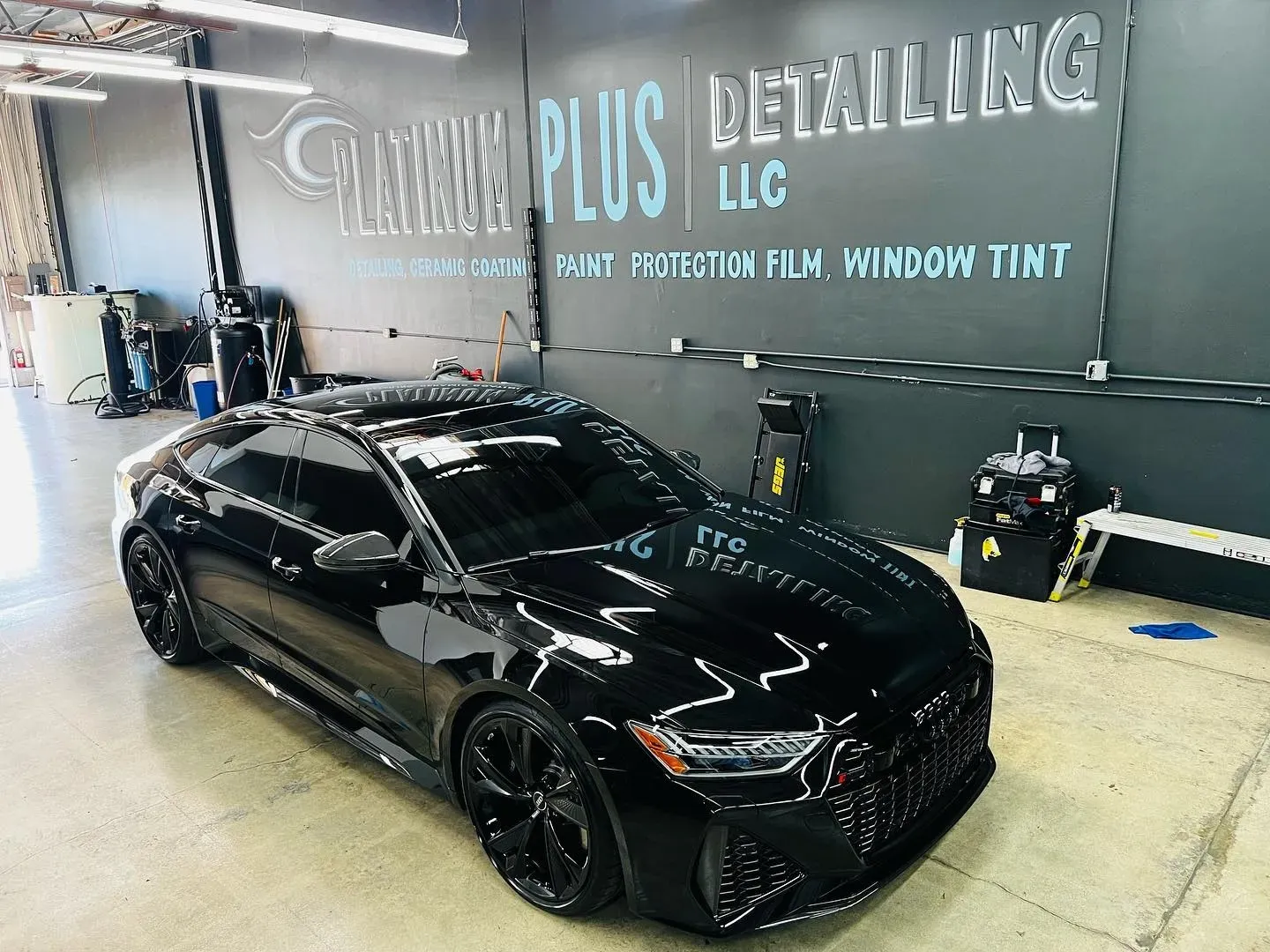
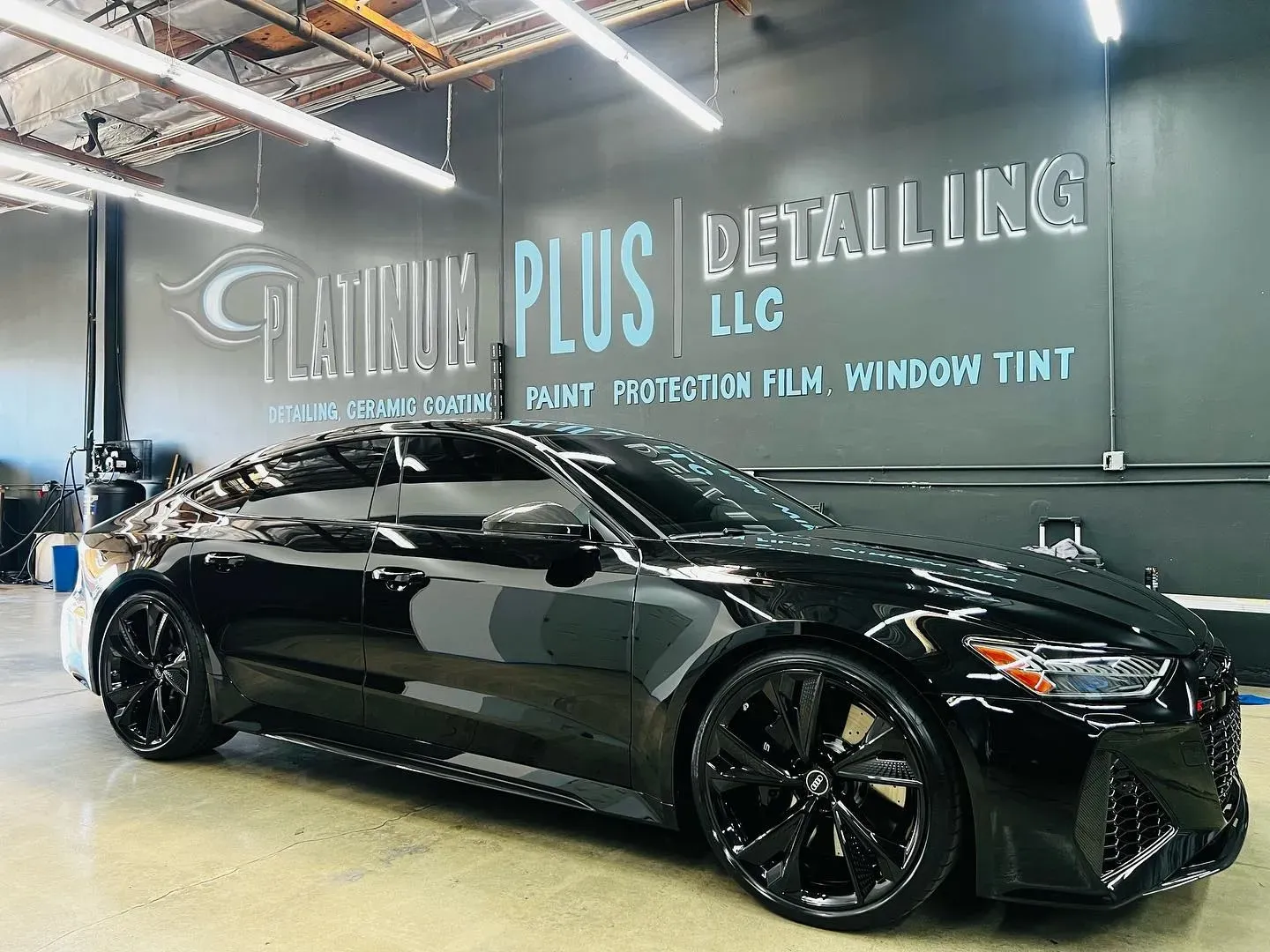
At Platinum Plus Detailing, we help clients compare darkness, heat rejection, clarity, and finish before installation.
5. Factory Glass and Vehicle Design
Automotive glass is not identical from one vehicle to another. Some rear windows include factory privacy glass, while front windows may be nearly clear. Glass can also have a slight factory color that changes the appearance of the installed tint.
Window size and angle matter as well. A steeply angled windshield or large glass panel may reflect more sky, making the tint appear lighter from certain viewpoints.
Interior color also plays a role. A light interior reflects more light toward the windows, while a dark interior can make the same tint appear deeper from outside.
6. Lighting and Viewing Angle
Window tint can look different in direct sun, shade, cloudy weather, indoor lighting, and nighttime conditions. It may also shift in appearance depending on whether it is viewed straight on or from an angle.
Photographs can be misleading because exposure, editing, reflections, and screen settings may not show the true shade. Physical samples provide a more reliable comparison.
How Film Quality Affects the Final Result
Film quality influences optical clarity, color consistency, durability, adhesive performance, and resistance to bubbling or discoloration.
Lower-quality film may look acceptable when first installed but develop fading, haze, edge failure, or color change over time. Premium film is designed to maintain a more consistent appearance and clearer view when installed and maintained correctly.
Film quality should be evaluated through performance specifications, manufacturer support, warranty coverage, and the installer’s experience. Darkness alone does not indicate whether a film will provide lasting clarity or comfort.
Why Professional Installation Matters
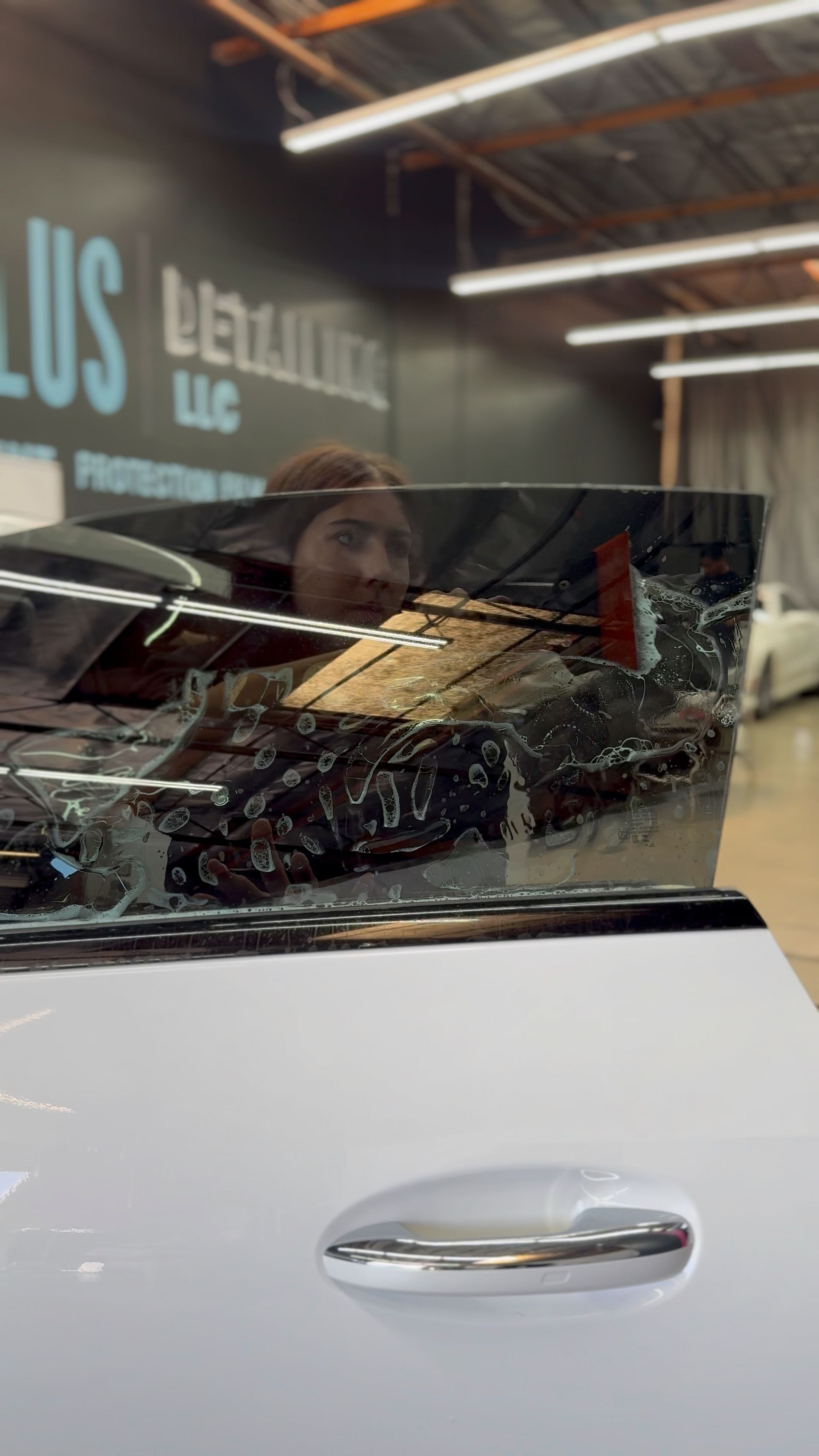
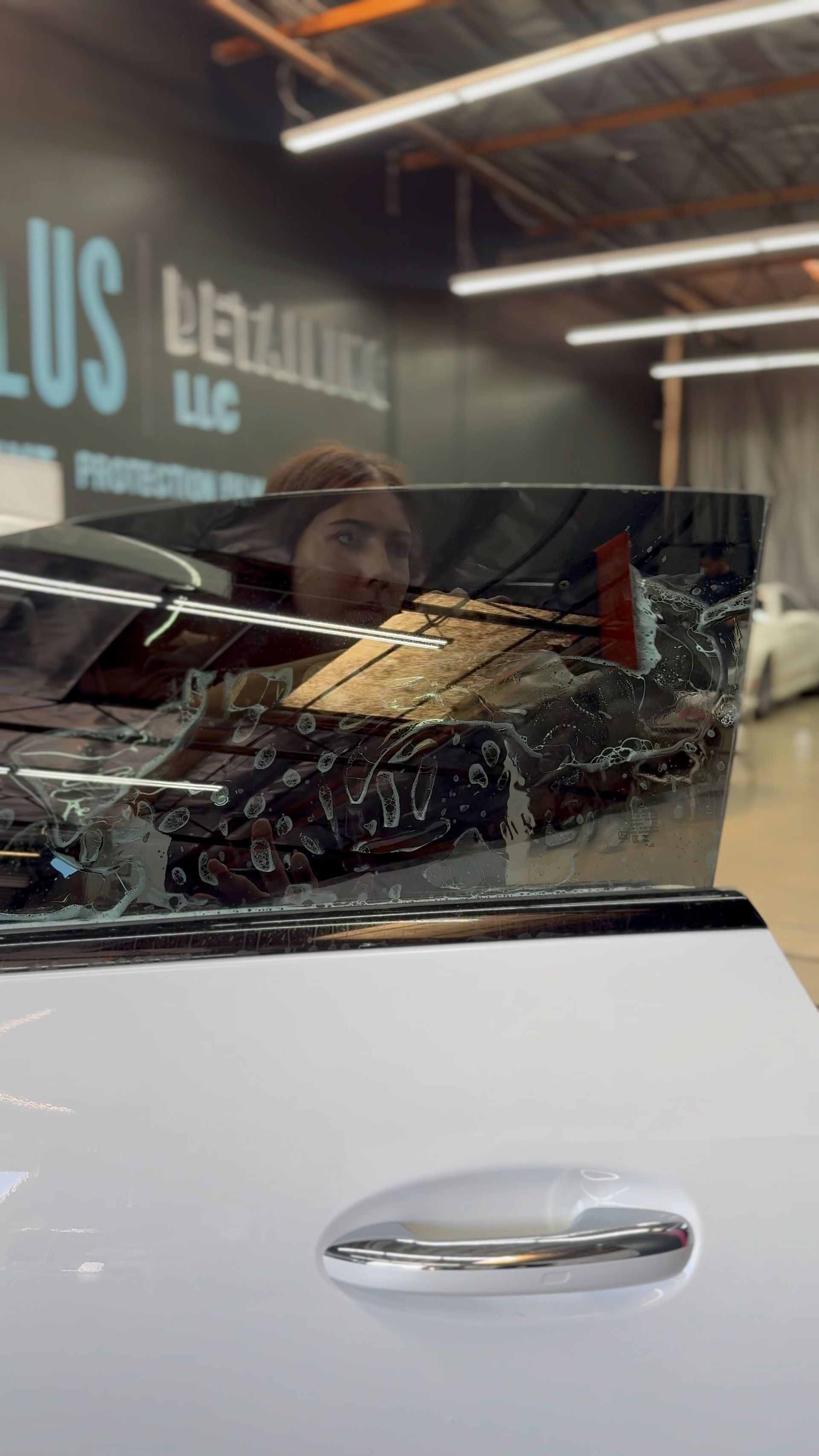
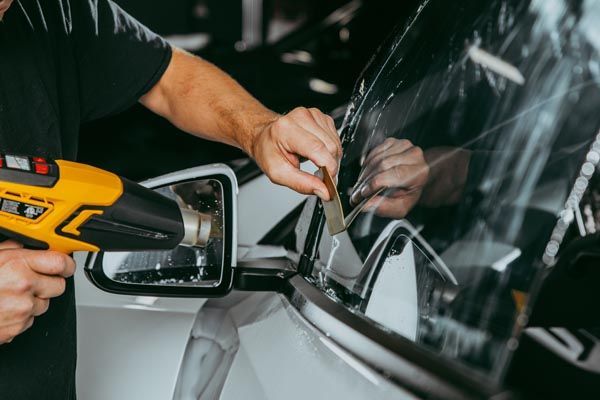
Even a high-quality film can look poor when the glass is not prepared correctly or the film is installed with contamination, creases, uneven edges, or trapped moisture.
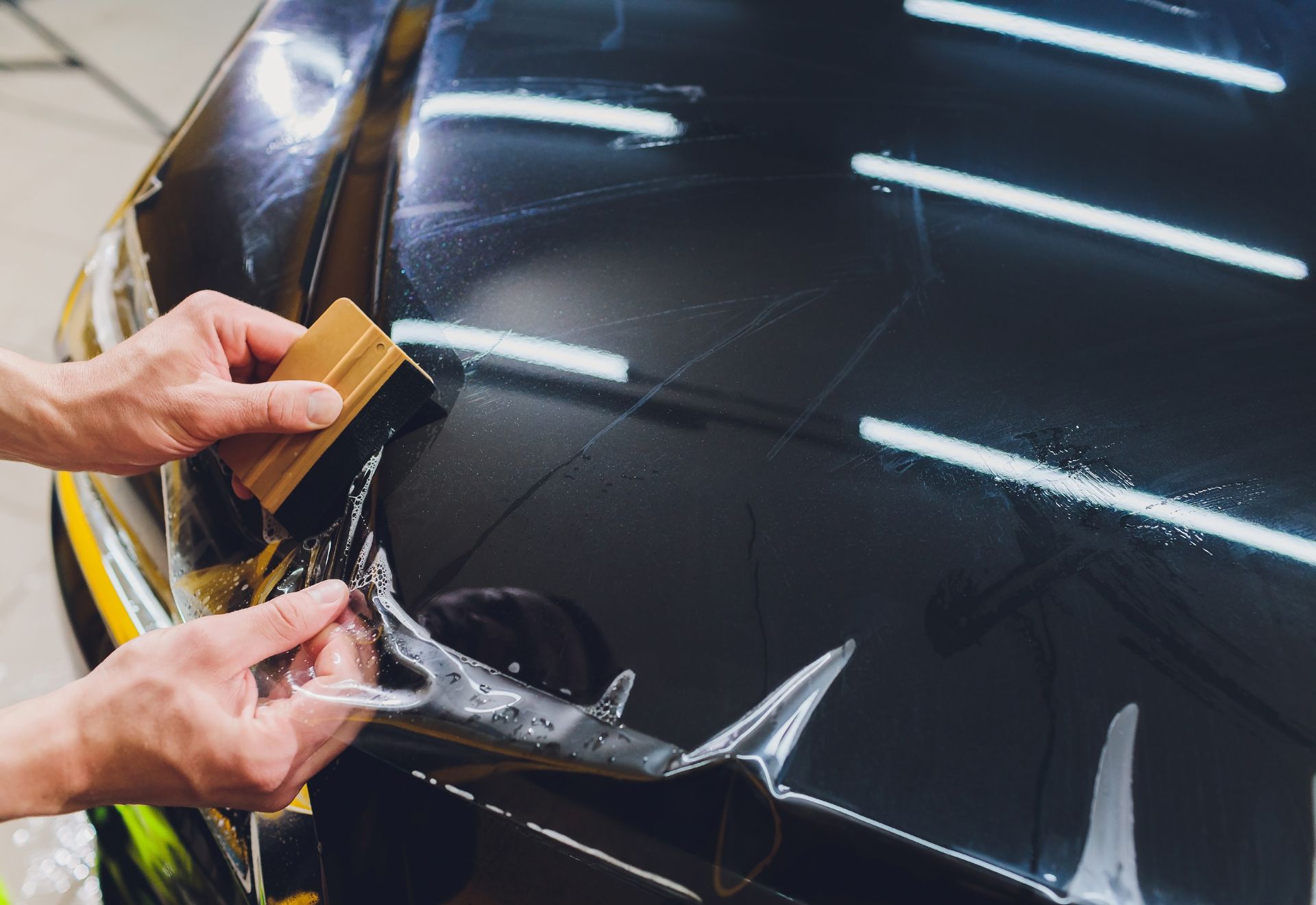
Professional installation includes cleaning the glass carefully, selecting the correct pattern, controlling the installation environment, and finishing the edges neatly. Some temporary moisture or light visual distortion may be present during curing, but it should improve as the film dries.
An experienced installer should explain what to expect after installation and how to clean the windows without damaging the film.
How to Choose the Right Window Tint
Start by identifying your main priorities. Some drivers want maximum heat rejection. Others care most about a neutral appearance, daytime privacy, glare reduction, or clear nighttime visibility.
Consider the following factors:
- Desired appearance and color tone
- Heat-rejection performance
- Optical clarity and reflectivity
- Vehicle glass and interior color
- Driving habits and nighttime visibility
- Current California window tint requirements
- Product warranty and installer support
The darkest option is not always the best choice. A professionally selected film can provide a refined look and improved comfort without making the vehicle unnecessarily dark.
Before making a decision, ask to compare film samples and performance specifications. This can help you understand how different products with similar VLT ratings may look and perform on your vehicle.
Professional Window Tinting in Costa Mesa, CA
Platinum Plus Detailing provides professional automotive window tinting for drivers in Costa Mesa, Newport Beach, Irvine, Huntington Beach, Fountain Valley, and nearby Orange County communities.
Our team helps vehicle owners compare film appearance, visible light transmission, heat rejection, and clarity before installation. We also provide ceramic coating and paint protection film for clients who want a more complete vehicle-protection plan.
Whether you drive a luxury vehicle, performance car, electric vehicle, truck, SUV, or daily commuter, we can recommend a window tint option that complements the vehicle and supports your comfort goals.
Frequently Asked Questions
Can Two 20 Percent Tints Look Different?
Yes. Differences in material, color tone, reflectivity, glass type, and lighting can make two films with the same VLT look noticeably different.
Does Darker Tint Always Reject More Heat?
No. Film technology plays a major role in heat rejection. A lighter ceramic film may outperform a darker basic film in cabin heat control.
Why Does My Tint Look Lighter in the Sun?
Bright exterior light increases reflections on the glass and can make the tint appear lighter or more reflective from certain angles.
Will Tint Look the Same on Every Vehicle?
No. Factory glass, interior color, window angle, and vehicle design can all change the final appearance.
Choose Window Tint Based on More Than Darkness
The right window tint should balance appearance, comfort, clarity, and practical performance.
Platinum Plus Detailing can help you compare film options and select a solution that fits your vehicle and driving needs.
Contact us at (714) 614-1691 or request a personalized quote.