Professional Tips to Improve Safety and Follow California Regulations
Driving at night already places greater demands on your vision. When window tint is added to the equation, those demands can increase if the film is not chosen correctly. While quality window tint helps reduce glare, interior heat, and UV exposure during the day, it can also affect how much light reaches your eyes after dark. This makes tint selection more than an appearance choice. It becomes a matter of safety, visibility, and legal compliance.
At
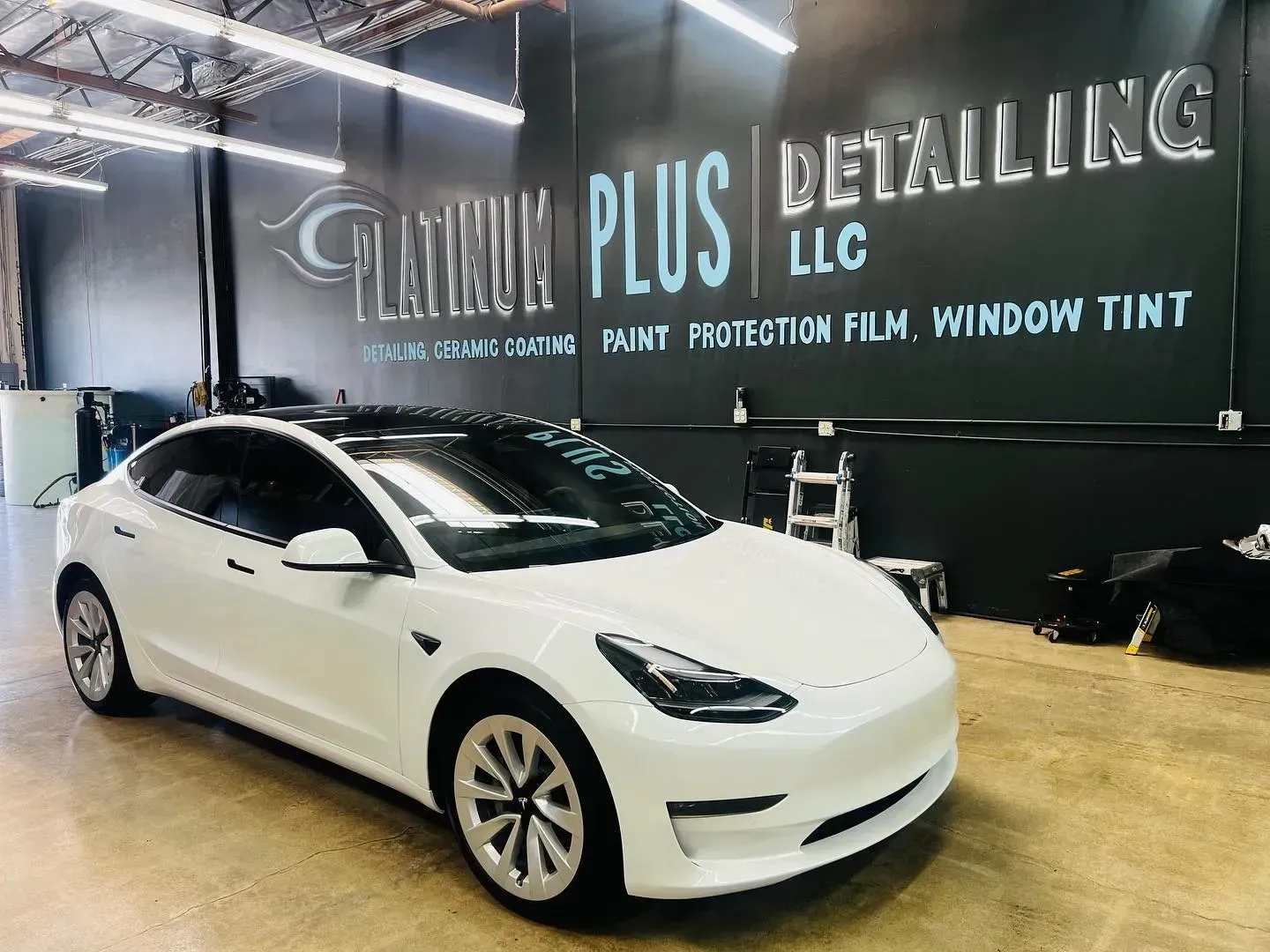
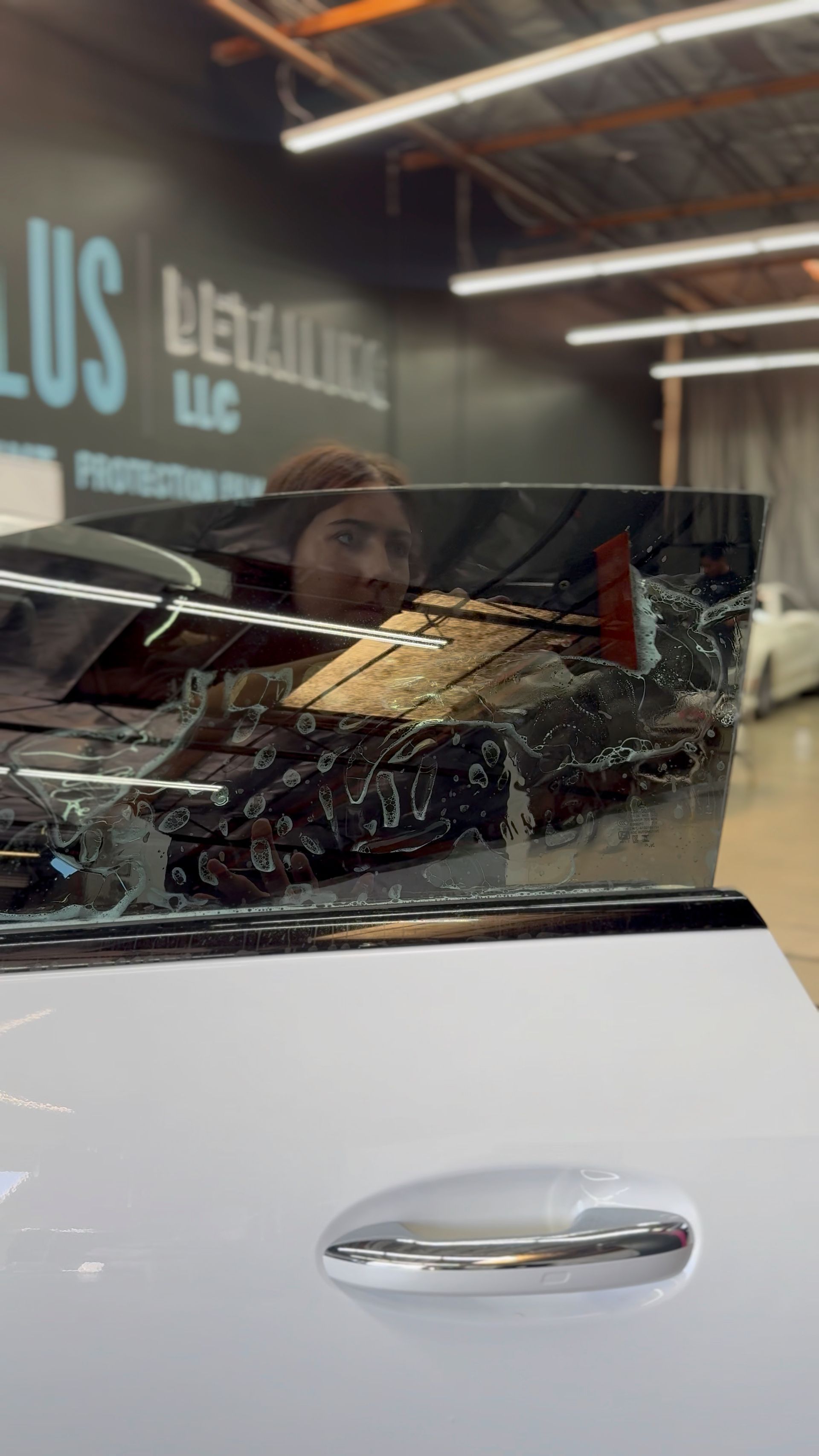
Platinum Plus Detailing in Costa Mesa, we help vehicle owners balance comfort, protection, and clarity by choosing window tint solutions that meet California regulations while still delivering premium performance. In this guide, we explain how window tint affects night driving, how California laws impact your options, and how to choose the right film for safe and confident driving after sunset.
How Window Tint Impacts Night Visibility
Window tint works by reducing the amount of visible light that passes through your vehicle’s glass. This is measured by Visible Light Transmission, or VLT, which is expressed as a percentage. The higher the VLT, the more light enters the vehicle. The lower the VLT, the darker the tint.
During daylight hours, darker tint can feel beneficial by blocking glare and reducing heat. At night, however, reduced light transmission can make it harder to identify road signs, pedestrians, cyclists, and unexpected obstacles. Your eyes must work harder to adjust to darker conditions, and that adjustment takes time.
The human eye typically needs 20 to 30 seconds to adapt when moving from bright to dim environments. If a tint blocks too much light, your eyes may struggle to adapt quickly, which can delay reaction times. Even small delays matter when driving at night, especially on residential streets or coastal roads with limited lighting, such as those found throughout Costa Mesa and nearby communities.
Understanding VLT Levels and Their Effect on Driving
Choosing the right VLT level is essential for both safety and compliance. Below is a practical breakdown of common tint levels and how they affect night driving:
- 70 percent VLT (30 percent darkness): Excellent night visibility and the legal minimum for front side windows in California. Offers glare reduction while maintaining clarity.
- 50 percent VLT: Good night visibility but darker in appearance. Suitable for rear windows only in California.
- 35 percent VLT: Noticeable reduction in night visibility. Common for rear windows where allowed.
- 20 percent VLT: Poor night visibility. Significantly limits light and is not recommended for driver-facing windows.
- 5 percent VLT: Severely restricts visibility at night and is unsafe for driving. Not legal for front windows.
For drivers who frequently travel after dark or through poorly lit areas, 70 percent VLT offers the best balance between comfort and visibility. This level allows sufficient light to enter the cabin while still reducing glare from headlights and streetlights.
Why Ceramic Window Tint Makes a Difference
Not all window tint films perform the same. Traditional dyed or metallic films often achieve heat reduction by absorbing visible light, which can darken the cabin significantly. Ceramic window tint uses advanced technology to block infrared heat without heavily reducing visible light.
This difference matters at night. Ceramic tint maintains superior clarity while still delivering excellent heat rejection, UV protection, and glare reduction. Many clients at Platinum Plus Detailing report that ceramic films at legal VLT levels feel nearly as clear as untinted glass after dark, especially when compared to traditional films.
For drivers who want performance without compromising night visibility, ceramic window tint is often the ideal solution.
California Window Tint Laws You Need to Know
California has some of the most strictly enforced window tint regulations in the country. These laws are designed to protect drivers, pedestrians, and law enforcement officers by ensuring adequate visibility.
Current California tint regulations include:
- Front side windows: Must allow at least 70 percent VLT.
- Front windshield: Tint is permitted only on the top four inches.
- Rear side windows: Any darkness level is permitted.
- Rear windshield: Any darkness level is permitted.
- Restricted colors: Red, amber, and yellow tints are prohibited.
Law enforcement officers may use light meters during traffic stops to measure tint darkness. A first offense can result in a citation, and repeat violations can lead to higher penalties. Medical exemptions do exist, but they require proper documentation and approval through the DMV.
Choosing a professional installer who understands these regulations helps ensure your vehicle remains compliant and avoids unnecessary legal issues.
Practical Tips to Improve Night Driving Safety with Tint
Choosing the correct tint is only part of the equation. Maintaining visibility after dark requires attention to several additional factors:
- Keep windows clean: Smudges, dust, and residue on tinted glass further reduce light transmission. Regular professional cleaning of both interior and exterior glass improves clarity.
- Maintain headlights and interior lighting: Dim or misaligned headlights reduce visibility and increase eye strain. Proper lighting works together with quality tint to improve nighttime driving comfort.
- Monitor auto-dimming mirrors: When combined with window tint, auto-dimming mirrors may reduce visibility more than intended. Make sure side mirrors still allow you to clearly see adjacent vehicles, cyclists, and pedestrians.
- Test your comfort level: Before committing to a tint level, simulate reduced visibility by wearing lightly tinted sunglasses during a short evening drive in a safe area. This helps you gauge how your eyes respond.
Drivers with any concerns about night vision should prioritize lighter, legal tint levels and high-clarity ceramic films.
Real-World Insights from Drivers and Industry Data
Industry research and driver feedback consistently show a relationship between darker window tint and increased difficulty driving at night. Studies and driver surveys indicate that front window tint below California’s legal minimum correlates with slower reaction times and reduced confidence after dark.
By contrast, drivers using legal tint levels around 70 percent VLT frequently report reduced glare without noticeable loss of visibility. Ceramic films further enhance this experience by improving clarity while maintaining heat and UV protection.
These insights reinforce why California regulations exist and why professional guidance matters when selecting window tint for daily driving.
Protect Your Vehicle with Professional Window Tinting
Your vehicle is a significant investment, and protecting it requires more than just selecting a tint shade. Professional installation, premium materials, and strict adherence to California law all play a role in long-term satisfaction and safety.
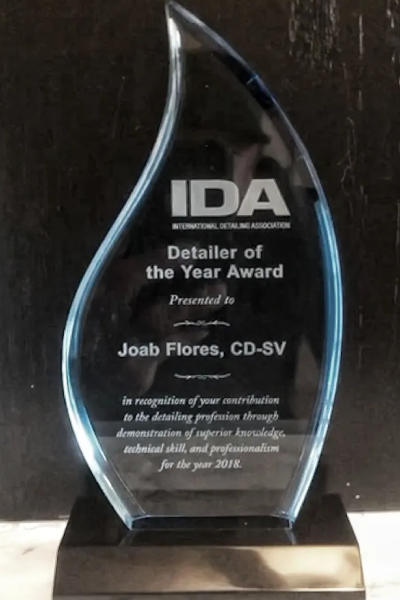
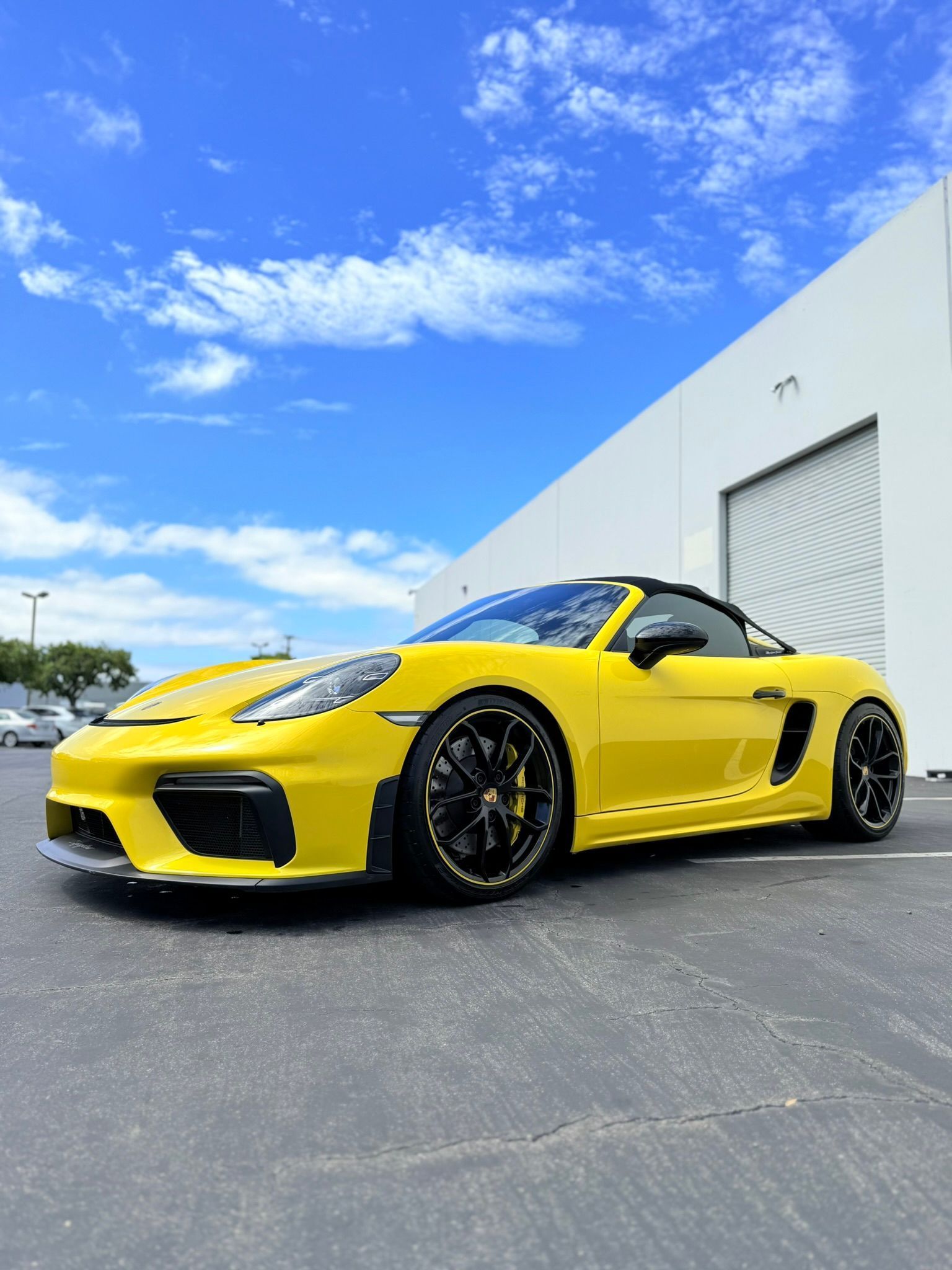
At Platinum Plus Detailing, we specialize in ceramic window tint solutions that combine performance, clarity, and legal compliance. Our certified technicians have extensive experience working with luxury and performance vehicles, including Tesla, Porsche, BMW, and Mercedes-Benz models.
Why choose Platinum Plus Detailing:
- Certified installation of premium ceramic window films
- Full compliance with California tint regulations
- Superior heat rejection, UV protection, and glare reduction
- Meticulous installation standards for high-end vehicles
We proudly serve Costa Mesa and surrounding areas, including Newport Beach, Irvine, Huntington Beach, and Fountain Valley.
If you are considering window tint for your vehicle and want to ensure safe night driving without compromising comfort or style,
contact Platinum Plus Detailing today to schedule a professional consultation.