
Factory Tinted Glass vs. Window Tinting: What Costa Mesa Drivers Should Know
Many drivers assume factory tinted glass and aftermarket window tinting are basically the same because both make windows look darker. In reality, they serve very different purposes. If your main goals include heat reduction, UV protection, glare control, and privacy, the differences matter more than most people realize.
For Costa Mesa and Orange County drivers, window tinting is more than an appearance upgrade. With year-round sun, coastal glare, and heavy commuting routes like the 405 and 55, proper window film can improve comfort, protect your interior, and enhance your driving experience.
This guide explains the differences between factory tinted glass and aftermarket window tinting, outlines the types of window films available, and helps you decide which option is right for your vehicle.
What Is Factory Tinted Glass?
Factory tinted glass is created during the manufacturing process. The tint is built into the glass itself using dyes or pigments, meaning the glass is naturally darker before it ever reaches your vehicle.
Factory tint is most common on rear windows and often comes standard on SUVs, trucks, and many newer vehicles. While it may provide some privacy and reduce brightness, it typically does not offer the advanced protection benefits that aftermarket window tint film can provide.
Key takeaway
Factory tint changes the appearance of the glass, but it is not designed as a performance product for UV and heat rejection.
What Is Aftermarket Window Tinting?
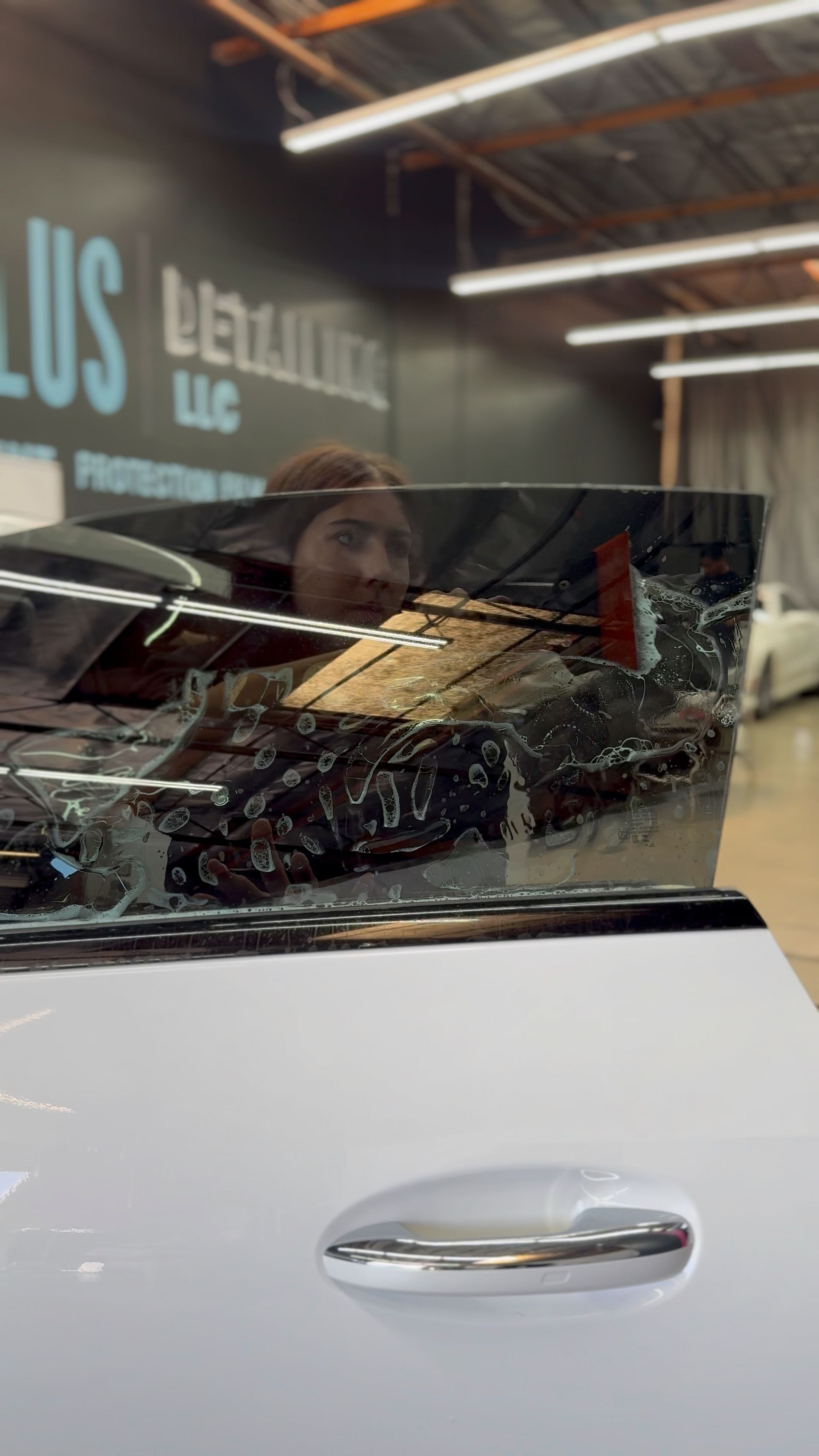
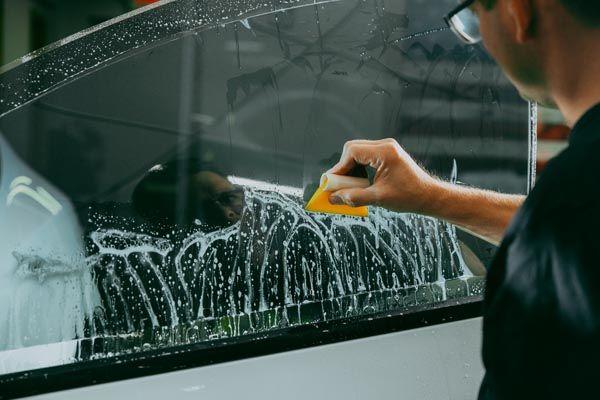
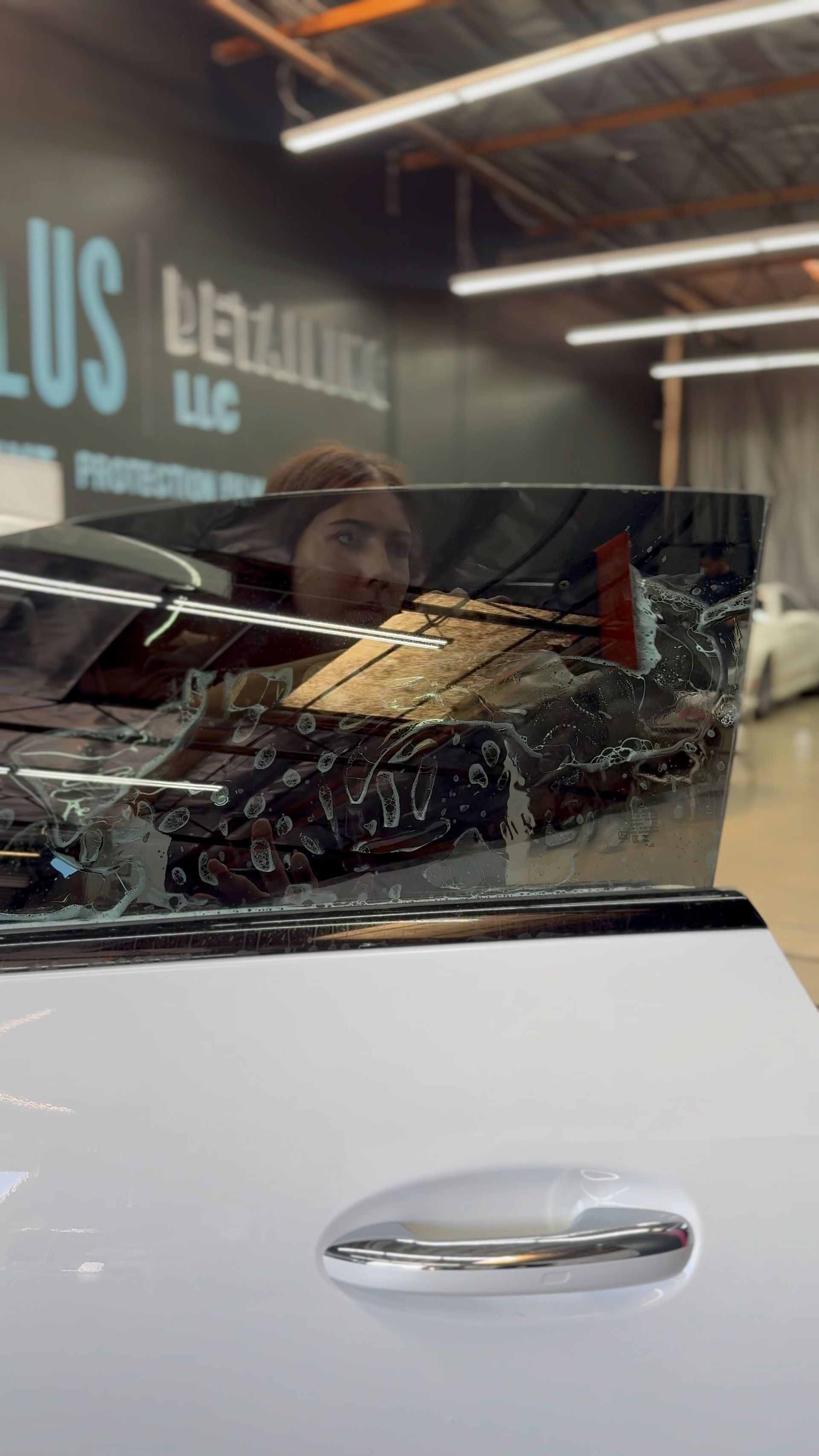
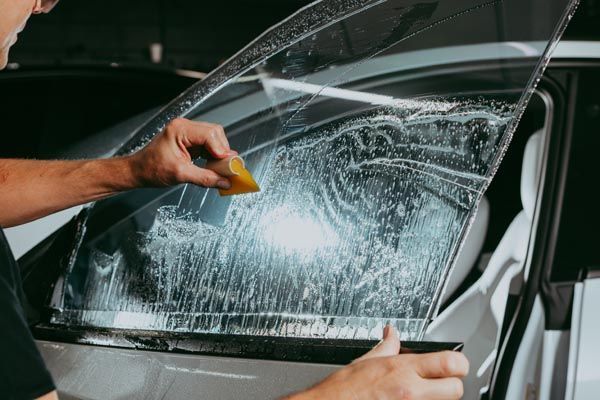
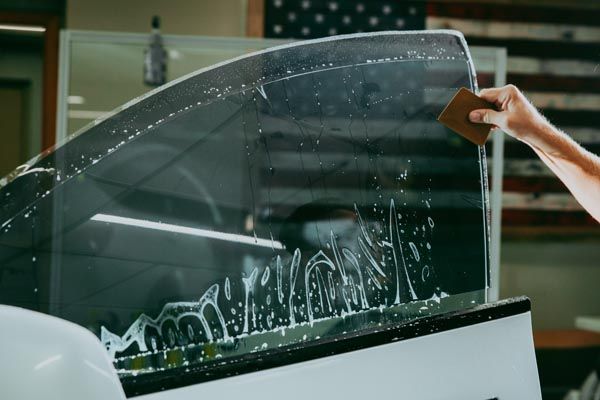
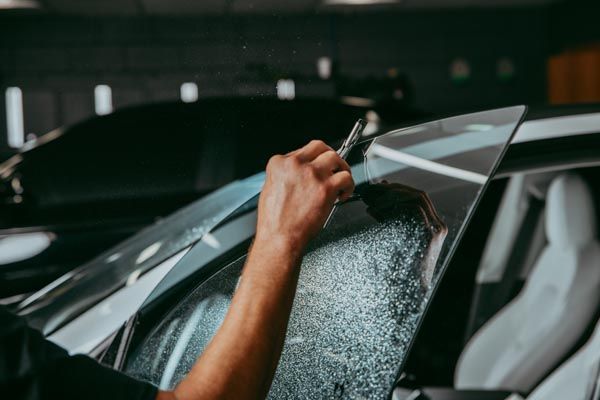
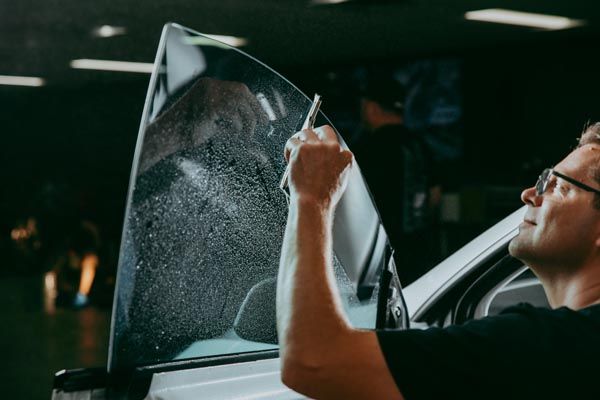
Aftermarket window tinting involves applying a specialized film to the inside of your vehicle’s windows. These films are engineered to improve comfort and protection while also offering greater customization options.
Depending on the type of film, window tinting can help:
- Reduce interior heat buildup
- Improve UV protection
- Reduce glare and eye strain
- Increase privacy and security
- Protect upholstery and dashboards from fading
Aftermarket window film can also be selected based on your preferred shade level and performance goals, making it a much more flexible solution than factory tinted glass.
Key Differences: Factory Tint vs. Window Tint Film
1) UV Protection
Factory tinted glass may offer limited UV protection, but it is not consistently engineered for high-level UV rejection. Many modern window films are designed specifically to reduce UV exposure, which can help protect both your interior surfaces and your skin during long drives.
For Orange County drivers who spend time in traffic, UV protection is often a major benefit, especially in bright, sunny conditions.
2) Heat Rejection
Factory tint does not significantly reduce heat because it does not contain the same technology as high-performance films. Many window films, especially ceramic or carbon-based films, are designed to reject heat more effectively and improve cabin comfort.
In Costa Mesa summers, this can make a noticeable difference, especially for vehicles parked outdoors or used for commuting.
3) Glare Control
Both factory tinted glass and window film can reduce brightness, but tint film typically offers more consistent glare reduction, particularly when chosen at the right visible light transmission level.
This is especially helpful when driving west in the late afternoon, when coastal glare can be intense along nearby highways and surface streets.
4) Customization and Appearance
Factory tint offers no flexibility. You get whatever the manufacturer provides. Aftermarket tint allows you to choose:
- Shade level
- Film type
- Performance level
- Aesthetic preferences
If you want a cohesive, uniform tint across all windows, aftermarket film is the best solution.
5) Privacy and Security
Factory tint provides some privacy, especially in rear windows, but tint film can improve privacy across the entire vehicle. It can also help hold shattered glass together during an accident or attempted break-in, which adds a layer of security.
Types of Window Tint Films
Not all window tint films perform the same, and choosing the right one depends on your comfort goals, budget, and vehicle type.
Dyed Film
Dyed tint is a basic option that darkens windows and provides some glare reduction. It may fade over time and offers limited heat rejection compared to higher-performance films.
Best for: drivers mainly looking for a darker look on a budget.
Metalized Film
Metalized tint includes metallic particles that reflect heat. It offers improved performance compared to dyed film, but it can interfere with GPS signals, cell reception, and other electronics.
Best for: drivers who want moderate heat reduction but do not rely heavily on in-car connectivity.
Carbon Film
Carbon film is known for better heat rejection than dyed film and a matte, premium finish. It is less likely to fade and does not typically interfere with electronics.
Best for: drivers who want performance and a clean appearance at a mid-range price.
Ceramic Film
Ceramic tint is one of the most premium options available. It is designed to deliver excellent heat rejection, strong UV protection, and glare reduction without affecting electronic signals. It also tends to have better clarity than lower-tier films.
Best for: drivers who want the highest performance, especially in sunny climates like Costa Mesa.
Legal Considerations in California
California window tint laws set restrictions on how dark your tint can be, especially on front windows. These rules are enforced to maintain visibility and safety.
In general:
- Front side windows must allow a higher level of visible light transmission.
- Windshields can only have tint in specific upper areas.
- Rear windows often allow more flexibility, especially for SUVs and trucks.
Because regulations can vary by vehicle type and can change over time, it is important to work with a professional installer who understands California tint rules and can guide you toward compliant options.
Performance Benefits That Matter in Costa Mesa
Window tinting can make everyday driving more comfortable and protect your vehicle long-term, especially in coastal Southern California.
Interior Protection
Sun exposure can cause dashboards, leather seats, and interior trim to fade and crack. Tint film helps reduce UV exposure, which supports better long-term preservation.
Cooler Cabin Temperatures
High-performance tint helps reduce heat buildup, which can improve comfort during summer and reduce strain on your air conditioning system.
Improved Driving Comfort
Tint helps reduce glare from sunlight and headlights, which improves driving visibility and reduces eye strain.
Enhanced Privacy
Tint can prevent outsiders from seeing valuables inside the vehicle and offers a cleaner, more private look.
Why Professional Installation Makes a Difference
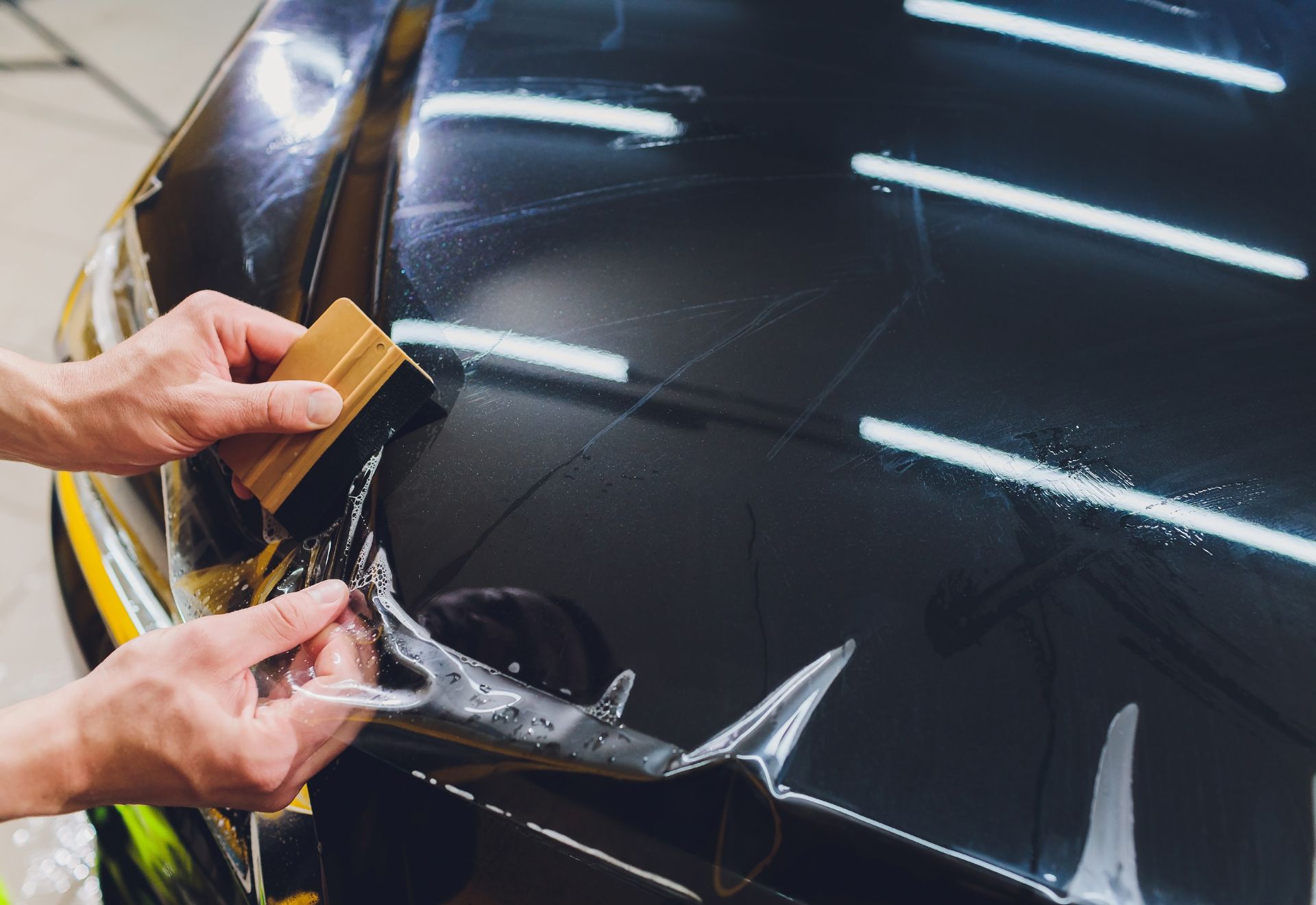
Proper installation directly impacts tint appearance, durability, and performance.
Professional installers help ensure:
- Clean, bubble-free application
- Smooth edges and precision cuts
- Proper curing and long-lasting results
- Compliance with California tint laws
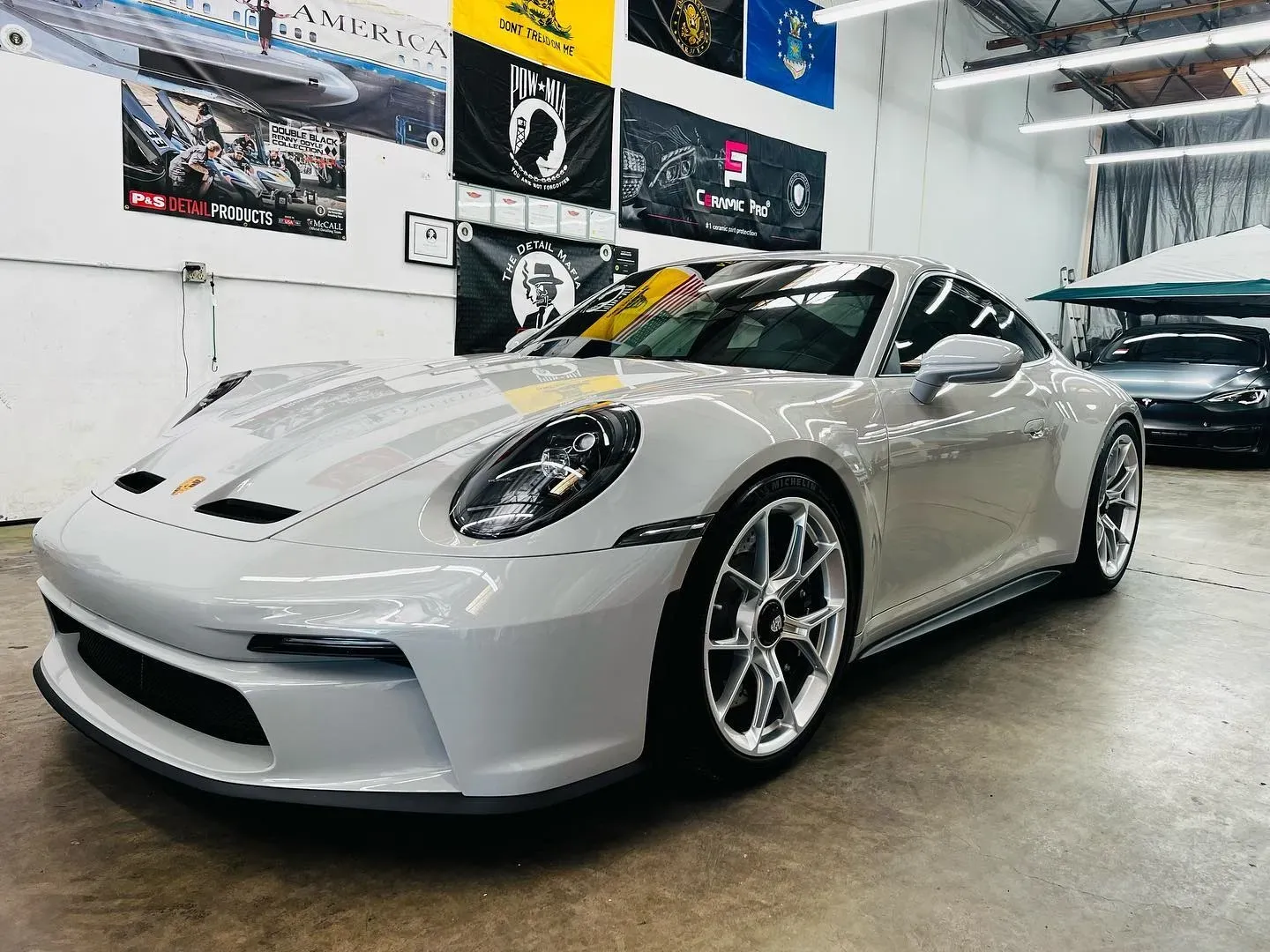
At Platinum Plus Detailing, window tint installations are performed with attention to detail and premium standards, ensuring your vehicle looks refined and stays protected.
How to Choose the Right Tint for Your Vehicle
Before selecting tint, ask yourself:
- Do you want maximum heat rejection?
- Is UV protection your priority?
- Do you need clarity for nighttime driving?
- Do you want a uniform look across all windows?
- Are you looking for the best long-term durability?
For most Costa Mesa drivers, ceramic tint is often the top choice for performance and comfort. However, carbon film can also provide excellent value for drivers who want strong heat reduction and a clean, premium finish.
Schedule Window Tinting in Costa Mesa With Platinum Plus Detailing
Factory tinted glass may change the appearance of your windows, but it is not designed to deliver the same level of performance as professional window tint film. If you want better heat control, UV protection, glare reduction, and long-term comfort, aftermarket window tinting is the best solution.
Platinum Plus Detailing provides professional window tint installation for Costa Mesa drivers who want high-quality results and a premium experience.
Call (714) 614-1691 for a free consultation or visit our contact page.
Serving Costa Mesa, Fountain Valley, Huntington Beach, Irvine, Newport Beach, Laguna Beach, Santa Ana, Orange, Tustin, and surrounding Orange County areas.