Protect Your Investment: How to Fix and Prevent Ceramic Coating Failure
August 31, 2026

Your vehicle is a major investment, and its protective coatings play a critical role in maintaining both appearance and long-term value. Services like ceramic coating, paint protection film (PPF), and window tinting are designed to shield your vehicle from environmental damage, daily wear, and premature aging. However, even premium coatings can fail without proper installation, maintenance, and care.


At Platinum Plus Detailing, we have spent more than 20 years protecting high-end and luxury vehicles throughout Orange County, including Costa Mesa and surrounding coastal communities. Coating failure is more than a cosmetic issue. Left untreated, it can expose your vehicle to corrosion, fading, and costly paint repairs. This guide explains how coating failure happens, how to spot early warning signs, and what steps you can take to repair damage and prevent future issues.


Key Takeaway:


To fix coating failure, the affected surface must be thoroughly cleaned, all damaged material removed, and a compatible repair coating properly applied. Preventing future failure requires professional surface preparation, selecting the right coating system for your environment, and following a consistent maintenance schedule.

Understanding Common Causes of Coating Failure

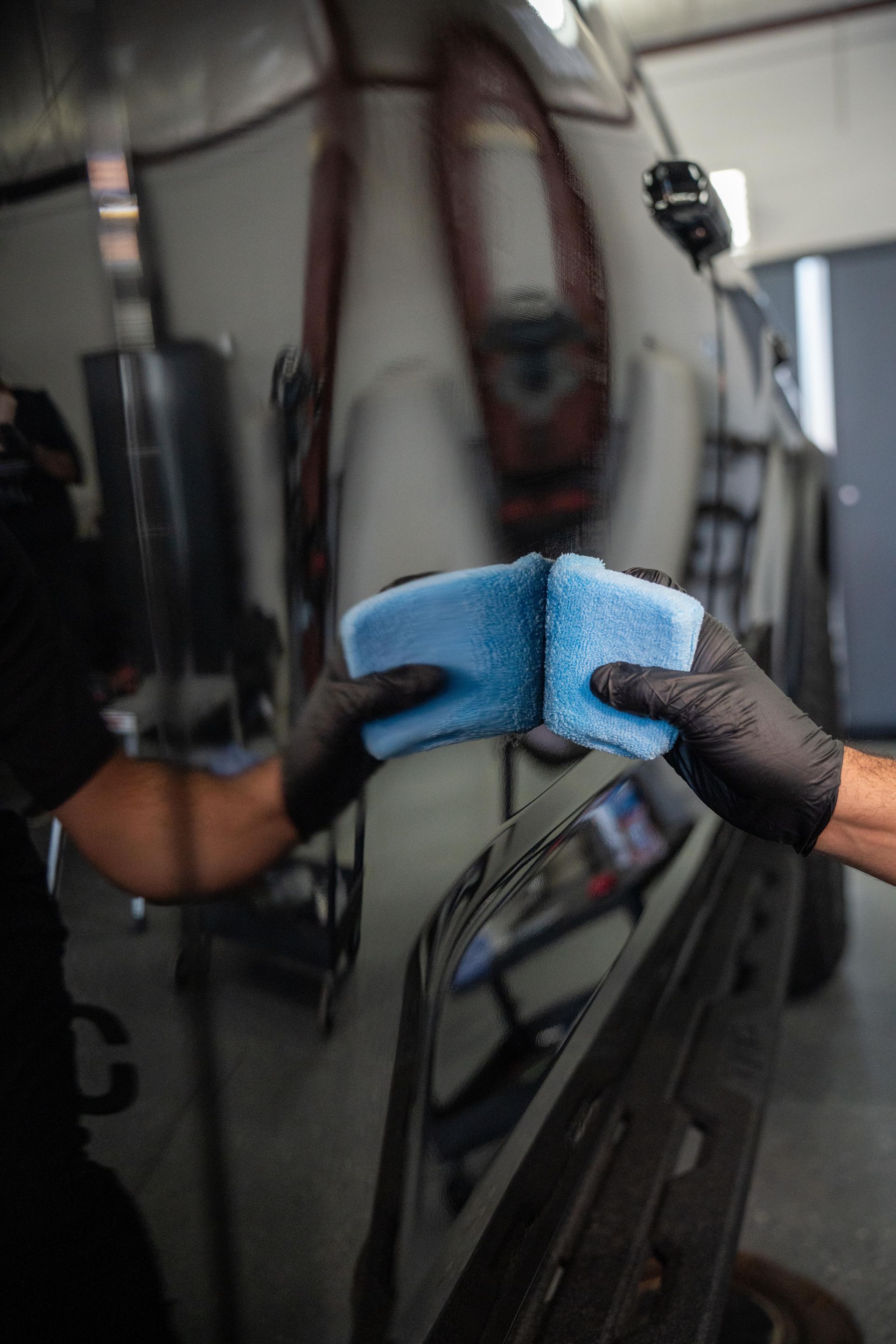
Two gloved hands holding a blue polishing pad against a glossy car panel in a garage

Poor Surface Preparation

Inadequate surface preparation is the leading cause of coating failure. Coatings require a clean, stable surface to bond correctly. Dirt, grease, wax residue, oxidation, and microscopic contaminants can all interfere with adhesion. When coatings do not bond properly, they are far more likely to peel, crack, or fail prematurely.


Professional installers use multi-step decontamination processes, paint correction, and controlled environments to ensure coatings adhere correctly. Skipping or rushing this step significantly increases the risk of early failure.

Environmental Factors in Coastal Southern California

Vehicles in Costa Mesa and nearby coastal areas face unique environmental stressors that accelerate coating wear.

1. UV Exposure

Southern California sunlight is intense and consistent year-round. Prolonged UV exposure breaks down coating binders, leading to fading, discoloration, and surface chalking. High-quality ceramic coatings with UV inhibitors are essential for long-term protection.

2. Moisture and Salt Air

Coastal humidity and salt carried in ocean air can penetrate microscopic coating defects. Over time, this can cause blistering, bubbling, and corrosion beneath the surface. Vehicles parked outdoors or near the coast are especially vulnerable.

3. Chemical Contaminants

Bird droppings, tree sap, road grime, and harsh cleaning products can degrade coatings when not removed quickly. Extremely acidic or alkaline substances weaken protective layers and create entry points for moisture.

Application Errors That Lead to Ceramic Coating Failure

Even with proper preparation and favorable conditions, application mistakes can undermine coating performance.

1. Cracking and Flaking

Multi-component coatings require precise measurements. Improper ratios can prevent full curing, resulting in soft, brittle, or uneven finishes.


2. Improper Coating Thickness

Applying coatings too thin reduces protection. Applying them too thick can trap solvents and cause cracking as the coating cures.

3. Poor Curing Conditions

Temperature and humidity must remain within manufacturer specifications during application and curing. High humidity or temperature fluctuations weaken chemical bonds and shorten coating lifespan.

At Platinum Plus Detailing, all coatings are applied in controlled environments using precise measurement and curing protocols to ensure maximum durability.

How to Identify Early Signs of Coating Damage

Early detection can prevent minor coating issues from turning into major repairs.

1. Cracking and Flaking

Small cracks allow moisture and contaminants to penetrate the coating. These issues often appear on high-impact areas like hoods, mirrors, and front bumpers.

2. Blistering or Bubbling

Raised bubbles indicate trapped moisture or chemical reactions beneath the coating. This type of damage requires immediate attention.

3. Texture Changes

A rough or gritty surface where the coating was once smooth suggests the protective barrier is breaking down.

4. Soft or Sticky Areas

Tackiness indicates improper curing or moisture contamination within the coating layers.

5. Rust Development

Rust spots appearing beneath PPF or ceramic coatings confirm corrosion has begun. This requires professional intervention as soon as possible.

6. Color Changes

Subtle fading or discoloration often appears before visible cracking. This is a common sign of UV-related degradation.

7. Inspection Recommendation

Perform monthly visual checks, quarterly hands-on inspections, and schedule annual professional evaluations. Documenting changes helps identify patterns and address issues early.

Professional Repair Process for Coating Failure

Preventative care is the most effective way to extend coating lifespan and protect your investment.

1. Monthly Visual Inspections

Check for peeling edges, cracks, blistering, or discoloration.

2. Quarterly Texture Checks

Lightly run your hand over coated surfaces to identify roughness or soft spots.

3. Annual Professional Evaluations

Specialized tools can detect early adhesion loss or microscopic damage invisible to the naked eye.

4. Topcoat Renewal

Reapplying protective topcoats every three to five years restores UV protection and hydrophobic performance.

5. Environmental Protection

Whenever possible, garage your vehicle or use covered parking. Regular freshwater rinses help remove salt deposits from coastal exposure.

6. Immediate Damage Response

Address chips, scratches, or chemical contamination within 48 hours to prevent moisture intrusion beneath the coating.

Consistent maintenance significantly reduces long-term repair costs and extends coating lifespan.

Choosing the Right Ceramic Coating for Your Vehicle

Not all vehicles or driving habits require the same level of protection.

1. Ceramic Coatings

Ideal for UV resistance, gloss enhancement, and ease of maintenance. Best for daily drivers exposed to sun and environmental contaminants.

2. Paint Protection Film

Provides superior defense against rock chips, road debris, and chemical etching. Ideal for high-impact areas and luxury vehicles.

3. Window Tinting

Reduces interior heat, blocks UV rays, and protects interior surfaces while improving comfort and appearance.

At Platinum Plus Detailing, we help vehicle owners in Costa Mesa select the ideal protection based on driving habits, storage conditions, and long-term goals. As a certified Ceramic Pro Elite dealer, we offer industry-leading ceramic coatings, self-healing PPF, and premium window tint solutions installed by trained professionals.

Protect Your Vehicle with Platinum Plus Detailing

Protective coatings are essential to preserving your vehicle’s appearance, value, and longevity. Whether you are repairing existing damage or investing in preventative protection, professional installation and maintenance make all the difference.


Platinum Plus Detailing is a family-owned business trusted by luxury vehicle owners throughout Costa Mesa and Orange County. Our team combines advanced coating technologies with meticulous application and personalized service to deliver consistent, long-lasting results.


Ready to protect your investment?


Contact Platinum Plus Detailing today at
(714) 614-1691 or request a free consultation at
www.platinumplusmobiledetailing.com


Serving Costa Mesa, Fountain Valley, Huntington Beach, Irvine, Laguna Beach, Newport Beach, and surrounding areas.

Recent Posts

Yellow sports car parked outside a white building under a blue sky
August 31, 2026
Learn why window tints with the same darkness can differ in color, clarity, heat rejection, and reflectivity. Explore window tinting in Costa Mesa.
White Tesla sedan in a showroom with a “Detailing LLC” sign on the wall
August 31, 2026
Learn how PPF thickness affects appearance, flexibility, installation, and paint protection. Explore professional PPF options with Platinum Plus Detailing.
Blue off-road SUV in a garage with a Platinum Plu logo on the wall
August 31, 2026
Ceramic coating stopped beading? Learn the causes, safe maintenance steps, and when to request professional ceramic coating care in Costa Mesa, CA.
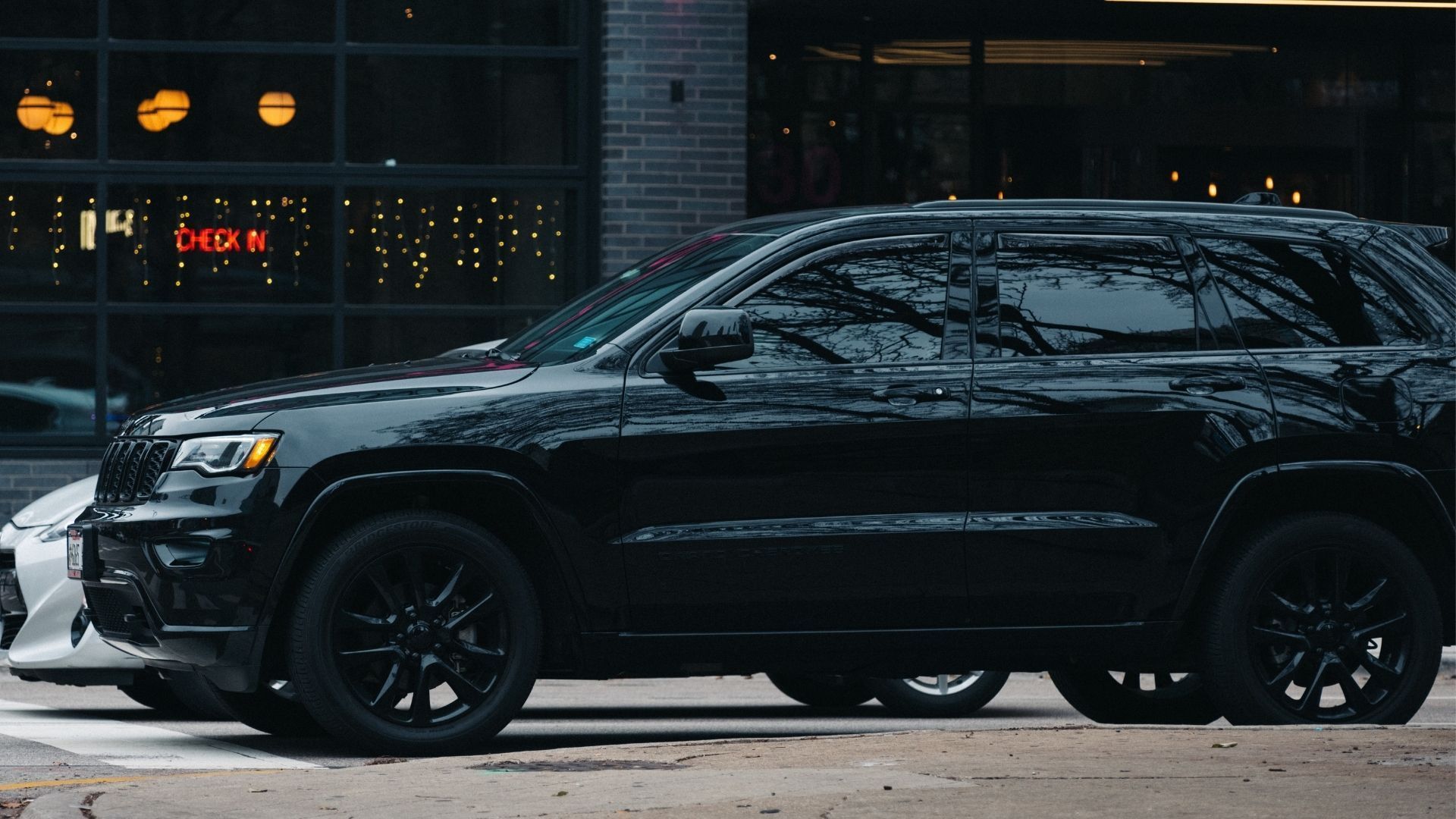
Black SUV parked on a wet city street in front of lit storefront windows
August 31, 2026
Learn if darker tint blocks more heat and how ceramic window tint improves comfort, UV protection, and glare. Call Platinum Plus Detailing today.
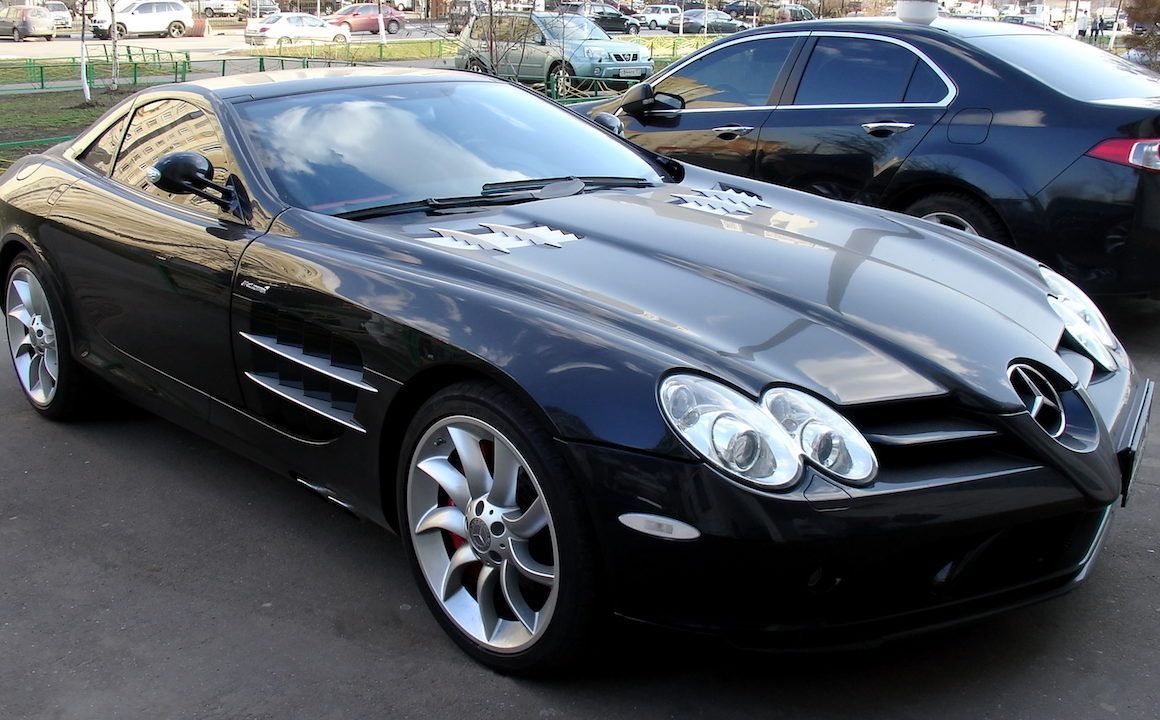
Black Mercedes-Benz coupe parked outdoors in a lot, shown from the front-left angle
August 31, 2026
Learn why proper PPF installation matters for lasting paint protection, clean edges, and fewer bubbles. Call Platinum Plus Detailing today.
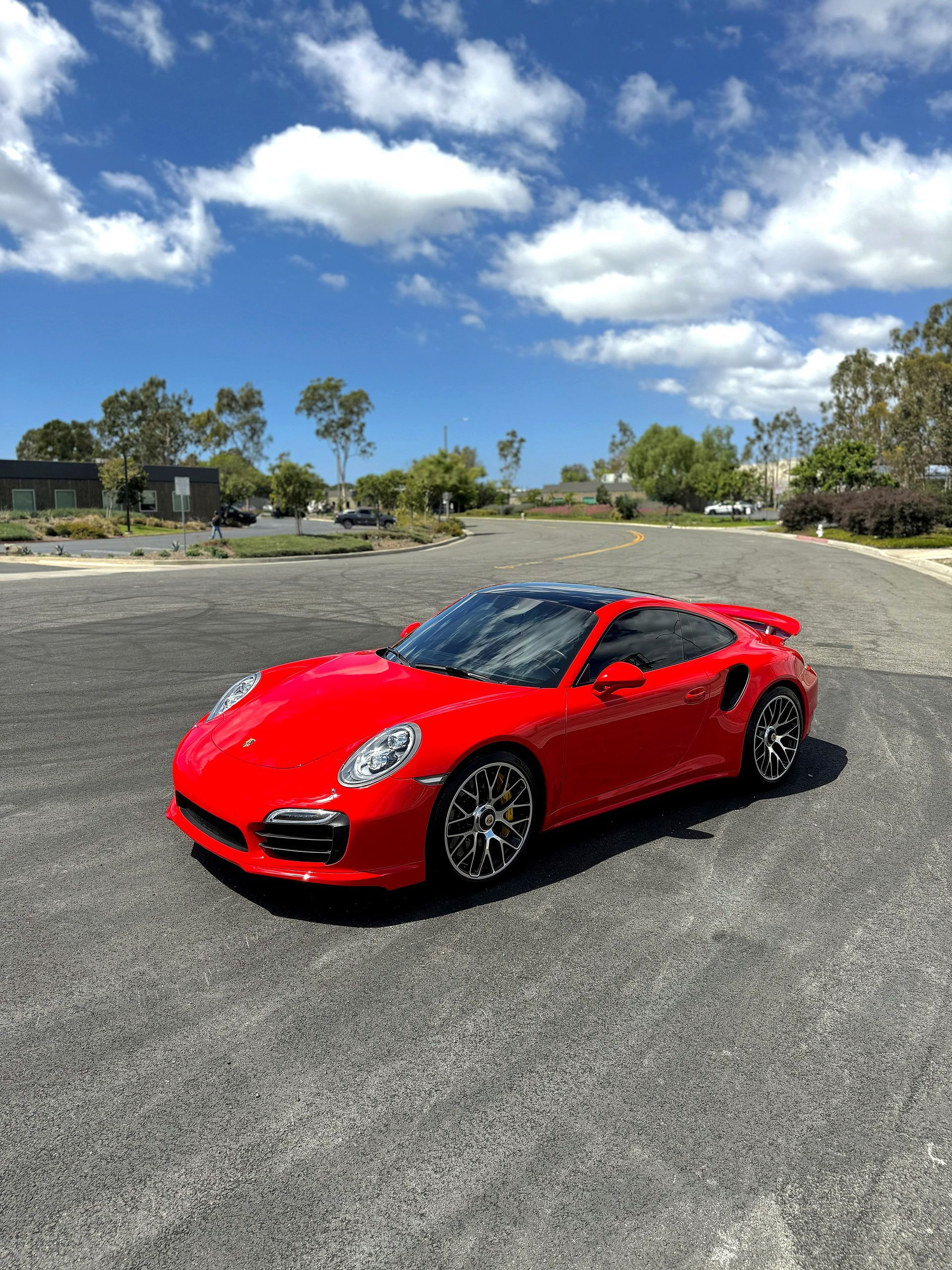
Red sports car parked on an empty asphalt lot under a bright blue sky
August 31, 2026
Compare ceramic coating, wax, and sealant after 12 months for gloss, durability, and paint protection. Call Platinum Plus Detailing today.