
Best Window Tint Percentage for Heat Rejection and Privacy: The Complete Guide for Cars and Homes
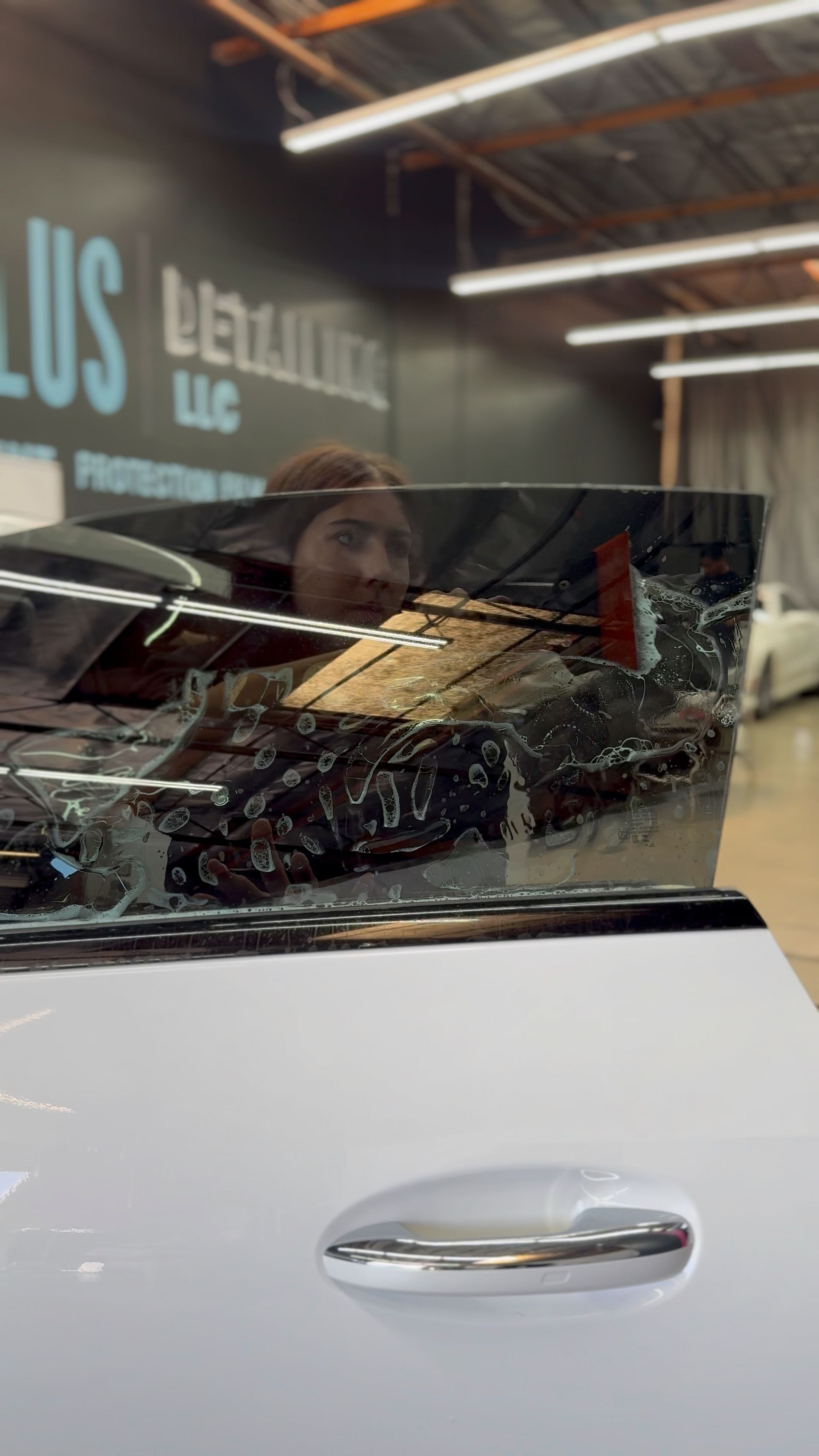
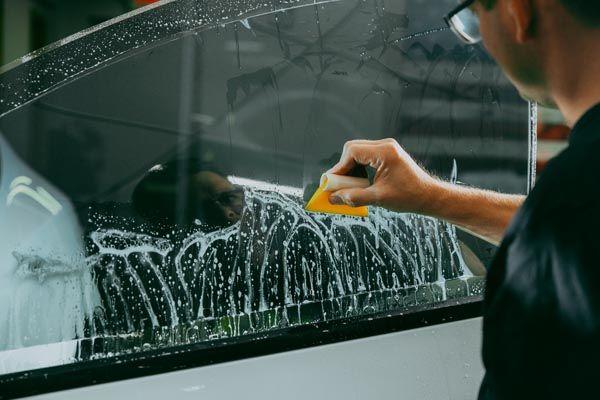
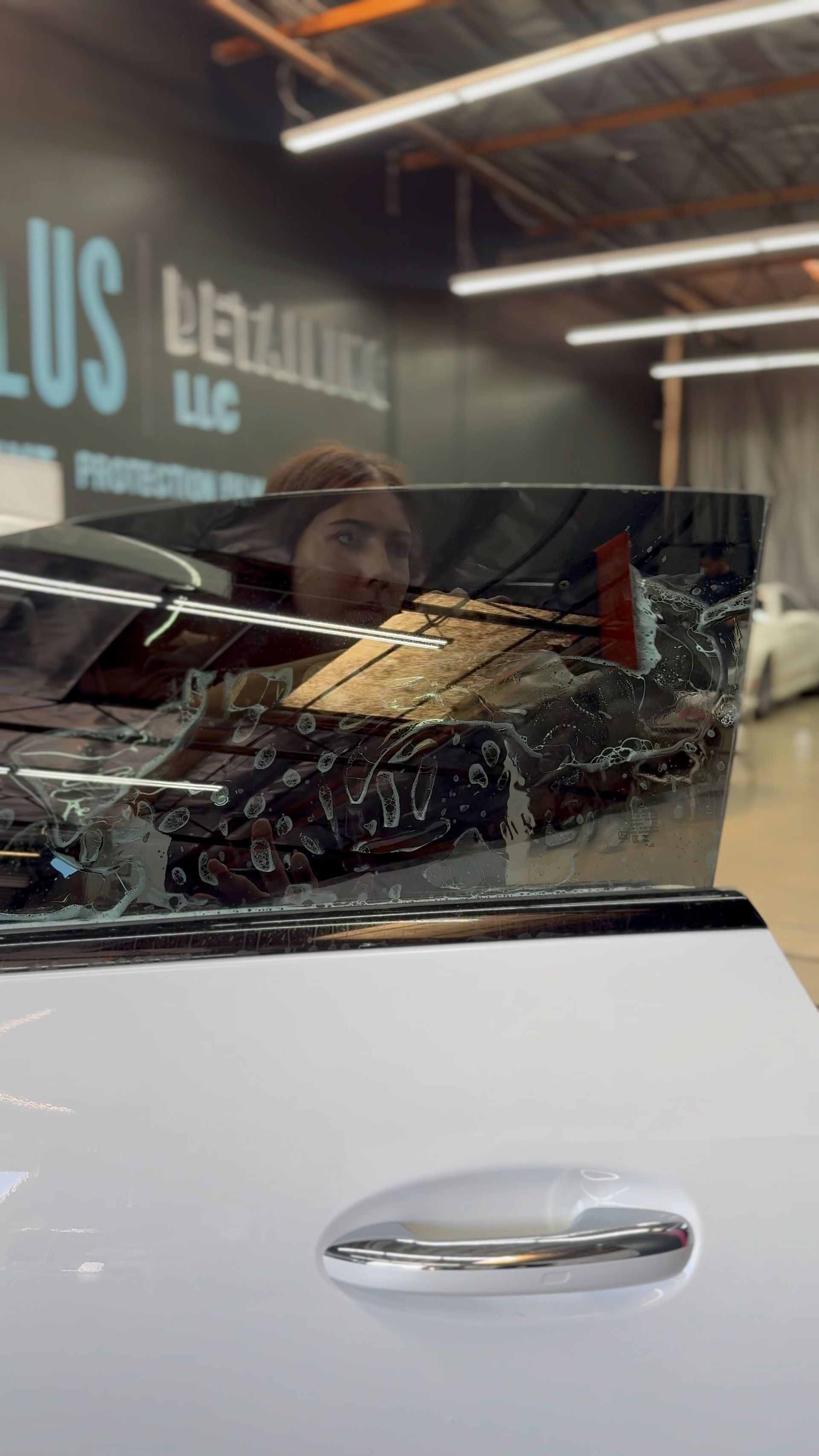
Choosing the right window tint is more than just picking a shade; it’s about keeping your vehicle cool during the hot Orange County summers, protecting your privacy on busy highways, and staying within California's tint laws. Understanding how tint percentages work and the capabilities of modern ceramic film technology can help you make an informed decision.
What is the Ideal Window Tint Percentage for Heat Rejection and Privacy?
The ideal window tint percentage for balancing heat rejection and privacy is typically around 20% Visible Light Transmission (VLT). This level of tint blocks up to 98% of infrared heat and nearly all UV rays, offering excellent cooling for your car’s interior while enhancing privacy. It also maintains good visibility during the night and complies with California’s tint regulations for rear windows.
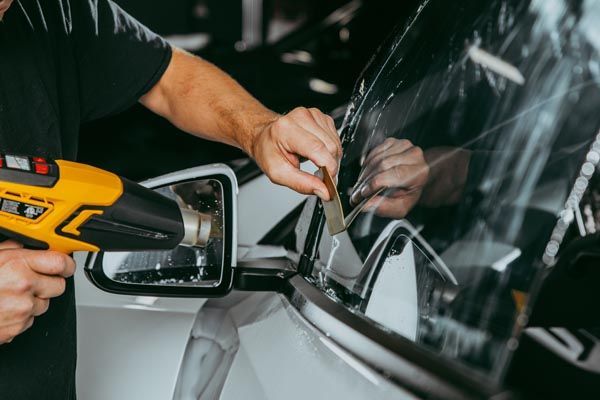
Legal Tint Percentages by Region
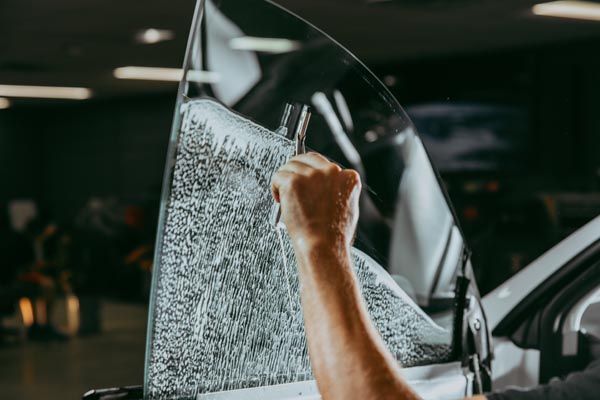
Tint laws in the US vary by state, and they are influenced by local climate conditions, traffic safety concerns, and enforcement practices. For example, vehicles in California tend to have lighter tints on the front windows compared to those registered in Texas. Understanding these regulations is crucial before scheduling your installation.
California’s regulations require that the front side windows allow at least 70% of visible light transmission (VLT). This strict rule ensures visibility during traffic stops and low-light driving conditions. However, the back and rear windows offer more flexibility, with California allowing any level of darkness provided that the vehicle is equipped with side mirrors. This gives drivers the freedom to prioritize heat rejection and privacy where it matters most, without compromising the driver's field of view.
Other states have their own tint laws. Washington, despite its overcast reputation, requires a minimum of 24% VLT for front side windows due to the region’s low-light driving conditions in winter. Texas, on the other hand, permits up to 25% VLT for front windows to help manage the persistent heat. In Florida, front side windows must allow at least 28% VLT, and the rear windows must be darker at 15%. New York has a stricter approach, requiring 70% VLT on both front and rear side windows, while in Washington, the laws are similar, with 24% VLT across all windows except the windshield.
The AS-1 line is a federally mandated marking indicating the lowest point where tinting is legally permitted on windshields. Tinting below this line is generally prohibited to ensure clear driver vision in the primary sight zone. Non-compliant tints can lead to citations, failed vehicle inspections, and required removal.
For California drivers, the 70% VLT for front side windows is non-negotiable. However, modern ceramic film technology can still provide excellent heat rejection at this VLT level without sacrificing visibility or legal compliance.
Top Tint Percentages for Heat Rejection
Heat rejection is one of the main reasons drivers choose window tinting. When your vehicle has been parked in direct sunlight for an extended period, the difference between a tinted and untinted interior becomes immediately apparent.
Many people mistakenly believe that darker tints provide better heat rejection. However, the technology behind the tinting film matters far more than its shade. High-quality ceramic films can block up to 98% of infrared heat, regardless of their visible darkness. This means a 70% VLT ceramic film can keep your car cooler even without a dark appearance.
At 70% VLT, the ceramic film can block up to 80-90% of infrared heat, making it ideal for front windows that must meet California’s regulations. This level of tint is excellent for both daytime and nighttime driving. Moving into the 50%-35% range, ceramic films continue to block up to 90-95% of infrared heat, which is popular for those seeking a balance of privacy and comfort. This range offers moderate tint with strong visibility. At 20%-5% VLT, the tint blocks up to 98% of infrared heat, making it perfect for rear windows or privacy-focused builds, though it does reduce nighttime visibility.
A quality ceramic film at 70% VLT can reduce interior temperatures by as much as 20°F on a sunny day. As you move to the 35%-50% range, the technology continues to block up to 95% of infrared heat while maintaining good visibility for driving.
The ceramic films also block up to 99% of harmful UV rays, ensuring that your car’s interior remains in great condition for years. This long-term stability is especially important for luxury vehicles like BMWs, Teslas, and Model Xs.
Best Tint Percentages for Privacy
Privacy is one of the most common reasons for installing window tint. The VLT percentage you choose has a direct effect on how much visibility you give up in exchange for discretion.
The darkest tint option is 5% VLT, commonly referred to as limo tint. This level of tinting blocks nearly all exterior visibility during the day. However, it significantly reduces outward visibility at night, which can be a safety concern when driving in low-light conditions.
For those who want strong privacy without compromising nighttime visibility, 20% VLT is often the best choice. It offers a dark appearance during the day while still allowing the driver to see clearly at night.
When selecting a privacy-focused tint, it’s important to keep legal limits in mind, particularly in California where the front windows must comply with the 70% VLT requirement. Rear and back-side windows, however, offer more flexibility. A 20% rear tint provides strong privacy during the day while still allowing for clear driving at night. For those looking for an alternative, a 35% ceramic film is a great option, offering superior heat rejection, UV protection, and long-term durability compared to dyed films at 5%.
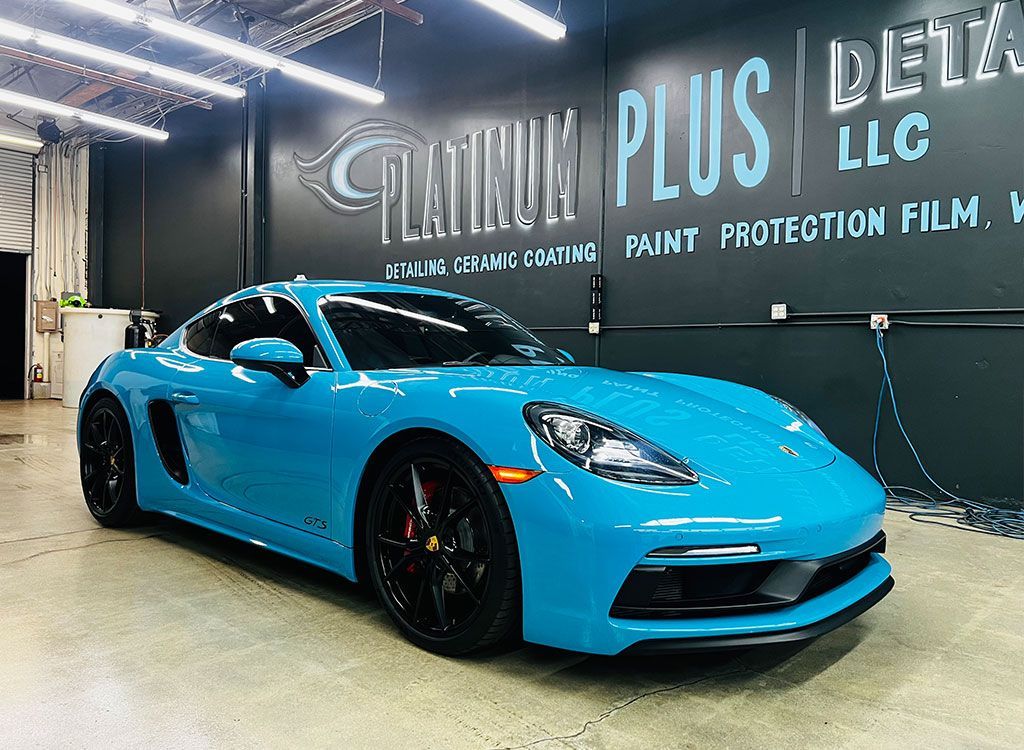
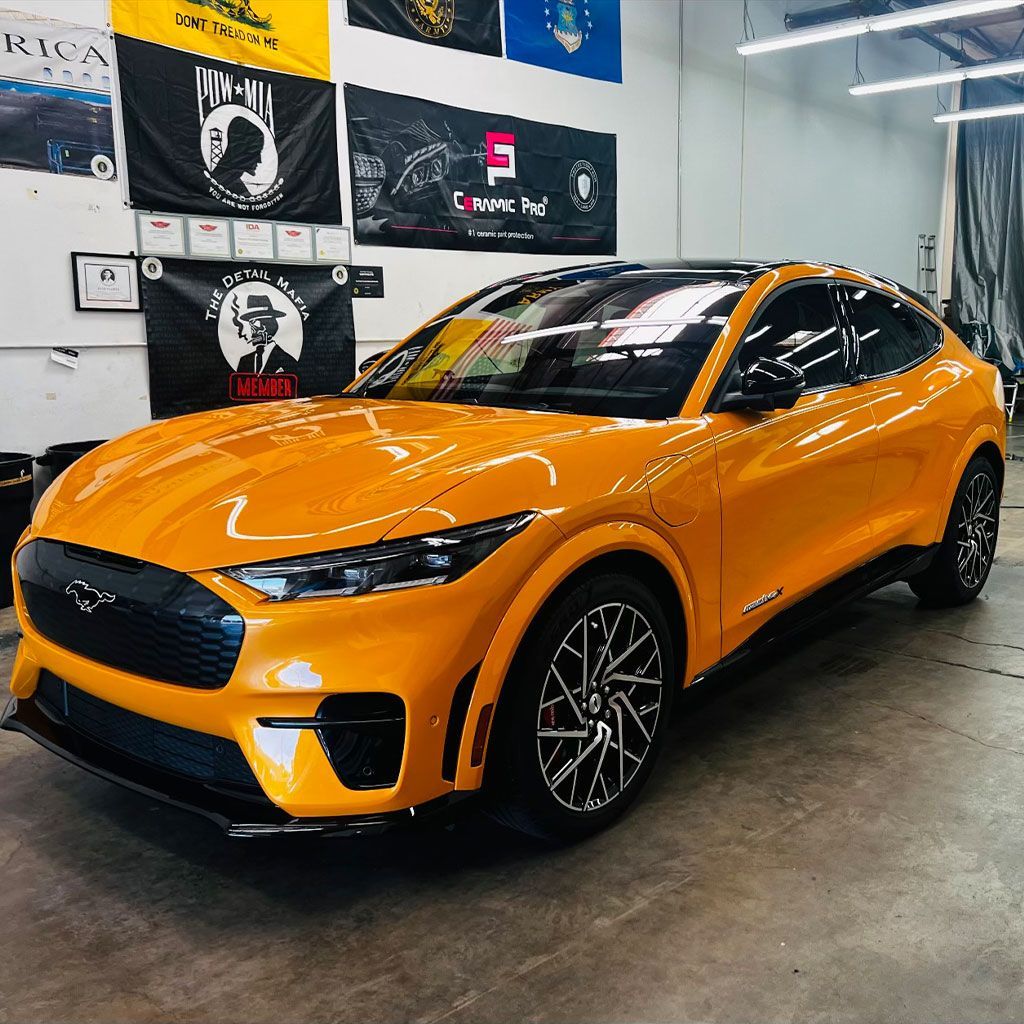
Choosing the Right Film for Your Vehicle
Selecting the right film for your vehicle goes beyond just considering the shade level. The material composition of the film determines how well it performs over time, how it holds up in Southern California's intense UV exposure, and how it looks inside your vehicle.
Ceramic Films are the most popular choice for high-performance tinting. These films use non-metallic nano-ceramic particles to block significant amounts of solar heat while delivering up to 99% UV protection. They also maintain optical clarity, signal transmission, and long-term color stability. Premium ceramic films, like KAVACA Ceramic IR, are engineered specifically for the conditions vehicles face in places like Costa Mesa.
Carbon Films offer a mid-tier option that provides decent heat rejection and stable coloring. However, they fall short compared to ceramic films in terms of UV protection and long-term durability.
Dyed Films are the most affordable option but are prone to fading and deterioration, especially under the intense Southern California sun.
For home installations, consider architectural films that are engineered to handle the specific requirements of residential windows, such as those from the 3M Sun Control line.
The Right Film for Your Vehicle: Key Considerations
When selecting the right window film, think about the following factors:
- Heat rejection: Premium nano-ceramic films target infrared heat wavelengths to keep your vehicle cool.
- Privacy: Choose a darker VLT or specialized film to meet privacy needs, while ensuring compliance with California’s front window limits.
- Clarity: Opt for optically transparent films to ensure safety and visibility.
- Durability: Professional installation and warranty coverage are essential for ensuring long-lasting performance, especially in Southern California’s UV conditions.
Contact Platinum Plus Detailing for Your Tinting Needs
The right tint for your vehicle comes down to your environment, your usage, and what you're trying to protect—whether that’s the leather interior of a luxury car or the comfort of your daily driver. At Platinum Plus Detailing, we will walk you through every tint option before making a recommendation.
Contact us or call us at (714) 614-1691 or request your free quote.