
Why Some Ceramic Coatings Lose Water Beading After 3 Months: Understanding Durability and Failure
Ceramic coatings promise a sleek, water-repellent finish that seems like the perfect way to protect your car's paint. But what happens when that satisfying water beading suddenly disappears after just a few months? It turns out, the story behind this frustrating issue is not just about the product itself. It involves everything from how it's applied to the environment your car faces every day. Understanding why ceramic coatings fail early helps you avoid common pitfalls and keep that glossy shield lasting much longer.
Why Ceramic Coatings Lose Their Beading Ability
One of the primary reasons ceramic coatings lose their water-beading properties prematurely is environmental factors. Elements like acid rain, UV exposure, tree sap, bird droppings, and road contaminants can gradually degrade the coating's hydrophobic layer. Additionally, improper surface preparation or the use of inferior or diluted products can also cause premature failure. Fortunately, proper maintenance with specialized cleaners can often restore some beading if the coating underneath remains intact.
Poor-Quality Products Can Lead to Early Failure
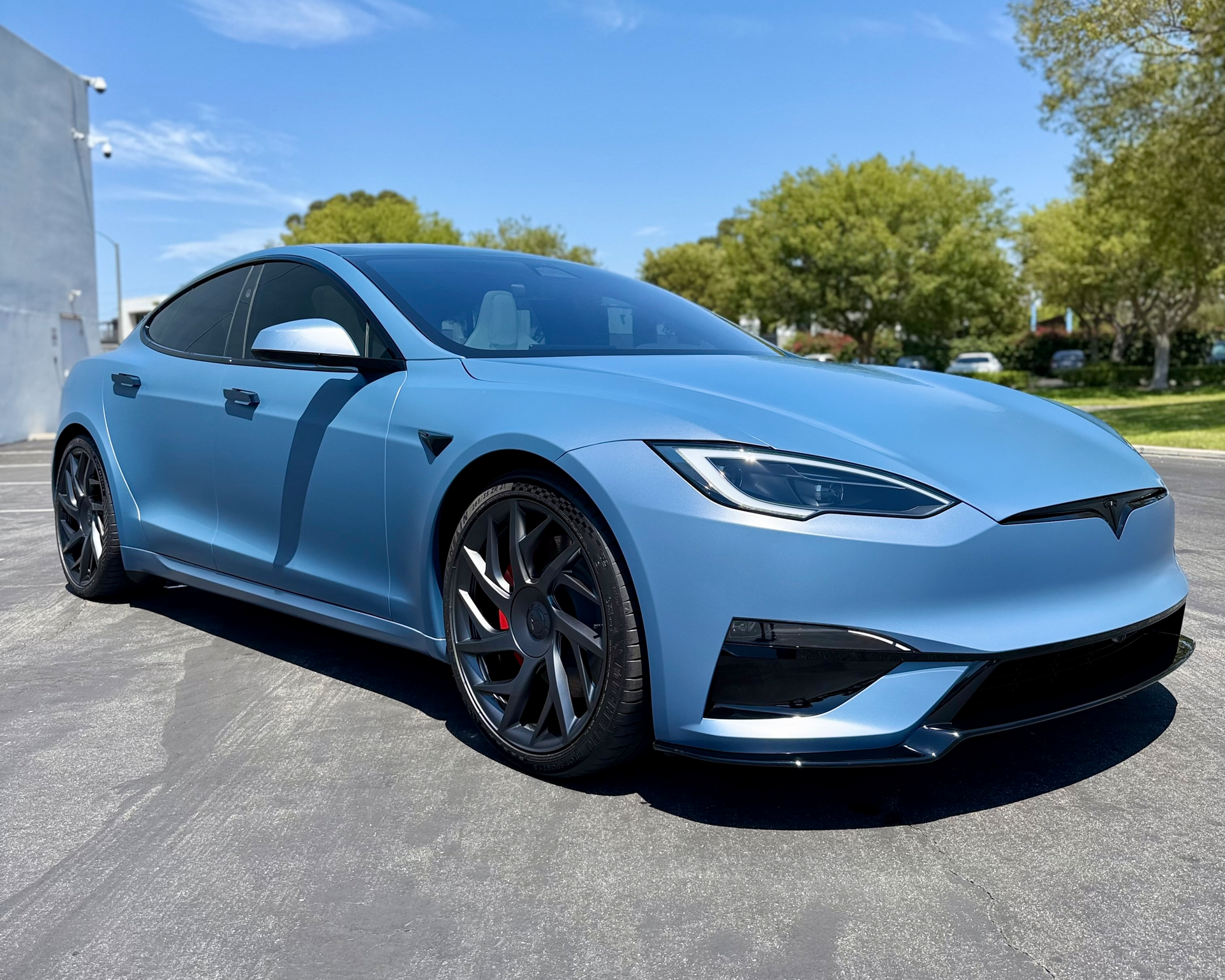
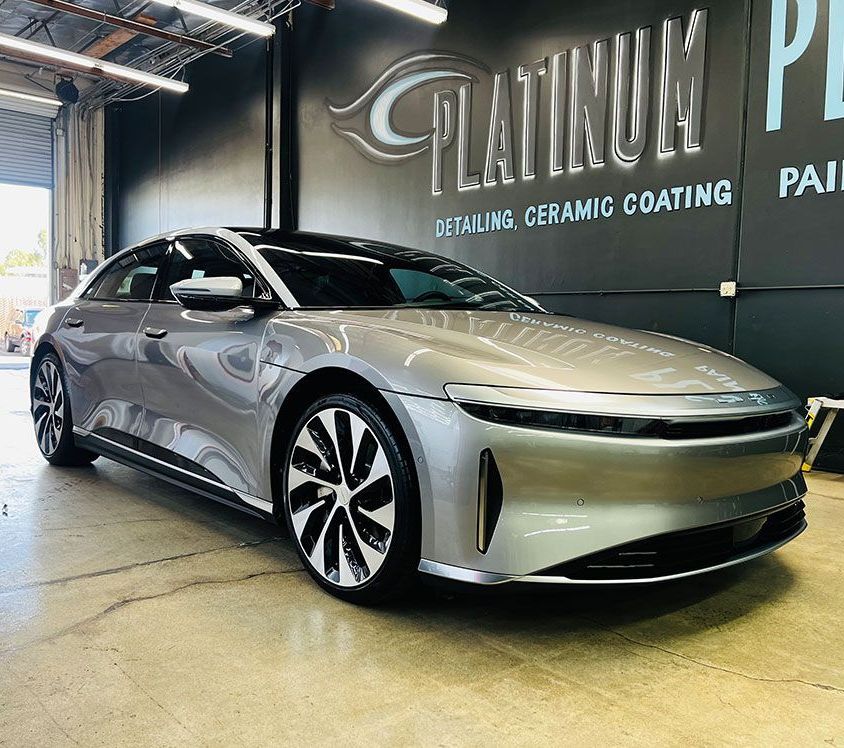
In many cases, the coatings that fail quickly are the result of inferior or diluted products being sold under trusted brand names. While they may sound like high-end treatments, some coatings are watered-down sealants or inexpensive wax blends that lack the robust chemical structure necessary for long-lasting protection.
Authentic ceramic coatings typically rely on a high concentration of silicon dioxide (SiO2), often over 70%, to create a tough, glass-like shield on the paint surface. Lower-quality alternatives often fall below this threshold or mix in fillers that wear away quickly when exposed to daily driving conditions like UV rays, acid rain, and road contaminants. This not only degrades the coating's performance but also misleads customers into thinking they have invested in long-term protection when, in reality, they have something far more temporary.
The Importance of Proper Surface Preparation
Another key factor in coating failure is poor surface preparation. Imagine trying to apply a protective layer to a dusty or greasy surface—it simply won't adhere properly. This is exactly what happens with ceramic coatings on vehicles. Without thorough cleaning, decontamination, and polishing beforehand, contaminants like dirt, oils, and old wax residues remain trapped beneath the coating. Over time, these trapped impurities weaken the bond between the paint and the coating.
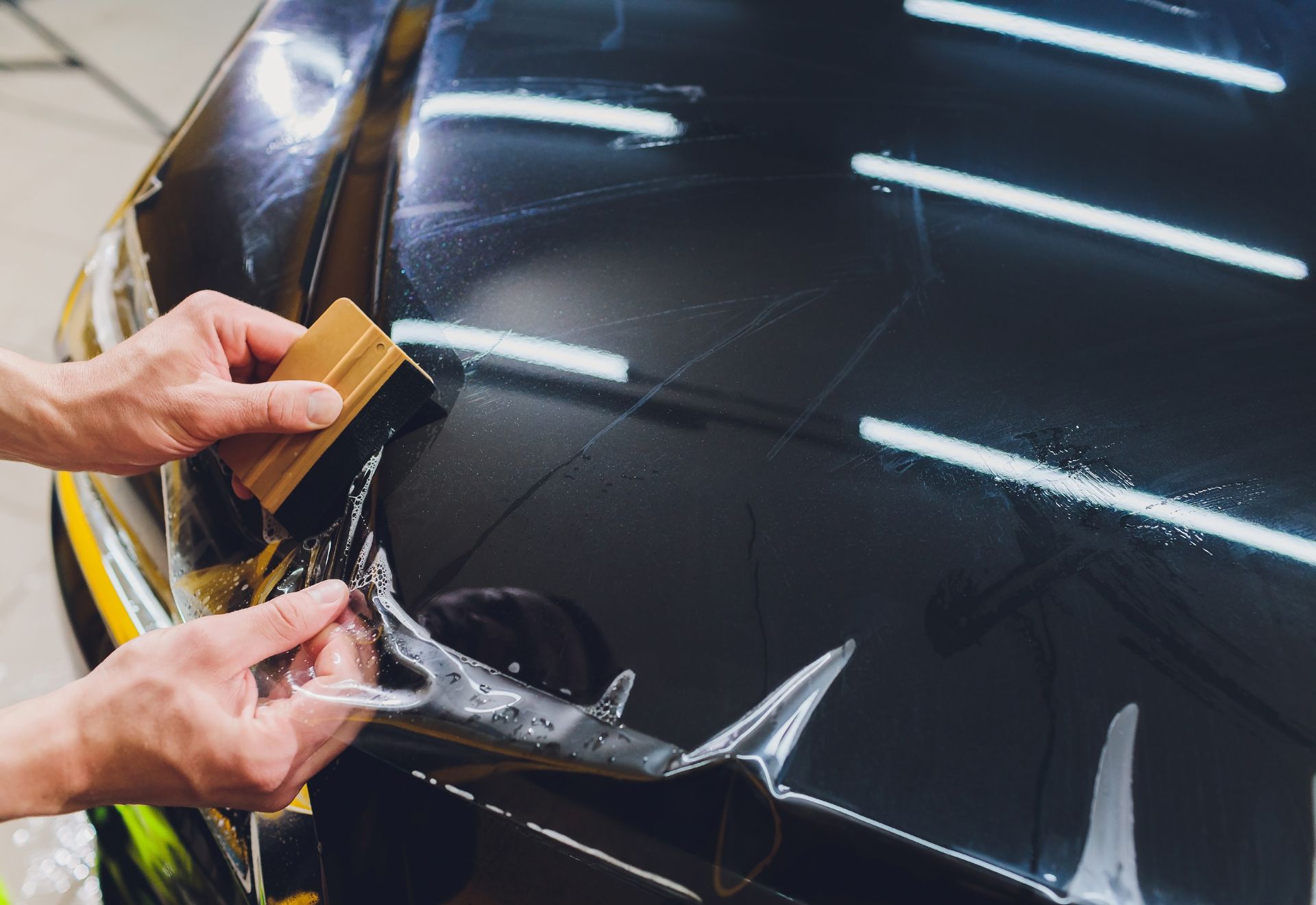
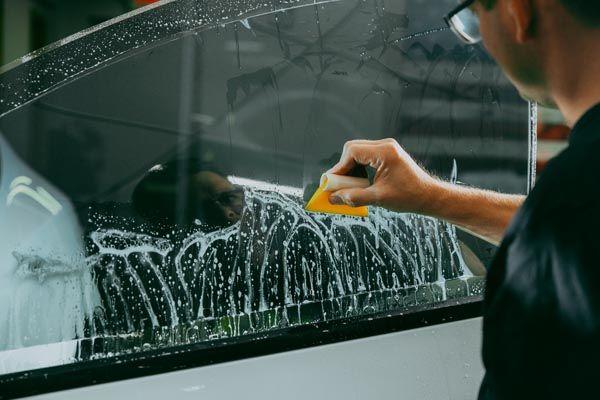
To achieve durable results, professional detailers take several preparation steps, including washing with specialized car soaps, using iron fallout removers, and applying clay bars to lift microscopic particles from the paint. Polishing removes swirls and oxidation and ensures the surface is smooth and ready to bond with the coating. Skipping any of these steps leaves behind imperfections that serve as weak points for the coating to break down.
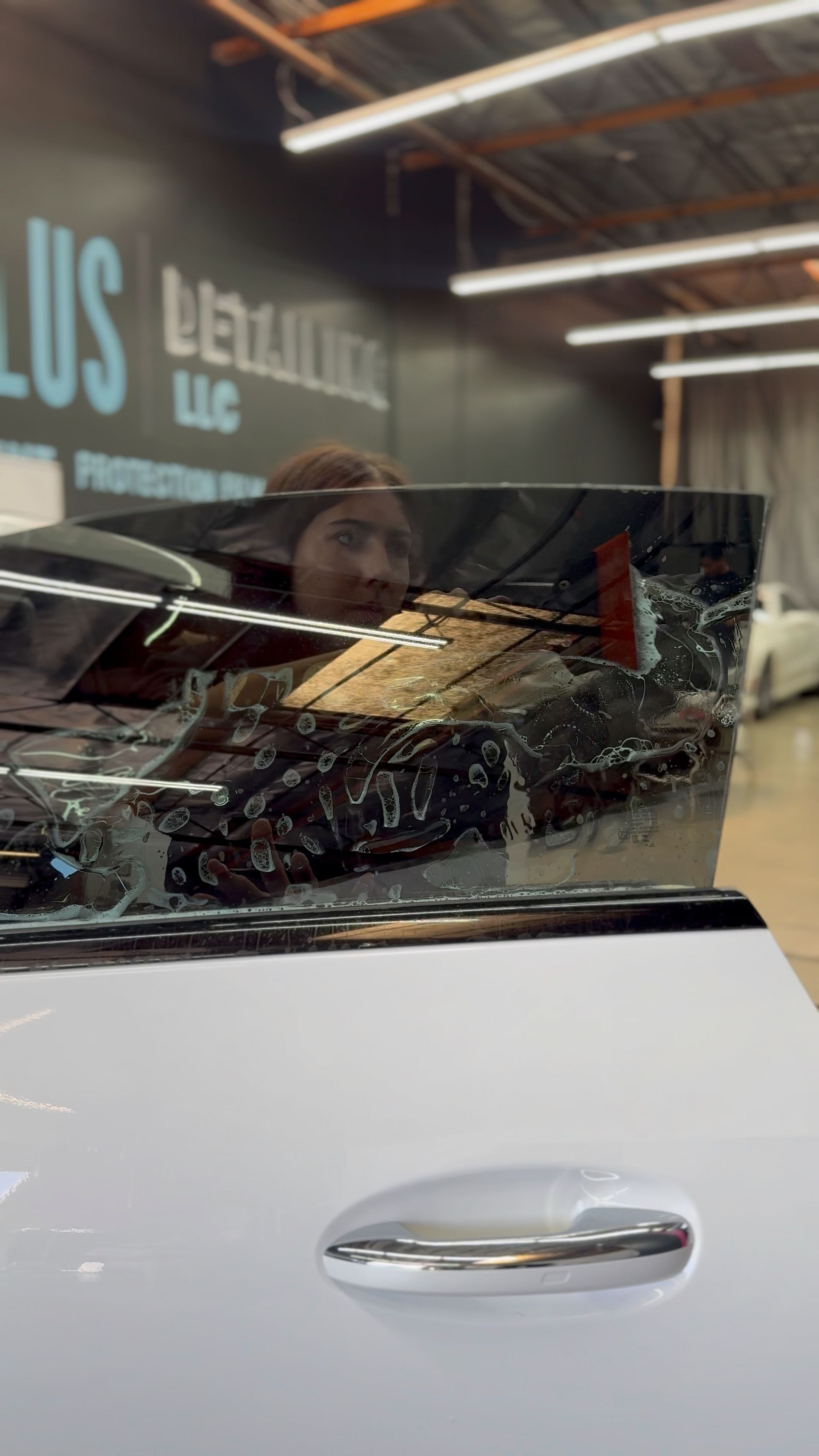
At Platinum Plus Detailing, we consider proper prep work essential. It’s the foundation that separates a coating that lasts years from one that fades in months.
Environmental Factors and Accelerated Coating Degradation
Beyond product quality and preparation, environmental exposure plays a significant role in how long your ceramic coating lasts. Harsh sun exposure introduces ultraviolet (UV) radiation, which gradually breaks down both your car's paint and the ceramic layer. Acid rain, with its low pH levels, can chemically degrade coatings by eroding their molecular bonds.
Additional contaminants such as bird droppings, tree sap, salt during winter months, motor oil splashes, and road tar physically damage or chemically attack the coating’s surface. In Costa Mesa, while winters are mild, coastal humidity, marine layers, and intense UV exposure year-round can create persistent wear on unprotected or poorly maintained coatings.
If regular maintenance is neglected, grime builds up and clogs the protective layer, which reduces water beading and accelerates deterioration.
How to Maintain Your Ceramic Coating for Long-Term Durability
To combat these challenges, smart maintenance is essential. Regular washing with mild shampoos designed for coated vehicles helps remove grime that can clog pores in the coating. Avoid using harsh detergents or automatic car washes with abrasive brushes, as these can scratch the protective layer.
Using cleaners specifically designed to rejuvenate the hydrophobic properties of the coating can help dissolve surface contaminants without stripping away the protection. Periodic inspections are also important, as they can alert you to significant declines in beading, signaling possible coating fatigue or contamination issues.
Factors That Affect the Longevity of Your Coating
Ceramic coatings are remarkable for creating a hydrophobic surface that repels water and contaminants, but they’re not invincible. The primary factor that affects longevity is environmental exposure. UV rays don’t just fade paint; they also break down the coating’s molecular structure, causing the protective layer to weaken over time. While UV rays are a major concern, acid rain, road salt, and contaminants like tree sap and bird droppings can also contribute to the coating’s deterioration.
In colder climates, road salt can be particularly damaging. Salt is highly corrosive and abrasive, and when it lingers against your vehicle's surface during winter months, it can wear down the coating’s thickness and effectiveness.
To extend the life of your coating, it’s important to regularly clean your car using pH-neutral shampoos and employ maintenance products that rejuvenate the coating's hydrophobic function.
Why Quality Ingredients and Professional Application Matter
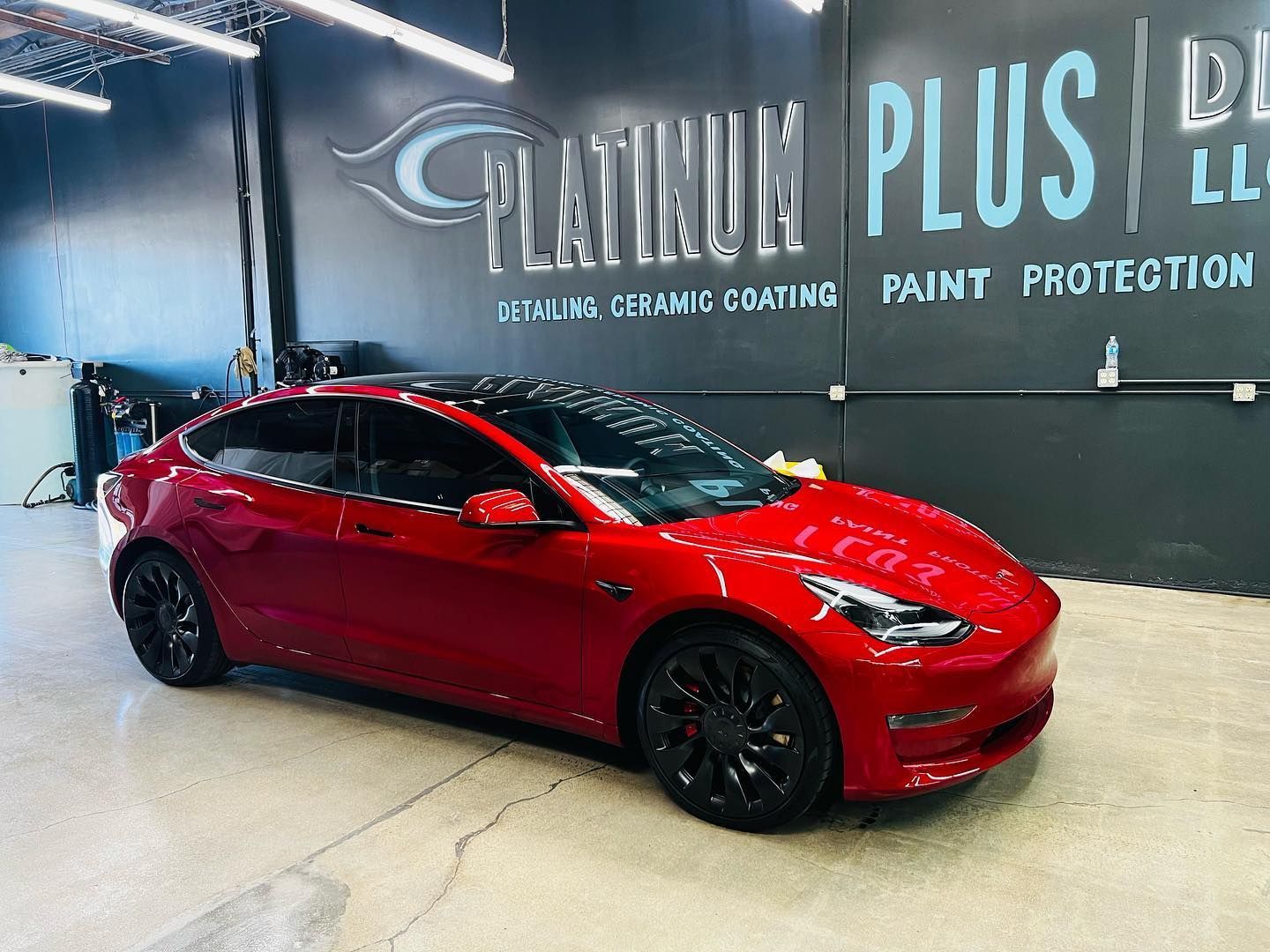
Think of preparing a high-end meal. Even the best chef can’t make a great dish without quality ingredients. The same goes for ceramic coatings. The core ingredient—silicon dioxide (SiO2)—gives ceramic coatings their protective and hydrophobic power. High-grade coatings typically contain between 70% and 85% SiO2, creating a tough and long-lasting shield for your vehicle's paint.
Lower-quality coatings often contain diluted formulas or cost-cutting fillers, which cause the water-beading properties to fade quickly. Even with the best formula, a coating can fail if it isn't applied correctly. Professional detailers apply multiple thin coats, each around one to two microns thick. This ensures proper bonding, chemical resistance, and durability.
Environmental Factors That Wear Down Your Coating
The sun, rain, salt, and pollution all contribute to the wear and tear of ceramic coatings. UV radiation weakens the coating’s molecular structure, and acid rain can chemically erode its surface. Road salt, particularly in colder climates, leads to corrosion, while tree sap and bird droppings contain acidic compounds that can etch into the coating. These elements are persistent, and without proper maintenance, they’ll gradually diminish the coating’s effectiveness.
In Costa Mesa, environmental challenges like high UV exposure and coastal air can accelerate the degradation of your ceramic coating. This is why regular care and proper maintenance are essential for keeping the coating intact.
Maintenance Tips to Extend the Life of Your Coating
To get the most out of your ceramic coating, here are some maintenance tips:
- Wash regularly with a pH-neutral shampoo to remove contaminants without damaging the coating.
- Wipe off bird droppings and sap promptly—the longer they sit, the more damage they can cause.
- Apply maintenance spray boosters every four to six weeks to rejuvenate the hydrophobic effect.
- Use a clay bar treatment every three months to remove bonded contaminants like brake dust.
- Dry with a plush microfiber towel to avoid scratching the coating.
By following these steps, you’ll ensure that your coating remains effective for years, not just months.
Choosing the Right Ceramic Coating for Your Car
Selecting the right ceramic coating can be overwhelming with so many options available. The key is choosing a product that fits your driving habits, environment, and willingness to maintain it. For frequent drivers who park outdoors often or live near the coast, look for a coating with a high SiO2 concentration for long-term protection.
Mid-range coatings offer a good balance of protection and cost, ideal for those who primarily drive short distances or park indoors. However, budget-friendly spray-on coatings should be avoided, as they tend to wear off quickly and may lose their water-beading effect within months.
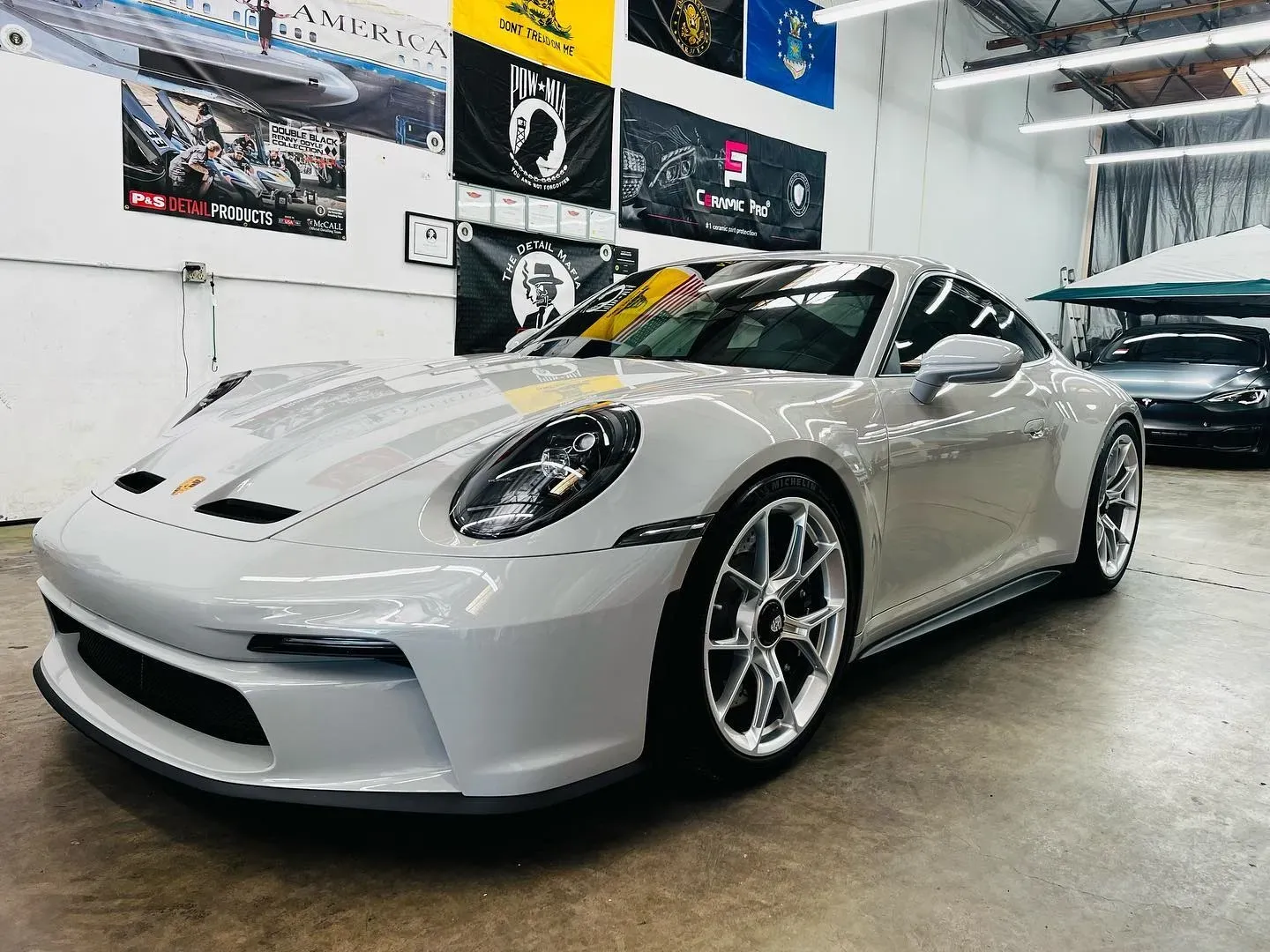
Professional-grade coatings, such as those offered by Platinum Plus Detailing, provide superior protection and longevity. These products often contain high SiO2 concentrations, ensuring a thick, durable shield against environmental damage. Proper surface preparation, including machine polishing and clay bar treatment, is essential to ensure the coating bonds correctly and lasts longer.
Protect Your Investment with Professional Ceramic Coating Services
When you invest in ceramic coating, you’re investing in the long-term protection of your vehicle’s paint. Ensure that your ceramic coating lasts far beyond the initial months by working with the experts at Platinum Plus Detailing. We offer professional-grade coatings, meticulous surface preparation, and ongoing maintenance services to keep your vehicle looking pristine.
Don’t let the elements wear down your investment. Contact us today to learn more about our ceramic coating options and how we can help protect your vehicle from the harsh environmental factors in Costa Mesa.
Contact us or call Platinum Plus Detailing at (714) 614-1691 or request a free quote to get started.