
What Causes Small Air Pockets or Silver-Looking Areas Under PPF?
Paint Protection Film (PPF) is designed to protect your vehicle’s paint while maintaining a clean, factory-quality appearance. However, after installation, some vehicle owners notice small air pockets, cloudy sections, or silver-looking areas beneath the film and wonder whether something went wrong.
These imperfections can be concerning, especially after investing in professional paint protection. The good news is that many small bubbles and cloudy areas are part of the normal curing process and may disappear as trapped moisture evaporates. Other issues, such as contamination, improper preparation, or installation problems, may require professional correction.
At Platinum Plus Detailing in Costa Mesa, CA, we install professional Paint Protection Film solutions designed to protect vehicles from rock chips, road debris, stains, and everyday environmental exposure. Understanding why PPF imperfections happen can help vehicle owners know when to wait, when to maintain the film, and when to seek professional inspection.
What Is Paint Protection Film?
Paint Protection Film is a transparent urethane film applied to a vehicle’s painted surfaces to help protect against damage caused by road hazards and environmental contaminants. Unlike traditional waxes or sealants, PPF creates a physical barrier between your paint and outside elements.
High-quality Paint Protection Film helps protect against:
- Rock chips and road debris
- Bug splatter and environmental stains
- UV exposure
- Minor surface abrasions
- Contaminants that can damage automotive paint
Premium PPF products may also include self-healing technology, allowing minor surface marks to reduce when exposed to heat. This helps maintain a smooth, clear appearance while preserving the original finish of your vehicle.
Because PPF is designed to be nearly invisible, clarity is one of its most important features. Proper installation ensures the film enhances protection without distracting from your vehicle’s paint color, gloss, or overall appearance.
Why Are There Air Pockets or Silver-Looking Areas Under PPF?
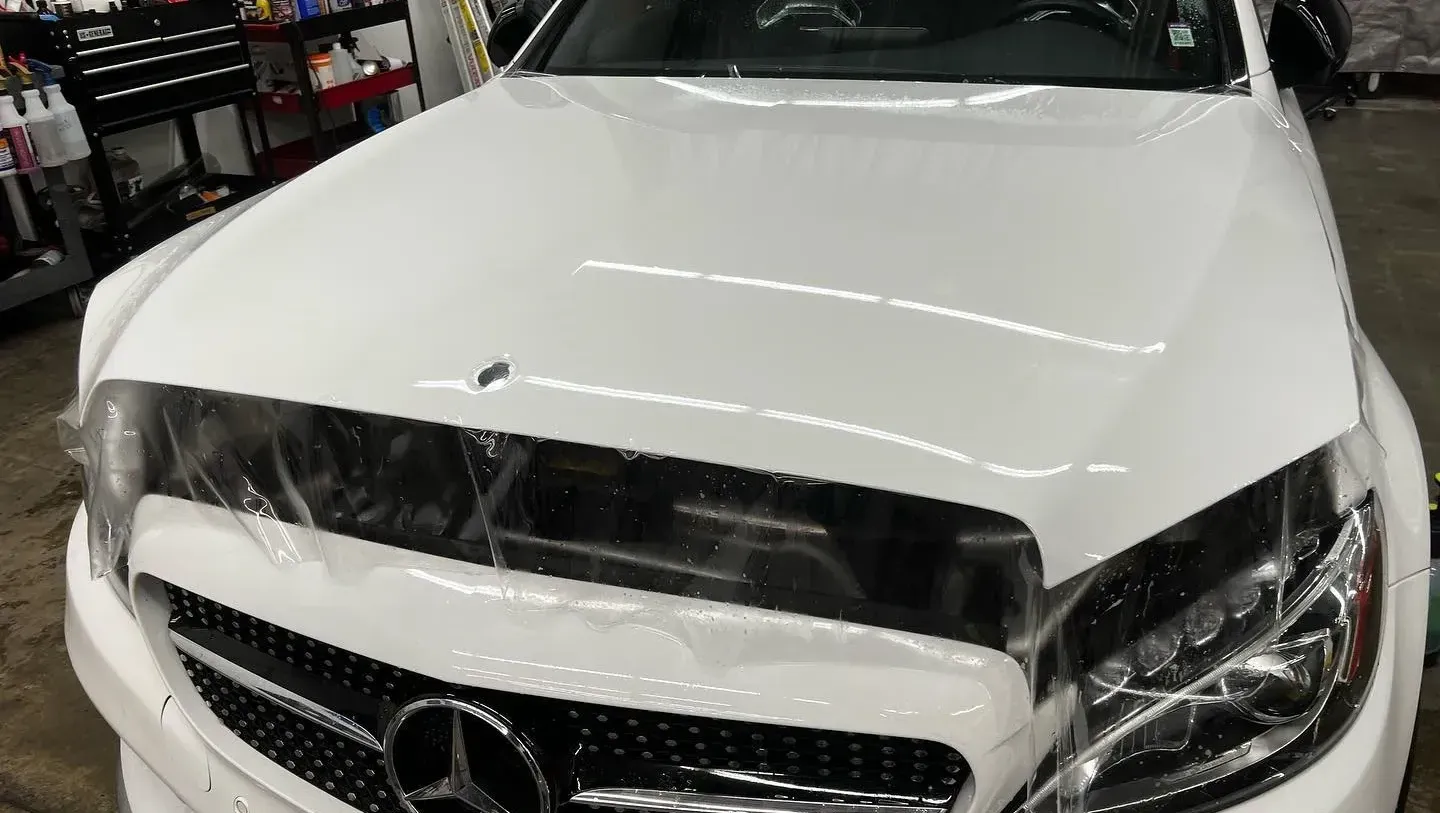
Small air pockets and silver-looking areas under Paint Protection Film usually occur because air, moisture, installation solution, or contaminants become trapped between the film and the vehicle’s surface during installation.
Some common causes include:
Trapped Moisture During Installation
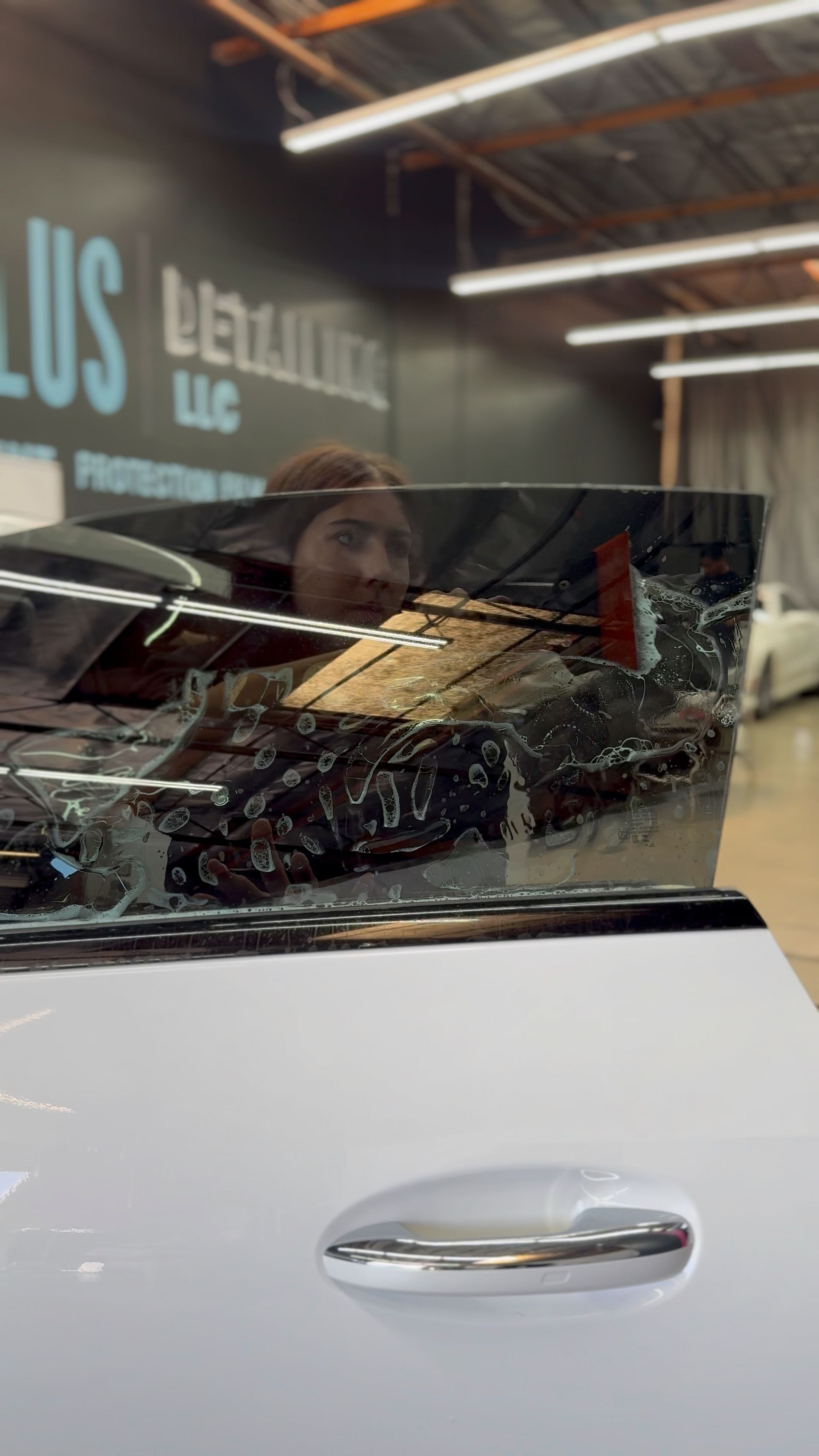
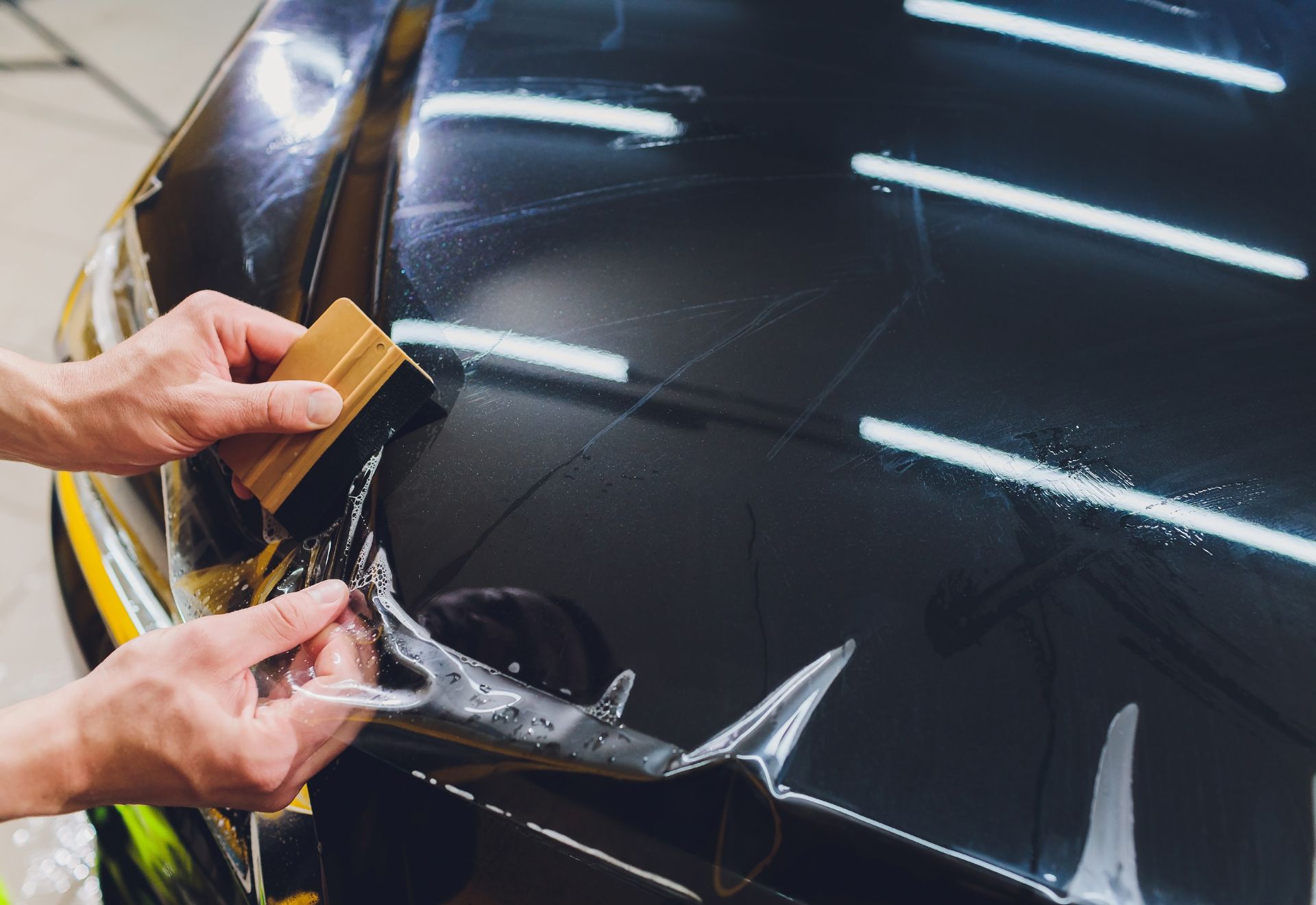
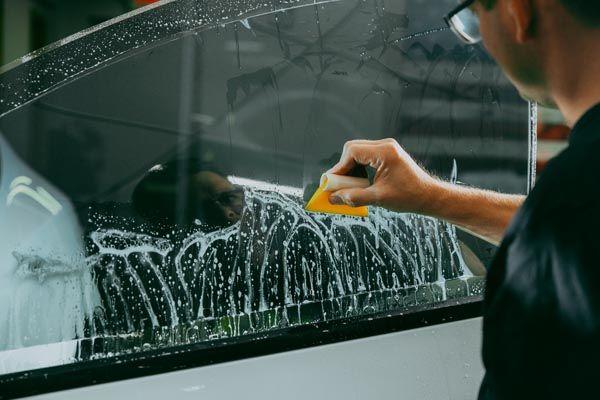
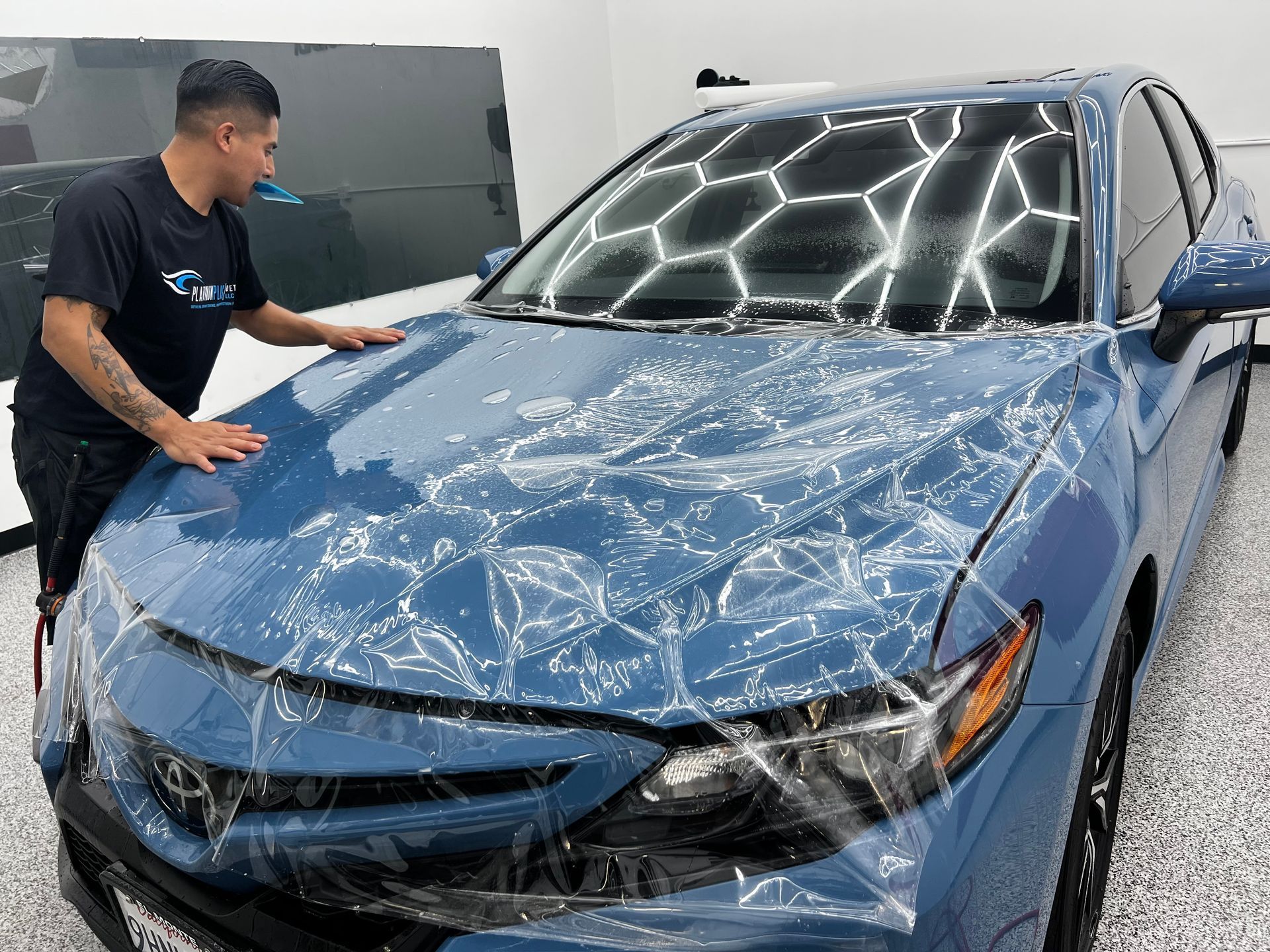
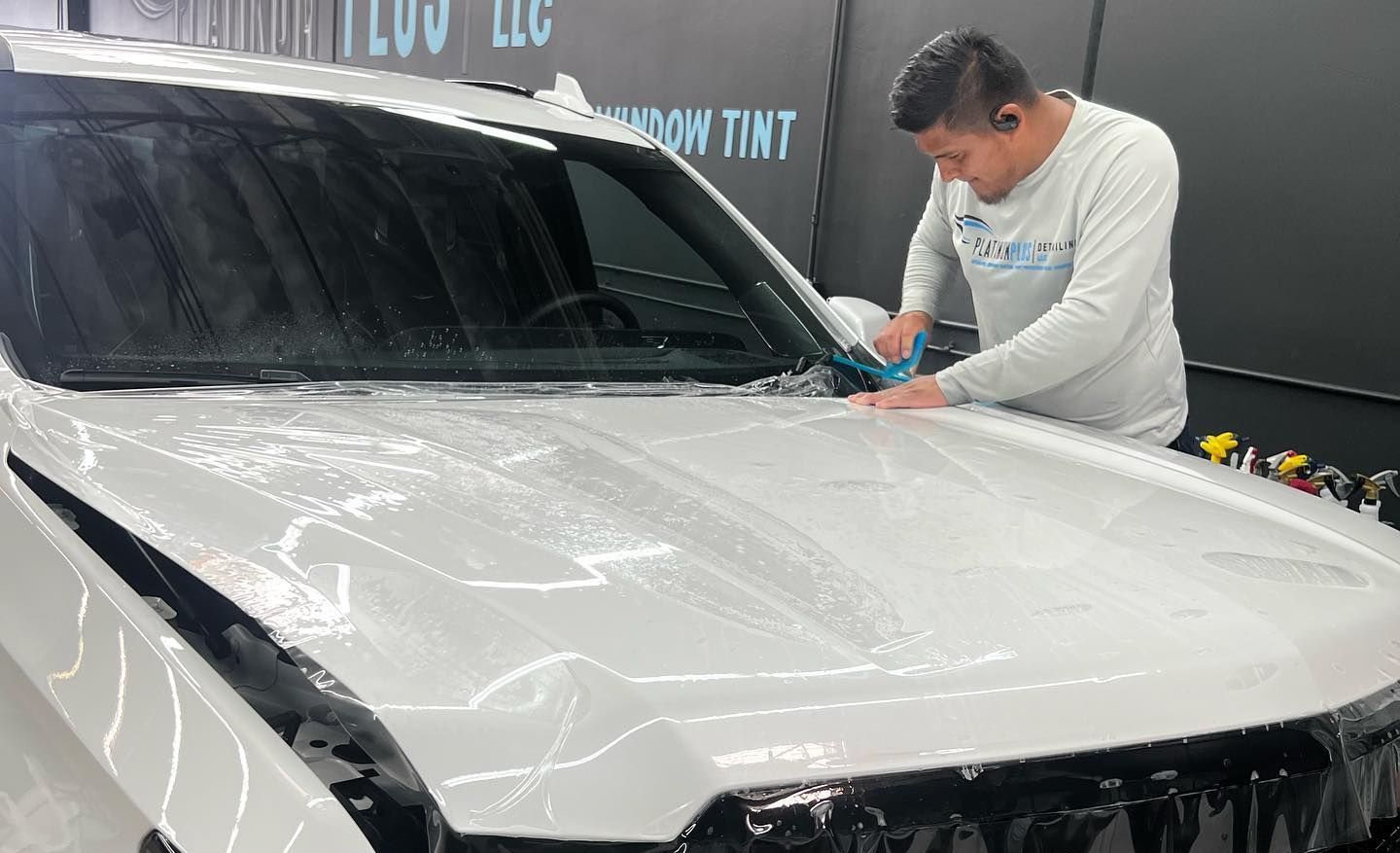
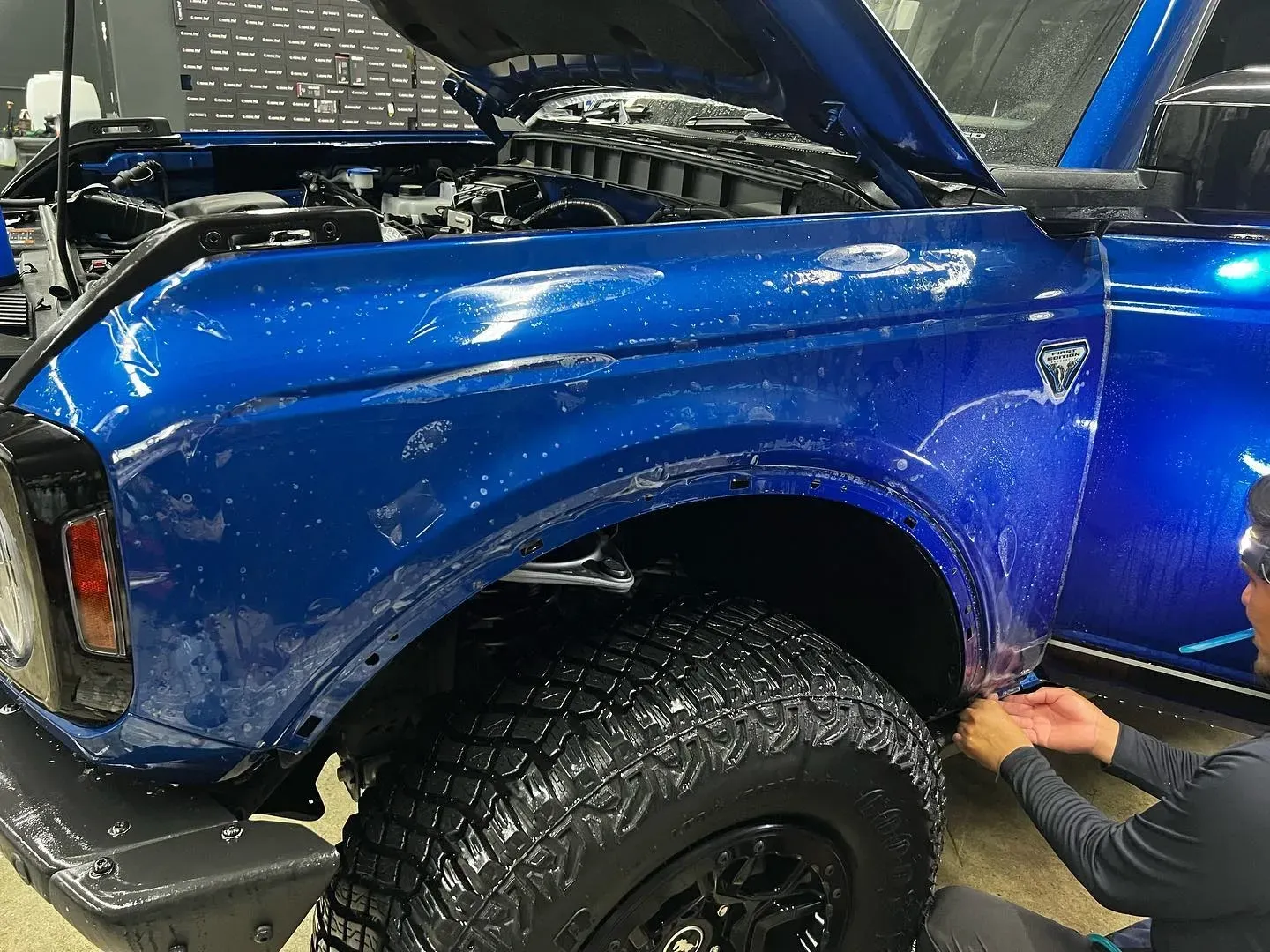
PPF installation involves applying the film with an installation solution that allows technicians to position and smooth the material correctly. Small amounts of moisture may remain beneath the film immediately after installation.
These areas can appear cloudy, silver, or slightly hazy. In many cases, they disappear naturally as the film cures and the remaining moisture evaporates.
Contaminants Under the Film
Proper surface preparation is one of the most important parts of a successful PPF installation. Dirt, dust, wax residue, oils, or other contaminants left on the paint can prevent the adhesive from bonding evenly.
Even small particles trapped beneath clear film become noticeable because they interrupt the smooth contact between the film and the paint.
Improper Installation Technique
PPF installation requires experience, patience, and specialized tools. Uneven pressure during application, rushing around vehicle curves, or failing to properly remove trapped moisture can lead to visible imperfections.
Professional installers carefully position, stretch, and smooth the film to achieve consistent adhesion across the vehicle’s surface.
Do PPF Bubbles Disappear on Their Own?
Many small bubbles or silver-looking areas improve during the curing process. The timeline depends on factors such as:
- Film type
- Temperature
- Humidity
- Size of the trapped moisture area
- Installation environment
After installation, it is normal to see minor moisture spots or slight haziness. These often become less noticeable as the adhesive settles.
However, professional inspection may be needed if:
- Large bubbles remain after curing
- The film edges begin lifting
- Wrinkles or distortions appear
- Dirt or contamination is visible beneath the film
- Imperfections continue getting worse
A trained installer can determine whether the issue is temporary or requires correction.
How Environmental Conditions Affect PPF Installation
The installation environment plays an important role in the final appearance of Paint Protection Film.
Temperature and humidity can affect how the adhesive behaves during application. Extremely cold conditions may make the film less flexible, while excessive heat can make installation more challenging.
Professional PPF installers typically work in controlled environments where they can reduce exposure to:
- Dust particles
- Excess moisture
- Temperature fluctuations
- Airborne contaminants
A clean installation area helps ensure the film bonds evenly and maintains long-term clarity.
For vehicle owners in Costa Mesa and surrounding Orange County areas, environmental exposure is also an important consideration after installation. Sun exposure, coastal air, road debris, and daily driving conditions can all affect how well your PPF performs over time.
Installation Mistakes That Can Cause PPF Imperfections
While some imperfections are part of normal curing, certain installation mistakes can create long-term issues.
Common installation-related problems include:
Poor Surface Preparation
Applying PPF over a surface that has not been properly cleaned and decontaminated can prevent the adhesive from bonding correctly.
Professional preparation may include:
- Thorough washing
- Paint decontamination
- Removing oils and residues
- Correcting surface imperfections before installation
Incorrect Film Handling
PPF requires careful handling during application. Stretching the material incorrectly or applying inconsistent pressure can create wrinkles, bubbles, or uneven areas.
Rushing the Installation Process
Quality PPF installation requires precision. Taking shortcuts may increase the likelihood of visible imperfections and reduce the overall appearance of the finished installation.
How Are PPF Air Pockets and Silvering Fixed?
The correct solution depends on the severity of the issue.
Minor Moisture Spots
Small cloudy areas may simply need additional curing time. Allowing the film to settle naturally is often the best approach.
Small Air Pockets
A professional installer may carefully warm the affected area and use specialized tools to release trapped air or moisture without damaging the film.
Large Defects or Contamination
If significant defects remain after curing, the affected section may need to be removed and replaced. Attempting to repair severe issues without experience can damage the film or surrounding paint.
Professional correction ensures the replacement section maintains proper alignment, clarity, and protection.
How to Prevent PPF Air Pockets and Silver-Looking Areas
The best way to avoid PPF issues is to focus on quality installation and proper aftercare.
Vehicle owners should:
- Choose an experienced PPF installer
- Confirm that proper surface preparation is performed
- Avoid touching or disturbing fresh PPF during the curing period
- Follow all post-installation care instructions
- Use PPF-safe cleaning products
High-quality materials combined with professional installation provide the best chance of achieving a smooth, clear finish.
Professional Paint Protection Film Installation in Costa Mesa, CA
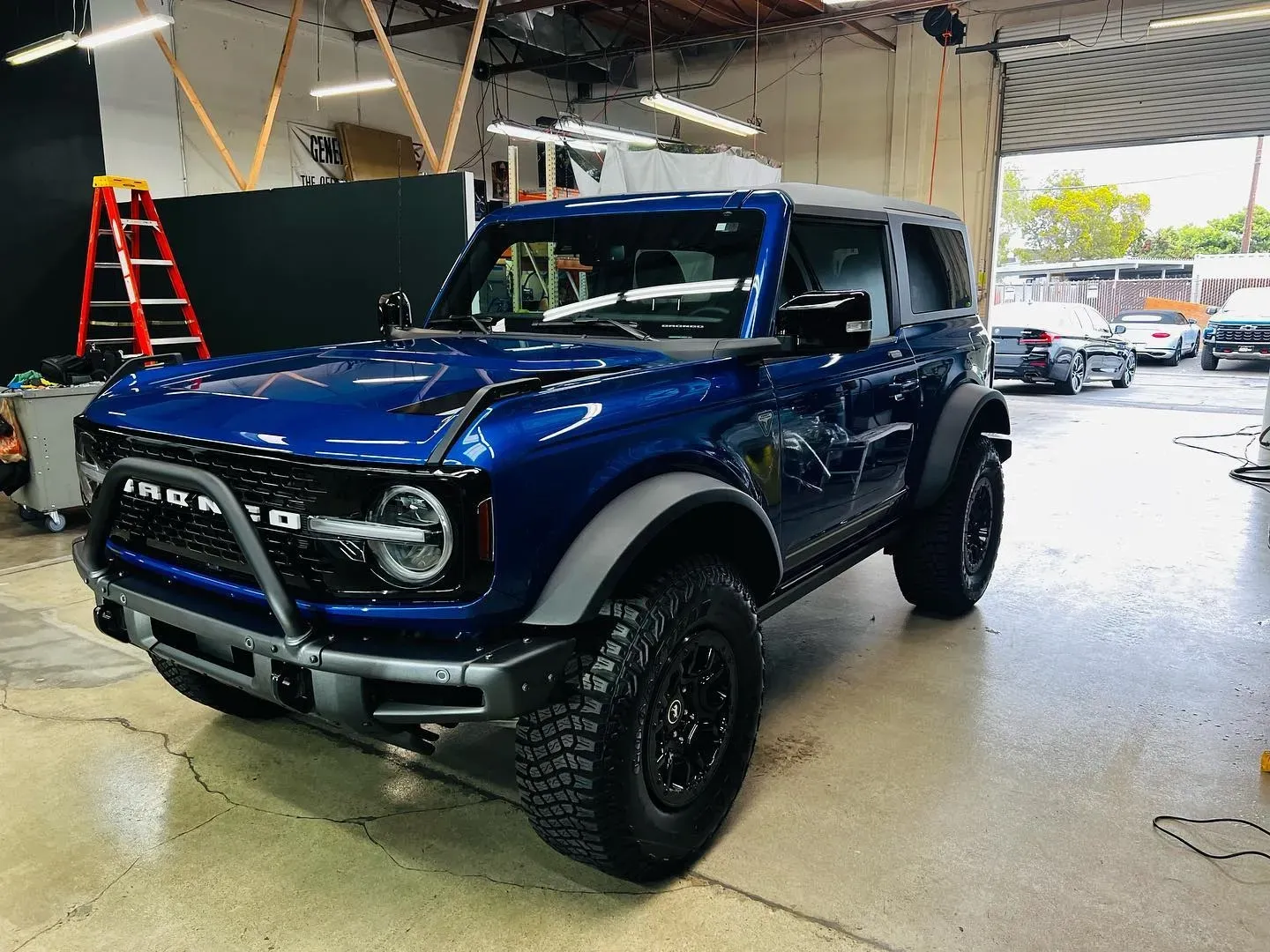
Small air pockets and silver-looking areas under PPF do not always mean your film has failed. In many cases, these imperfections are part of the normal curing process. However, persistent issues should be evaluated by an experienced professional.
At Platinum Plus Detailing in Costa Mesa, CA, our team provides professional Paint Protection Film installation designed to protect your vehicle while maintaining a clean, factory-quality appearance. We also offer ceramic coating and window tinting solutions to provide complete vehicle protection.
If you notice bubbles, cloudiness, or other concerns with your PPF, contact Platinum Plus Detailing at (714) 614-1691 for a professional inspection and personalized recommendation.
Frequently Asked Questions
How long does it take for PPF bubbles to disappear?
Small moisture pockets can improve during the curing process. The timeline depends on the film, weather conditions, and size of the affected area.
Are silver-looking areas under PPF normal?
Some silver or cloudy areas may be normal immediately after installation because of trapped moisture. If they remain after the curing period, professional evaluation is recommended.
Can PPF bubbles be repaired?
Small imperfections may be corrected by a professional installer. Larger defects or contamination beneath the film may require replacement of the affected section.
Does PPF damage the original paint?
No. Properly installed Paint Protection Film is designed to protect the original paint and can be safely removed by trained professionals.