
What Causes Haze or Distortion in Automotive Window Tint?
You pick up your vehicle after a fresh window tint installation, enjoy the improved appearance, and then notice something unusual the next morning. The glass looks cloudy, streaky, or slightly distorted. Small water pockets may appear, or the tint may not look as clear as it did when you left the shop.
In most cases, this is completely normal. Window tint is installed using a solution that allows the film to be positioned correctly on the glass, and some moisture remains trapped between the film and the window during the curing process. However, not every case of hazy window tint is temporary. Some issues can indicate problems with the film, installation process, or previous window care.
Understanding the difference between normal tint curing and actual window tint problems can help you protect your investment and know when professional inspection is needed. At Platinum Plus Detailing in Costa Mesa, CA, our team installs premium KAVACA window tint films designed for long-lasting performance, comfort, and protection.
Why New Window Tint Looks Hazy After Installation
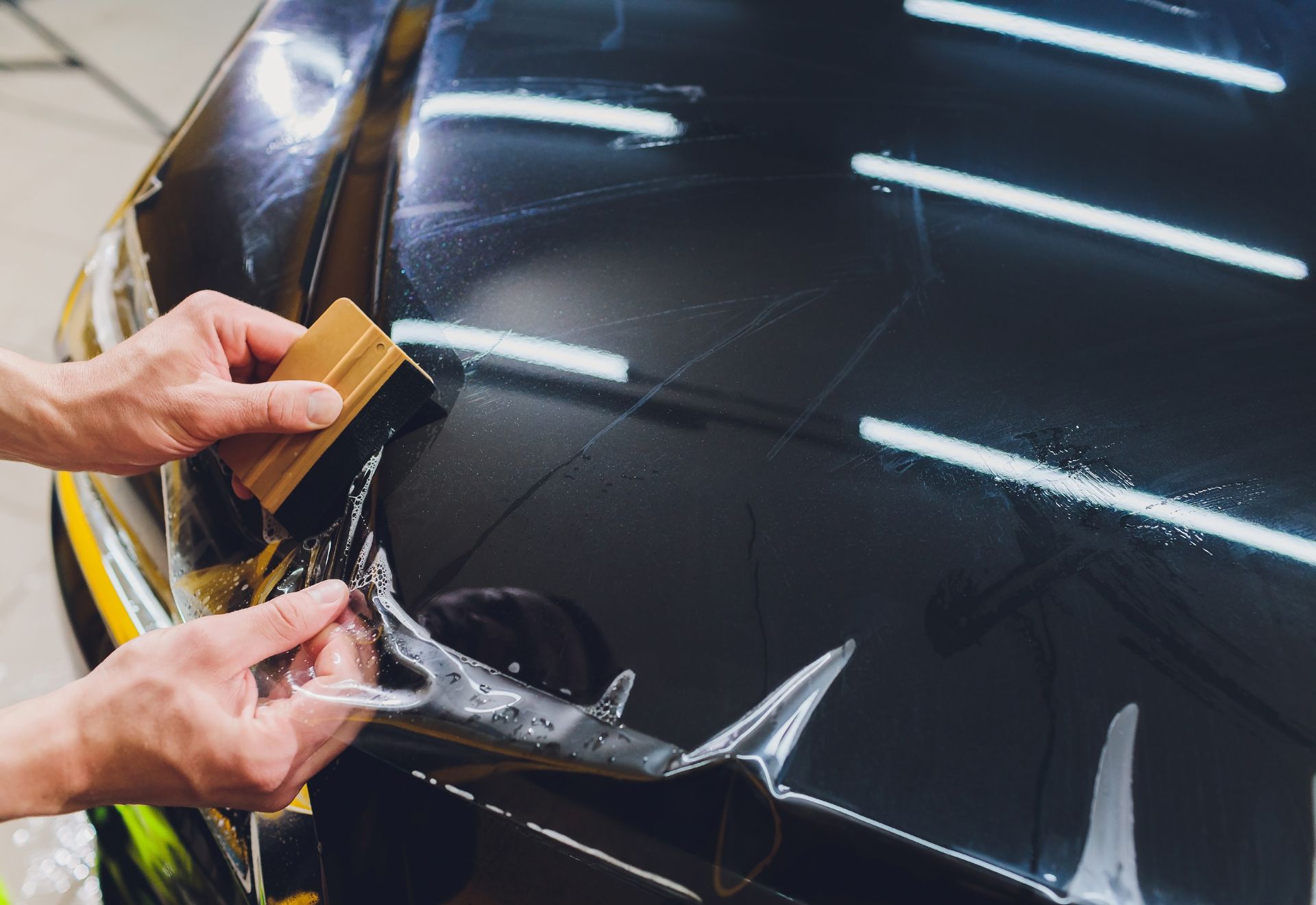
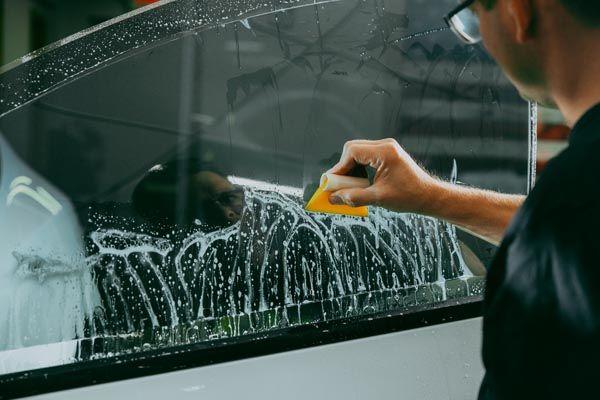
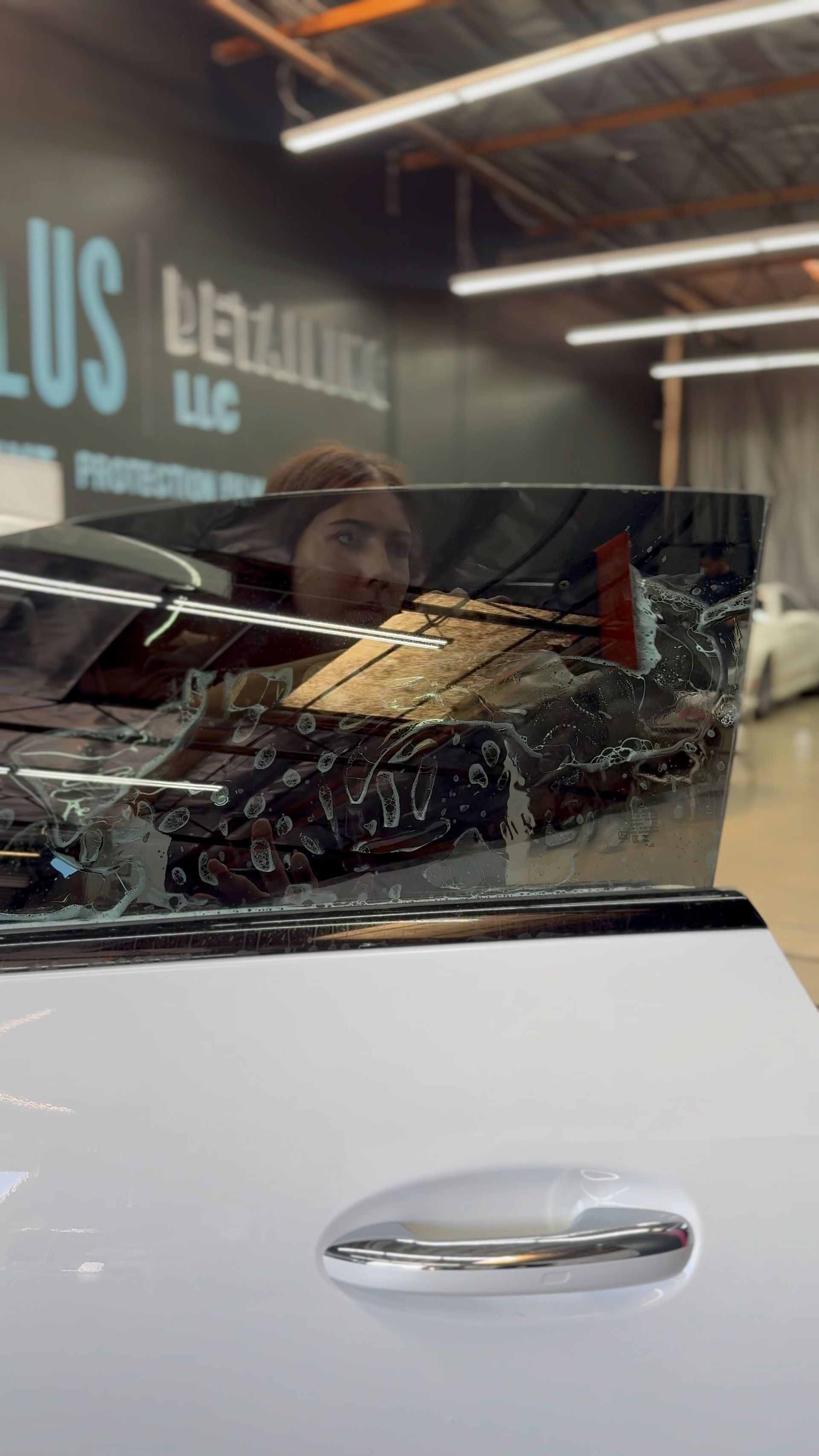
New automotive window tint is not installed dry. During installation, technicians apply a slip solution between the glass and film, allowing the tint to be positioned precisely before being securely applied. While most of the solution is removed during installation, a small amount of moisture can remain underneath the film.
This trapped moisture can create:
- A cloudy or milky appearance
- Small water pockets
- Light streaking
- Slight haziness when viewing through the glass
As the window tint cures, the remaining moisture slowly evaporates and the adhesive fully bonds with the glass. Warm temperatures and direct sunlight typically speed up this process, while cooler weather, shade, and higher humidity can extend curing time.
At Platinum Plus Detailing, all KAVACA window tint films are installed on the inside of your vehicle’s glass. This helps protect the film from outside contaminants, road debris, and environmental exposure. If your tint appears hazy, it is also important to check whether the issue is actually on the inside film surface or caused by exterior contamination such as dirt, wax residue, or other buildup.
During the curing period, avoid rolling your windows down unless your installer confirms it is safe. Moving the glass too soon can disturb the adhesive bond and potentially lift the edge of the tint.
Normal Window Tint Curing vs. Actual Problems
Not all cloudy window tint means something is wrong. Many concerns after installation are simply part of the normal curing process.
Signs Your Window Tint Is Still Curing
- Overall haziness that gradually improves each day
- Small moisture pockets near the edges
- Slight cloudiness that becomes clearer in sunlight
- Temporary streaking at certain viewing angles
Signs Your Window Tint May Need Inspection
- Haze that remains unchanged after several weeks
- Growing bubbles or spreading imperfections
- Dirt, dust, or hair trapped underneath the film
- Tint edges lifting or peeling
- Purple or brown discoloration
If the appearance continues getting worse instead of improving, professional evaluation is recommended.
What Causes Window Tint Haze That Does Not Go Away?
Low-Quality Window Tint Film
One of the most common causes of permanent haze is older or lower-quality tint film. Traditional dyed films can break down over time due to constant UV exposure, causing fading, discoloration, and a cloudy appearance.
Premium carbon and ceramic window tint films are designed differently. Platinum Plus Detailing uses KAVACA Carbon and Ceramic IR window tint films, which are engineered for color stability, UV protection, and improved heat rejection. Ceramic IR films are designed to reject significant infrared heat while maintaining signal compatibility with modern vehicle electronics.
Contamination Under the Film
Anything trapped between the glass and tint film remains visible after installation. Dust particles, leftover adhesive from old tint, glass cleaner residue, and other contaminants can create permanent spots or cloudy areas.
This is why proper preparation is critical. Removing old tint and thoroughly cleaning the glass before installation helps prevent contamination-related issues.
Poor Installation Conditions
Window tint installation requires a clean and controlled environment. Dust, temperature changes, and humidity can affect how well the film bonds and cures.
Professional installation in a controlled indoor environment helps reduce contamination risks and improves the overall appearance and longevity of the tint.
Improper Application Technique
Proper installation requires careful positioning, heat shrinking, and consistent squeegee pressure to remove installation solution. Poor technique can leave excessive moisture behind or create visible distortion, especially on curved rear windows.
Using the Wrong Cleaning Products
Household glass cleaners may contain ammonia, which can damage window tint adhesive and film surfaces over time. This can lead to fading, streaking, cloudiness, and premature tint failure.
Avoid:
- Ammonia-based cleaners
- Paper towels
- Abrasive pads
- Razor blades or scrapers
Instead, use ammonia-free cleaners and soft microfiber towels designed for automotive surfaces.
Window Tint Haze and Distortion Are Different Problems
Although people often use the terms interchangeably, haze and distortion describe different issues.
Haze refers to cloudiness caused by light scattering through the glass. It may result from moisture during curing, contamination, film breakdown, or chemical damage.
Distortion refers to optical irregularities where objects appear wavy, stretched, or unclear when viewed through the glass. This can happen because of poor film quality, improper installation, or the natural curvature of certain automotive glass.
Rear windshields are especially sensitive because their curved design can make distortion more noticeable. If you experience persistent distortion after the curing period, professional inspection can determine whether the issue is related to the film or installation.
How to Clean Tinted Windows Without Causing Damage
Once your tint has completed the curing process, proper cleaning helps maintain its appearance and longevity.
Follow these steps:
- Use an ammonia-free glass cleaner or a mild soap and water solution.
- Clean tinted windows with microfiber towels instead of paper products.
- Spray the cleaner onto the towel rather than directly onto the glass.
- Wipe gently and avoid catching the edges of the film.
- Never use abrasive tools, razor blades, or harsh chemicals.
Proper maintenance helps protect your window tint while keeping your vehicle’s interior looking clean and well maintained.
Professional Window Tinting in Costa Mesa, CA
If your window tint looks cloudy, streaky, or distorted, Platinum Plus Detailing can help determine whether it is normal curing or a sign of a larger issue.
Our Costa Mesa team installs Ceramic Pro KAVACA window tint films designed to improve comfort, reduce UV exposure, and help protect your vehicle’s interior from heat and sun damage. We offer multiple tint options, including Carbon, Ceramic IR, and Ultimate IR packages to match different performance needs and preferences.
For drivers looking for complete vehicle protection, window tint can also be combined with services like ceramic coating and paint protection film. Ceramic coating helps protect exterior surfaces from contaminants and environmental damage, while paint protection film provides an additional layer of defense against road debris and paint damage.
Need Help With Cloudy or Distorted Window Tint?
If you are unsure whether your tint is still curing or needs professional attention, Platinum Plus Detailing can inspect your vehicle and recommend the right solution.
Serving Costa Mesa and surrounding Orange County communities, our team provides professional automotive protection services backed by years of experience.
Contact Platinum Plus Detailing today to schedule a window tint inspection or request a free quote.
Frequently Asked Questions
How long does window tint stay hazy after installation?
Most new window tint haze disappears within several days as the film cures. Cooler temperatures and shaded parking areas may extend the curing process. If haze does not improve after several weeks, professional inspection is recommended.
Why does my tint look bubbly after installation?
Small bubbles or water pockets are usually caused by installation moisture. They typically disappear as the tint cures. Do not press or puncture them because this can permanently damage the film.
Can hazy window tint be repaired?
It depends on the cause. Curing moisture usually resolves naturally, while contamination, damaged film, or chemical damage typically requires tint removal and replacement.
Why did my old tint turn purple?
Purple tint usually occurs when dyed film breaks down from prolonged UV exposure. Higher-quality carbon and ceramic films are designed to maintain color stability for longer-lasting performance.
Can I use Windex on tinted windows?
Avoid any cleaner containing ammonia. Use ammonia-free automotive glass cleaners and microfiber towels to prevent damage to the tint film.