
Is Your Ceramic Coating Failing or Just Contaminated? How to Tell the Difference
Your ceramic coating looked incredible when you first picked up your vehicle. Water formed tight beads, the paint had a deep gloss, and routine washing became much easier. Months or years later, you may notice water sitting flat on the surface, reduced shine, or a finish that no longer looks as vibrant as it once did.
Before assuming your ceramic coating has failed, it is important to understand that contamination is often the real cause. Iron fallout, road tar, tree sap, hard water minerals, and other environmental contaminants can build up on top of the coating and block its hydrophobic properties. In many cases, professional decontamination can restore the coating’s appearance without requiring a complete reapplication.
At Platinum Plus Detailing in Costa Mesa, CA, we help vehicle owners determine whether their ceramic coating needs maintenance, correction, or replacement. As a Ceramic Pro Elite detailer, our team understands how coatings perform over time and provides professional recommendations based on your vehicle’s condition.
What Your Ceramic Coating Is Actually Doing
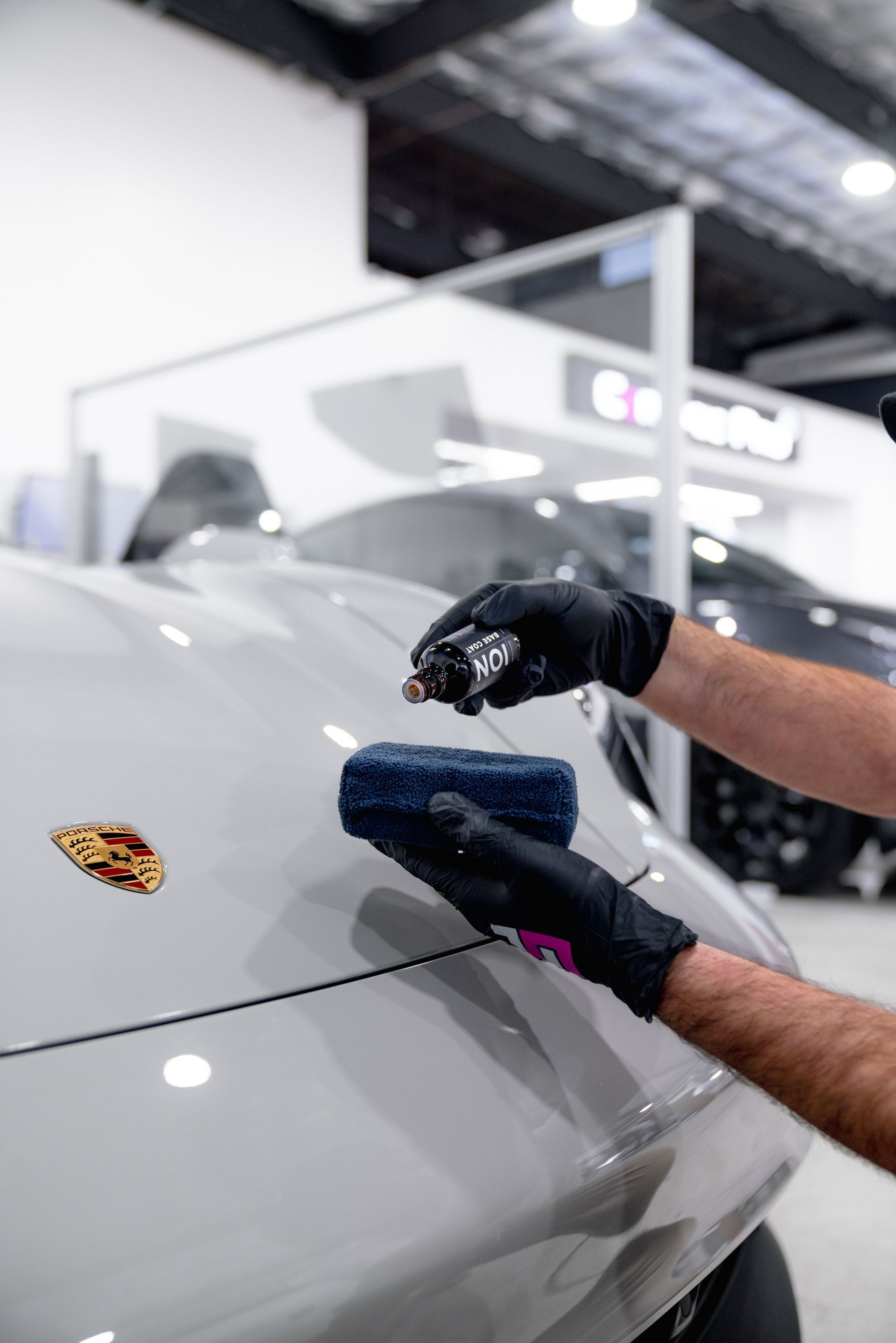
A ceramic coating creates a protective layer that bonds with your vehicle’s clear coat. Unlike traditional waxes and sealants that wear away quickly, a professional ceramic coating provides longer-lasting protection against common contaminants, UV exposure, and environmental damage.
The main benefits vehicle owners notice are improved gloss, easier cleaning, and stronger water repellency. However, a ceramic coating is not a permanent shield that prevents every type of damage.
A ceramic coating can help reduce the impact of:
- UV exposure from the California sun
- Bird droppings and bug splatter
- Tree sap and road tar
- Dirt and environmental contaminants
- Light wash-related marring
However, ceramic coating is not designed to stop rock chips, deep scratches, or physical impacts. For protection against road debris and paint damage, many vehicle owners combine ceramic coating with Paint Protection Film (PPF).
The hydrophobic effect of ceramic coating is also important because it helps water and contaminants move away from the surface. When bonded contamination covers the coating, water may stop beading even though the protective layer underneath is still working.
Signs Your Ceramic Coating May Actually Be Failing
Not every loss of water beading means your ceramic coating has reached the end of its life. True coating failure usually becomes noticeable after proper maintenance and decontamination have been completed.
Some signs of genuine coating failure include:
Gloss Does Not Return After Proper Cleaning
A healthy ceramic coating should restore its shine after washing and removing surface contaminants. If the paint remains dull, hazy, or flat after professional cleaning, the coating may have started wearing down.
Water Beading Does Not Return After Decontamination
Loss of water repellency alone does not confirm coating failure. A vehicle should first receive proper decontamination using products designed to remove iron fallout, tar, and mineral buildup. If the surface still does not repel water afterward, further inspection may be needed.
Increased Swirl Marks and Surface Defects
Ceramic coatings provide a sacrificial protective layer that helps reduce exposure to minor wash-related marks. If swirl marks begin appearing more frequently despite proper maintenance, the coating may be wearing unevenly.
Patchy or Peeling Areas
Visible streaking, peeling, or uneven sections may indicate improper preparation during installation or coating breakdown. These areas typically require professional evaluation to determine whether correction or reapplication is necessary.
Why Ceramic Coatings Lose Their Hydrophobic Properties
Many Costa Mesa vehicle owners experience coating issues because of the environment their vehicles encounter every day.
Common contaminants include:
Iron Fallout
Brake dust and industrial particles can embed into the surface and reduce water repellency. These particles are often invisible until a professional iron remover breaks them down.
Road Tar
Tar commonly collects around lower doors, rocker panels, and wheel areas. Because it does not wash away easily, it can make a healthy coating appear damaged.
Tree Sap and Bird Droppings
These contaminants contain compounds that can bond to the surface and create staining if they are left untreated for extended periods.
Hard Water Minerals
Hard water spots are common in Southern California. Sprinklers, washing with untreated water, and water drying on hot paint can leave mineral deposits that block the coating’s hydrophobic behavior.
Coastal Salt Exposure
Vehicles near areas such as Newport Beach, Huntington Beach, and Laguna Beach may experience airborne salt exposure. Regular washing helps remove these contaminants before they accumulate.
How to Tell If Your Ceramic Coating Is Only Contaminated
Before replacing a ceramic coating, consider these simple checks:
Check Where Water Beading Has Changed
If certain areas such as lower doors or rocker panels stop beading while other sections still perform well, contamination is often the cause. Lower areas collect more road debris, tar, and brake dust.
Feel the Surface Texture
A rough or gritty surface usually indicates bonded contamination. A smooth surface with poor water behavior may point toward mineral deposits or residue buildup.
Consider Professional Decontamination
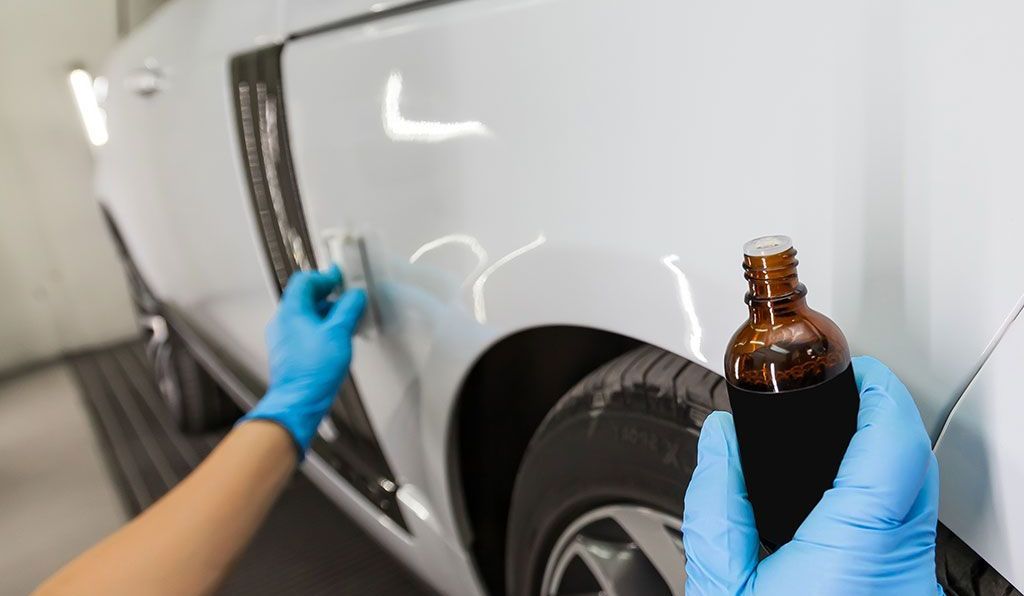
A proper ceramic coating maintenance process includes washing, iron removal, tar removal, and additional treatment when needed. This process can often restore the coating’s appearance without removing the protection layer.
Proper Ceramic Coating Maintenance Tips
Ceramic coating requires less maintenance than traditional protection products, but it still needs proper care.
To maintain your coating:
- Wash your vehicle regularly using a pH-neutral automotive shampoo.
- Avoid automatic brush car washes that can create swirl marks.
- Use clean microfiber towels and proper washing techniques.
- Remove bird droppings, sap, and other contaminants quickly.
- Schedule professional decontamination when needed.
Routine maintenance helps preserve the coating’s gloss, water repellency, and protective performance.
When Should Ceramic Coating Be Repaired or Replaced?
If your ceramic coating has been properly washed, professionally decontaminated, and still does not perform as expected, it may require additional attention.
A professional inspection can determine whether the coating can be restored through correction or whether a complete removal and reapplication is necessary. Attempting aggressive polishing or chemical treatments without proper knowledge may damage the coating or affect warranty coverage.
At Platinum Plus Detailing, we evaluate your vehicle’s condition before recommending any service. Our goal is to provide the right solution, whether that means maintenance, correction, or a new ceramic coating installation.
Get Professional Ceramic Coating Inspection in Costa Mesa, CA
Before paying for a complete ceramic coating replacement, let the experts at Platinum Plus Detailing inspect your vehicle. Our team has been serving Costa Mesa and surrounding Orange County communities with professional automotive protection services since 2006.
Whether your vehicle needs ceramic coating maintenance, Paint Protection Film, or Window Tinting, we can help protect your investment with professional solutions designed for your driving needs.
Contact Platinum Plus Detailing today at (714) 614-1691 to schedule an inspection and learn what your ceramic coating actually needs.
Frequently Asked Questions
How long does ceramic coating last?
The lifespan of a ceramic coating depends on the product, installation quality, and maintenance routine. Regular washing, proper care, and professional inspections help maximize coating performance.
Why is my ceramic coating no longer beading water?
Reduced water beading is often caused by contamination sitting on top of the coating. Professional decontamination can determine whether the coating is still functioning properly.
Can ceramic coating be restored?
In many cases, yes. If contamination is blocking the surface, professional cleaning and decontamination can restore gloss and hydrophobic properties.
Is ceramic coating the same as Paint Protection Film?
No. Ceramic coating improves gloss, chemical resistance, and water repellency, while Paint Protection Film is designed to provide stronger protection against rock chips and physical impacts.