Can You Fix a Bad Ceramic Coating Without Removing It?
August 31, 2026

Ceramic coatings are one of the best ways to protect your vehicle's paint and maintain a glossy finish. However, not every application turns out perfectly. High spots, streaks, cloudiness, and uneven curing can leave vehicle owners wondering whether the coating can be fixed without starting over.


In many cases, minor ceramic coating defects can be corrected through polishing, leveling, or spot repairs. More severe issues, such as peeling or widespread bonding failure, often require removing the coating and reapplying it correctly.


For drivers in Costa Mesa, CA, where vehicles are exposed to intense UV rays, coastal moisture, and environmental contaminants, maintaining a properly installed ceramic coating is essential for long-term paint protection.

Quick Answer: Can a Bad Ceramic Coating Be Fixed?

The answer depends on the severity of the problem.

  • Issues that can often be repaired:
    • Minor high spots
    • Light streaking
    • Small areas of cloudiness
    • Surface contamination
  • Issues that may require full removal:
    • Peeling coating
    • Poor bonding to the paint surface
    • Severe haze across multiple panels
    • Extensive application errors

A professional inspection can help determine whether correction or complete removal is the best solution.

How to Evaluate Ceramic Coating Damage

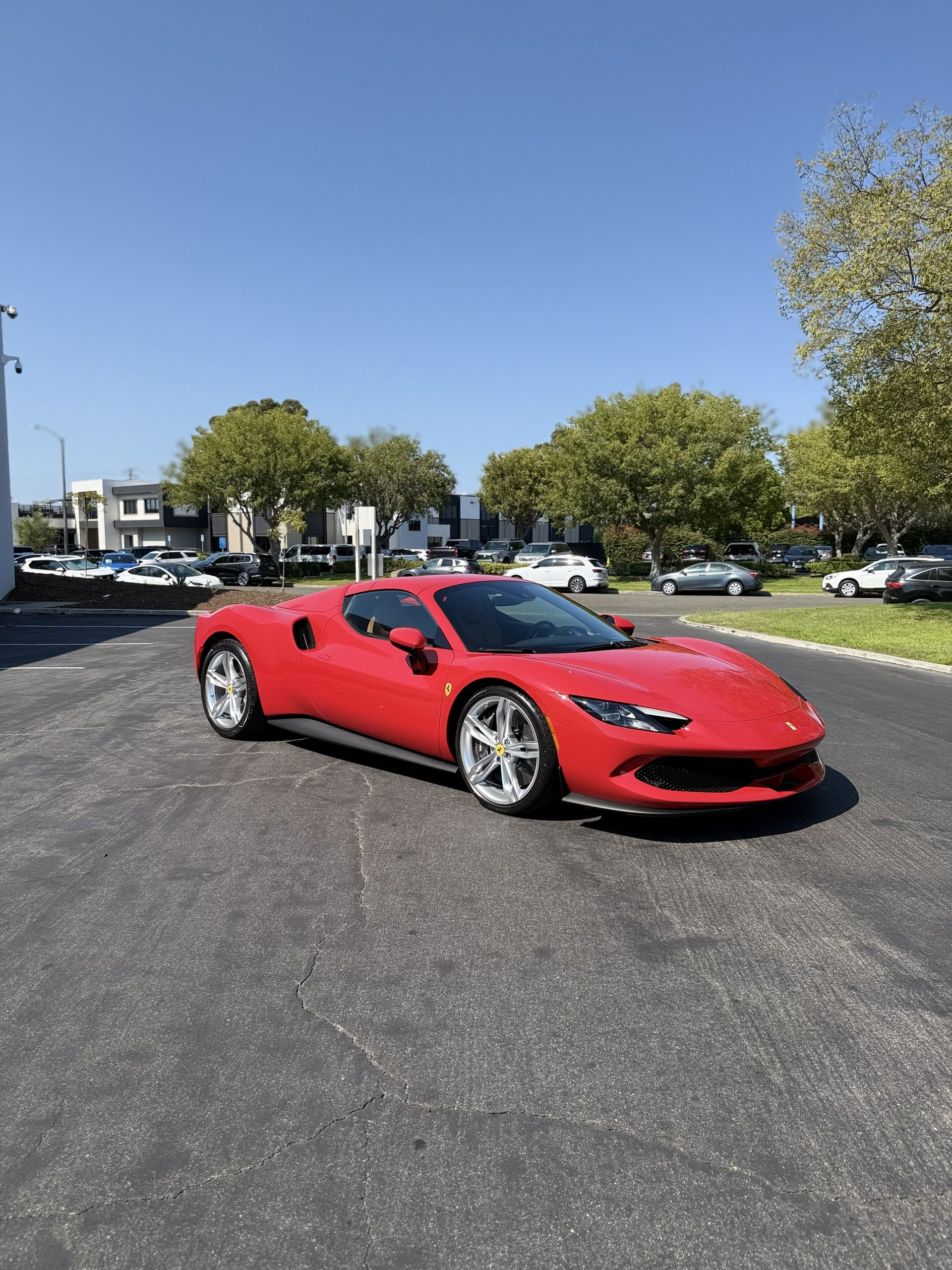
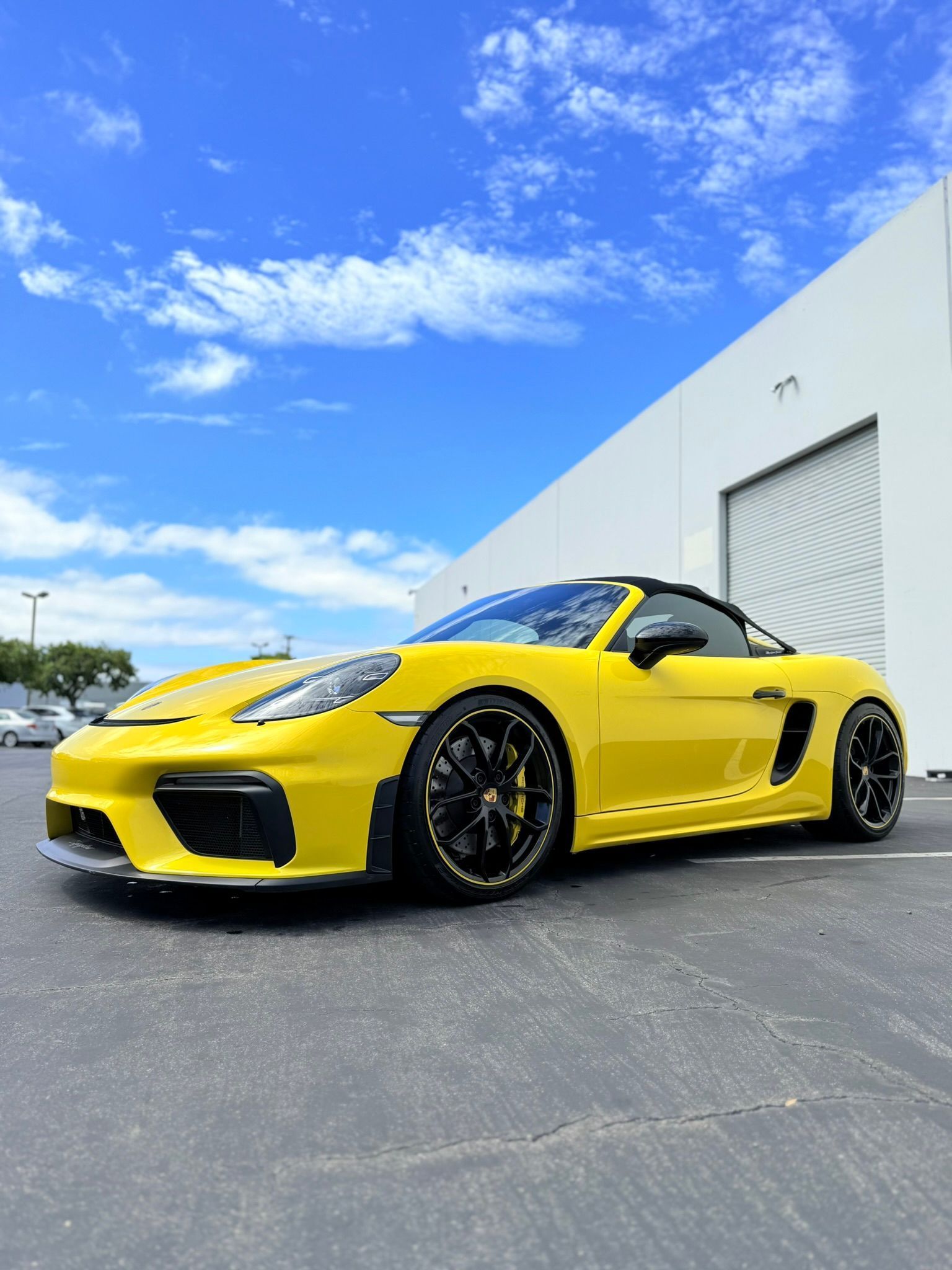
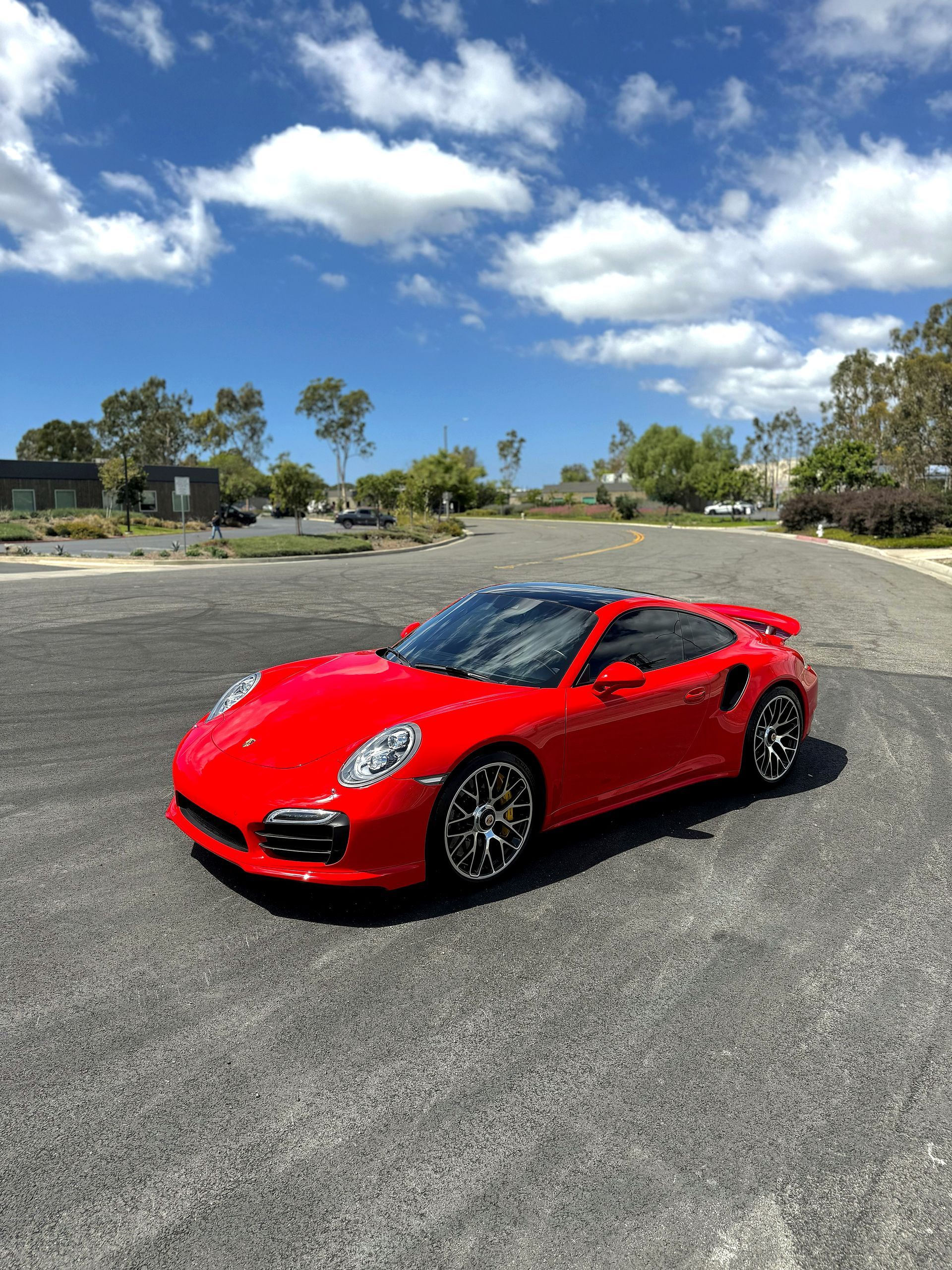
Red sports car parked on a paved lot under a clear blue sky with trees and other cars in the background

Before deciding on a repair strategy, it's important to assess the condition of the coating.


Inspect the vehicle under natural daylight or a soft diffused light source. This helps reveal imperfections that may not be visible under harsh lighting. Look for:


  • Uneven gloss levels
  • Raised or thick spots
  • Hazy areas
  • Streaking
  • Surface contamination


You can also lightly run your hand across the surface. A properly cured ceramic coating should feel smooth and slick. Rough, sticky, or gritty areas may indicate a problem that needs correction.


Documenting the location and severity of defects will help determine whether spot repairs are possible or if a larger correction process is necessary.

Common Ceramic Coating Problems

Understanding the most common issues can help you identify the right solution.

1. High SpotS

High spots occur when excess coating is left on the surface and not properly leveled during installation. These areas often appear darker, shinier, or thicker than the surrounding paint.

2. Streaking

Improper wiping techniques or inconsistent leveling can leave visible streaks after the coating cures. These defects are often most noticeable in direct sunlight.

3. Cloudiness or Haze

Cloudiness usually results from over-application, poor curing conditions, or excessive product buildup. This issue can reduce the deep gloss ceramic coatings are known for.

4. Peeling

Peeling is often caused by poor surface preparation before installation. Contaminants, waxes, or oils can prevent proper bonding and eventually lead to coating failure.

Can Polishing Fix a Bad Ceramic Coating?

In many cases, yes.


Light polishing is one of the most effective ways to correct minor ceramic coating defects. The process can remove high spots, reduce haze, and improve the overall appearance of the finish.


Before polishing:


  1. Thoroughly wash and decontaminate the vehicle.
  2. Use a paint-safe polishing pad and quality polish.
  3. Test a small area first.
  4. Work slowly and inspect results frequently.


Keep in mind that excessive polishing can remove part or all of the coating. If the coating is heavily damaged, polishing alone may not be enough.

DIY vs Professional Correction

Issue DIY Friendly Professional Recommended
Minor streaks Yes Optional
Small high spots Sometimes Recommended
Cloudiness Limited success Yes
Peeling No Yes
Widespread defects No Yes

For valuable vehicles or extensive coating issues, professional correction typically delivers the safest and most consistent results.

When Reapplication Is Necessary

If the coating has failed, reapplication may be the only reliable solution.


The process typically includes:


  1. Removing the defective coating through polishing or paint correction.
  2. Cleaning the surface with an isopropyl alcohol solution or panel wipe.
  3. Ensuring the paint is completely free of contaminants.
  4. Applying a fresh ceramic coating in thin, even layers.
  5. Allowing proper curing time according to manufacturer specifications.


Applying a new coating over a failed or contaminated surface can lead to additional problems, so preparation is critical.


At Platinum Plus Detailing, we often see ceramic coating issues caused by rushed installations or improper prep work. Taking the time to properly correct and prepare the paint ensures the new coating delivers the protection and appearance vehicle owners expect.

Ceramic Coating vs Paint Protection Film

Many vehicle owners ask whether Paint Protection Film (PPF) offers better protection than ceramic coating.


The truth is that both products serve different purposes.

  • Ceramic Coating Benefits:
    • Enhanced gloss
    • Hydrophobic protection
    • Easier cleaning
    • UV resistance
  • Paint Protection Film Benefits:
    • Protection from rock chips
    • Resistance to scratches
    • Impact protection
    • Self-healing properties on many premium films

Many Costa Mesa drivers choose to combine ceramic coating with Paint Protection Film for maximum protection. PPF helps shield vulnerable areas from physical damage, while ceramic coating enhances appearance and simplifies maintenance.

How Window Tinting Complements Ceramic Coating

Protecting your vehicle's exterior is only part of the equation.


Professional window tinting helps reduce UV exposure inside the vehicle, protecting upholstery, dashboards, and interior surfaces from fading. Combined with ceramic coating, window tinting creates a more complete vehicle protection package.


This combination is especially valuable in Southern California, where vehicles experience significant sun exposure year-round.

Post-Repair Maintenance Tips

Once your ceramic coating has been repaired or replaced, proper maintenance is essential.

1. Wash Regularly

Use a pH-neutral car shampoo and follow safe hand-washing techniques to prevent introducing scratches.

2. Avoid Harsh Chemicals

Strong cleaners, abrasive compounds, and aggressive detergents can shorten the lifespan of the coating.

3. Use Ceramic Maintenance Products

Ceramic maintenance sprays and SiO2 boosters can help restore hydrophobic performance and enhance gloss between professional services.

4. Monitor Performance

Watch how water behaves on the surface. If water no longer beads effectively, it may be time for maintenance or inspection.

5. Park in Covered Areas

Whenever possible, park in a garage or shaded area to reduce long-term UV exposure.

Frequently Asked Questions

  • Can ceramic coating high spots be removed?

    Yes. High spots can often be corrected through careful polishing or leveling, especially when identified early.

  • Can ceramic coating be reapplied over an existing coating?

    In some cases, maintenance products can be applied over an existing coating. If the original coating has failed, removal and proper surface preparation are typically recommended before reapplication.

  • How much does ceramic coating correction cost?

    Costs vary depending on the severity of the issue, the condition of the paint, and the amount of correction required. A professional inspection can provide an accurate estimate.

  • Are there products that can rejuvenate a ceramic coating?

    Yes. Ceramic maintenance sprays and SiO2 boosters can improve gloss, hydrophobic properties, and overall appearance without requiring a full reapplication.

Protect Your Investment with Professional Ceramic Coating Services

A bad ceramic coating does not always mean you have to start from scratch. Minor defects can often be corrected through polishing and targeted repairs, while more serious failures may require complete removal and reapplication.


If you're dealing with high spots, streaks, haze, or coating failure, Platinum Plus Detailing can help determine the most effective solution. Our team provides professional ceramic coating correction, paint protection film installation, window tinting, and vehicle protection services throughout Costa Mesa and Orange County.


Contact Platinum Plus Detailing today to schedule an inspection and restore your vehicle's appearance and protection.

Recent Posts

Yellow sports car parked outside a white building under a blue sky
August 31, 2026
Learn why window tints with the same darkness can differ in color, clarity, heat rejection, and reflectivity. Explore window tinting in Costa Mesa.
White Tesla sedan in a showroom with a “Detailing LLC” sign on the wall
August 31, 2026
Learn how PPF thickness affects appearance, flexibility, installation, and paint protection. Explore professional PPF options with Platinum Plus Detailing.
Blue off-road SUV in a garage with a Platinum Plu logo on the wall
August 31, 2026
Ceramic coating stopped beading? Learn the causes, safe maintenance steps, and when to request professional ceramic coating care in Costa Mesa, CA.
Black SUV parked on a wet city street in front of lit storefront windows
August 31, 2026
Learn if darker tint blocks more heat and how ceramic window tint improves comfort, UV protection, and glare. Call Platinum Plus Detailing today.
Black Mercedes-Benz coupe parked outdoors in a lot, shown from the front-left angle
August 31, 2026
Learn why proper PPF installation matters for lasting paint protection, clean edges, and fewer bubbles. Call Platinum Plus Detailing today.
Red sports car parked on an empty asphalt lot under a bright blue sky
August 31, 2026
Compare ceramic coating, wax, and sealant after 12 months for gloss, durability, and paint protection. Call Platinum Plus Detailing today.